
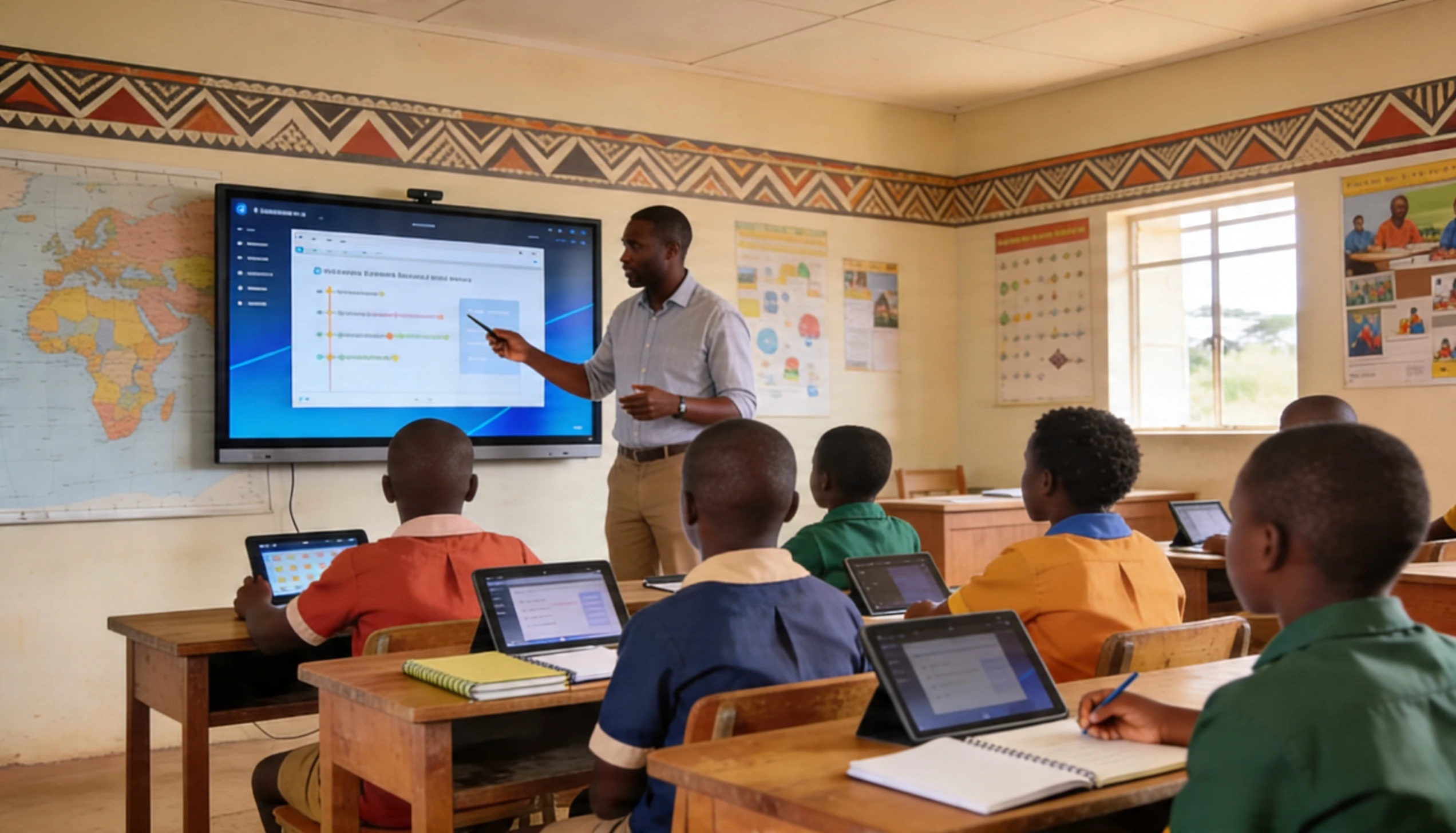
Deliver Digital Learning at Scale
Designed for education systems across Africa, Southeast Asia, the Middle East, and Latin America, this approach enables governments, NGOs, and schools to deliver structured learning without reliance on internet connectivity
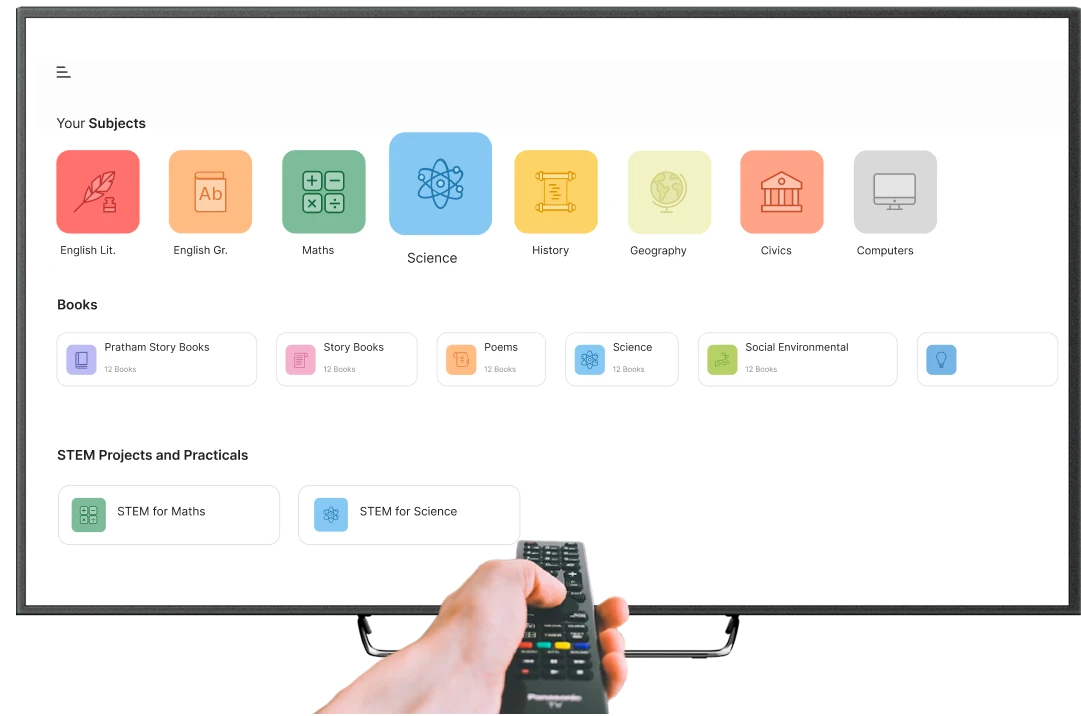

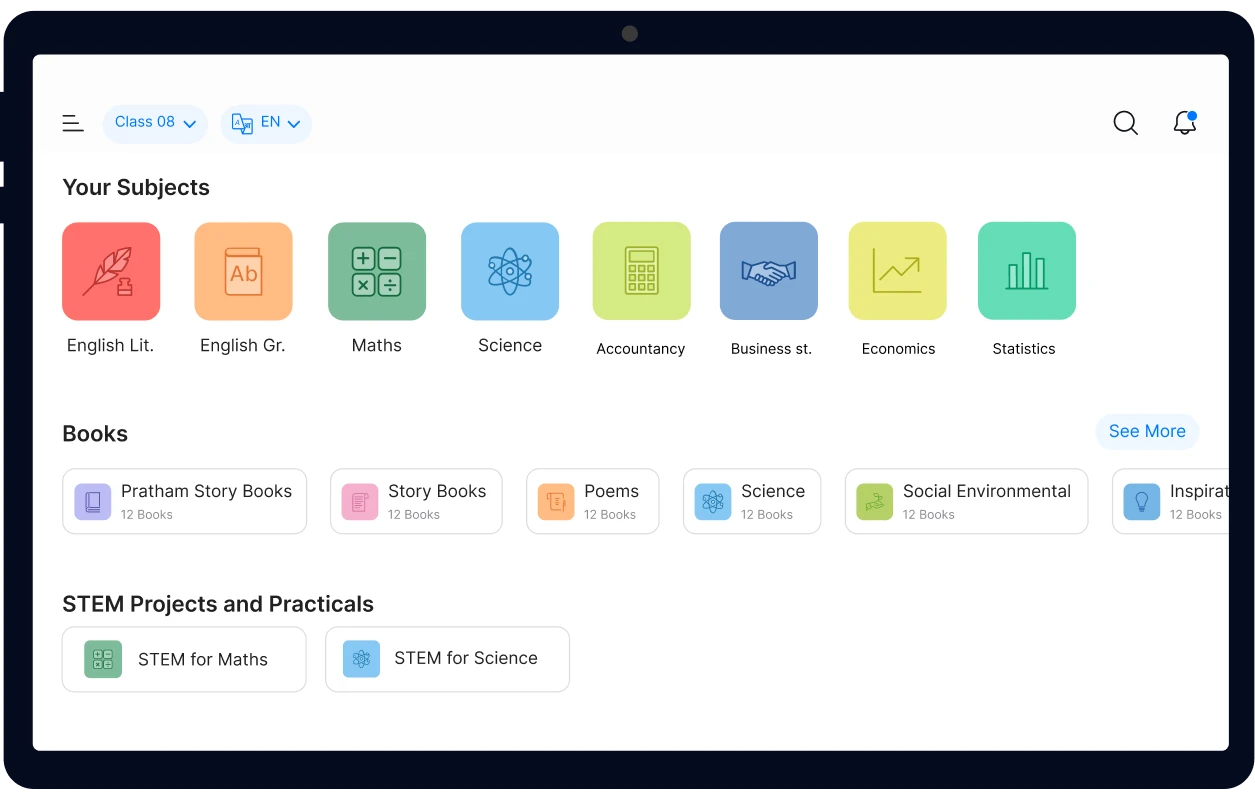

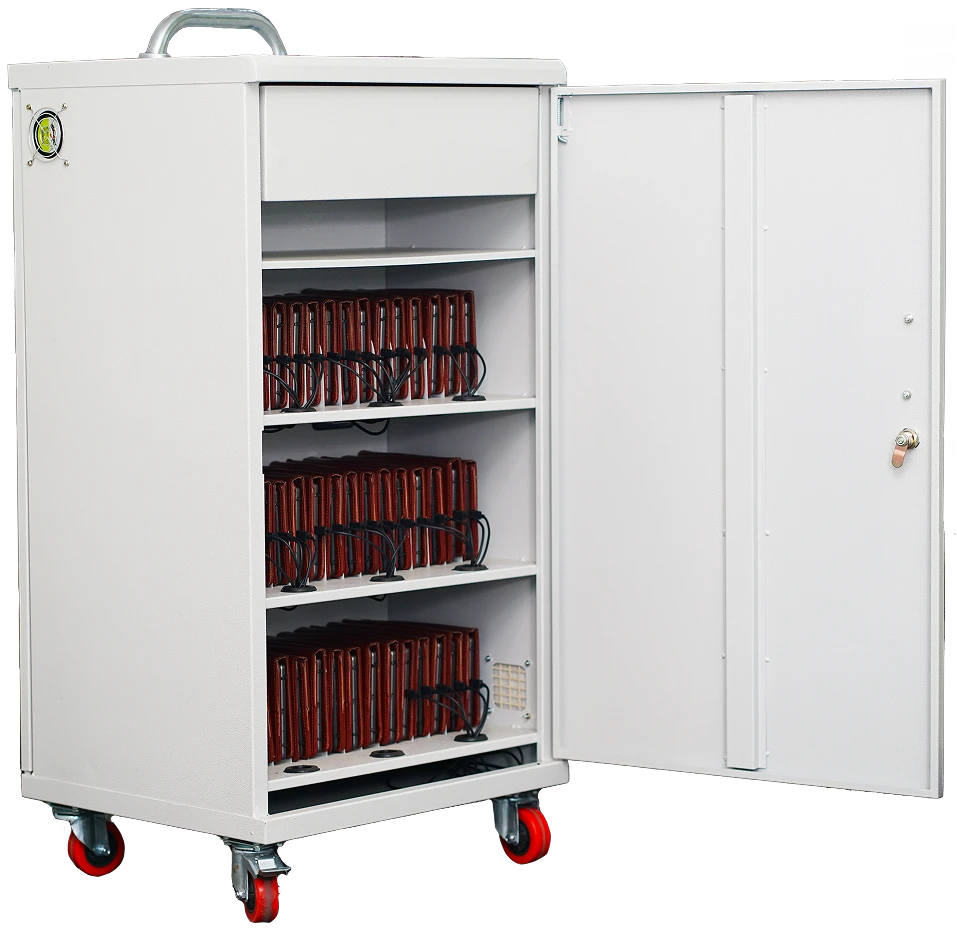

By combining offline-first technology with curriculum-aligned content, personalized adaptive learning (PAL), multi-device access, and built-in monitoring, it ensures consistent, scalable learning even in infrastructure-constrained environments
Helping Achieve UN SDGs

Choose your region to explore tailored solutions
Digital Learning Solutions for School Education
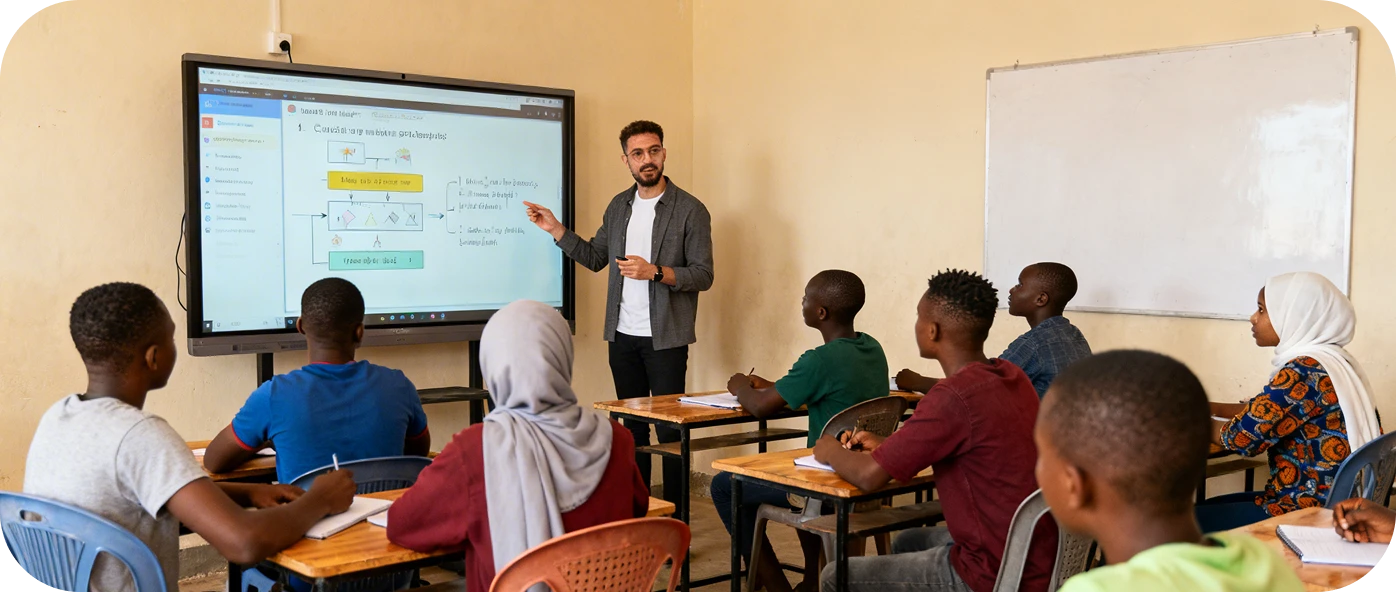
Smart Classes
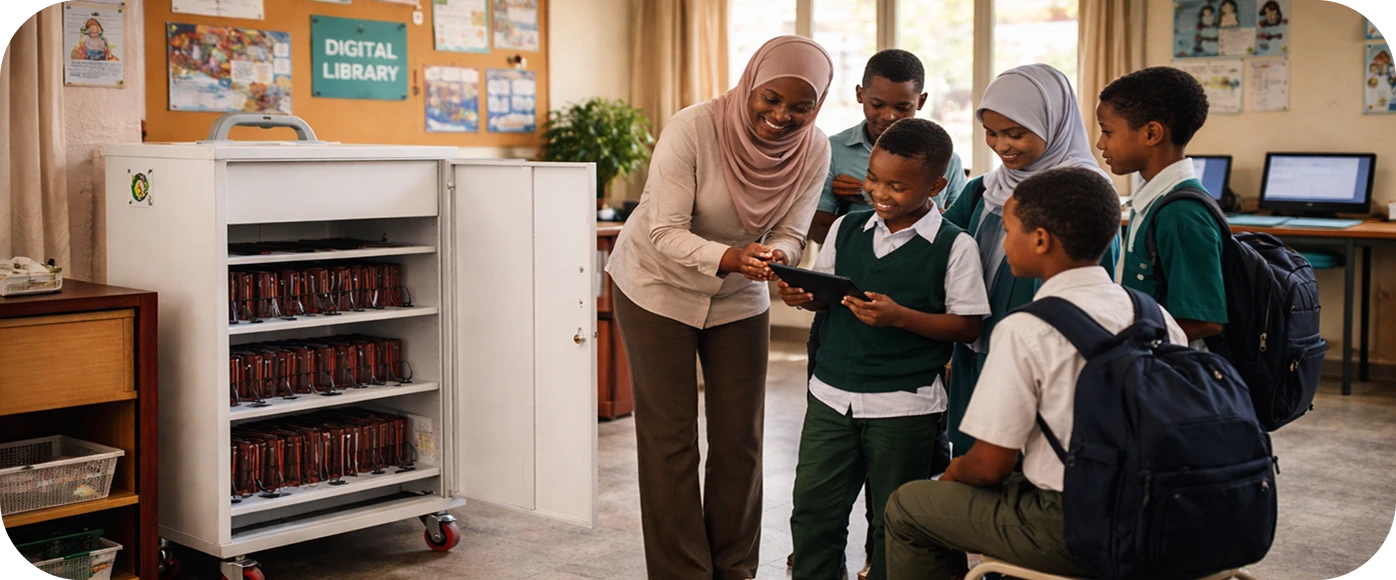
Digital Libraries
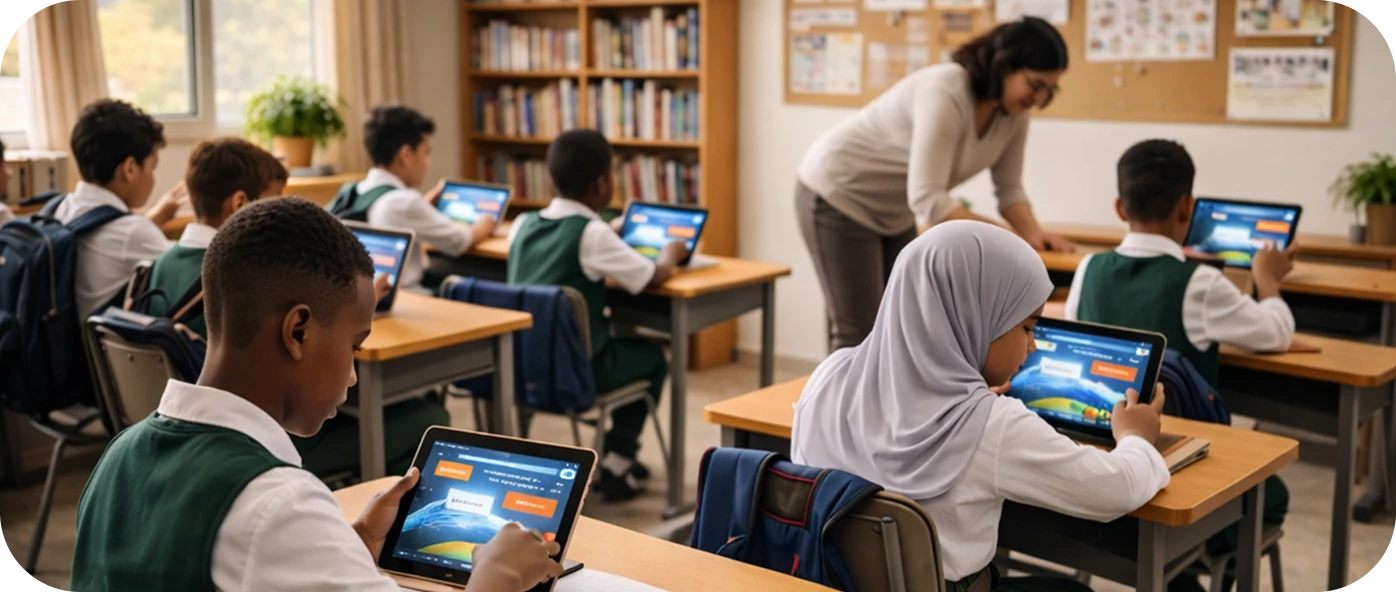
PAL
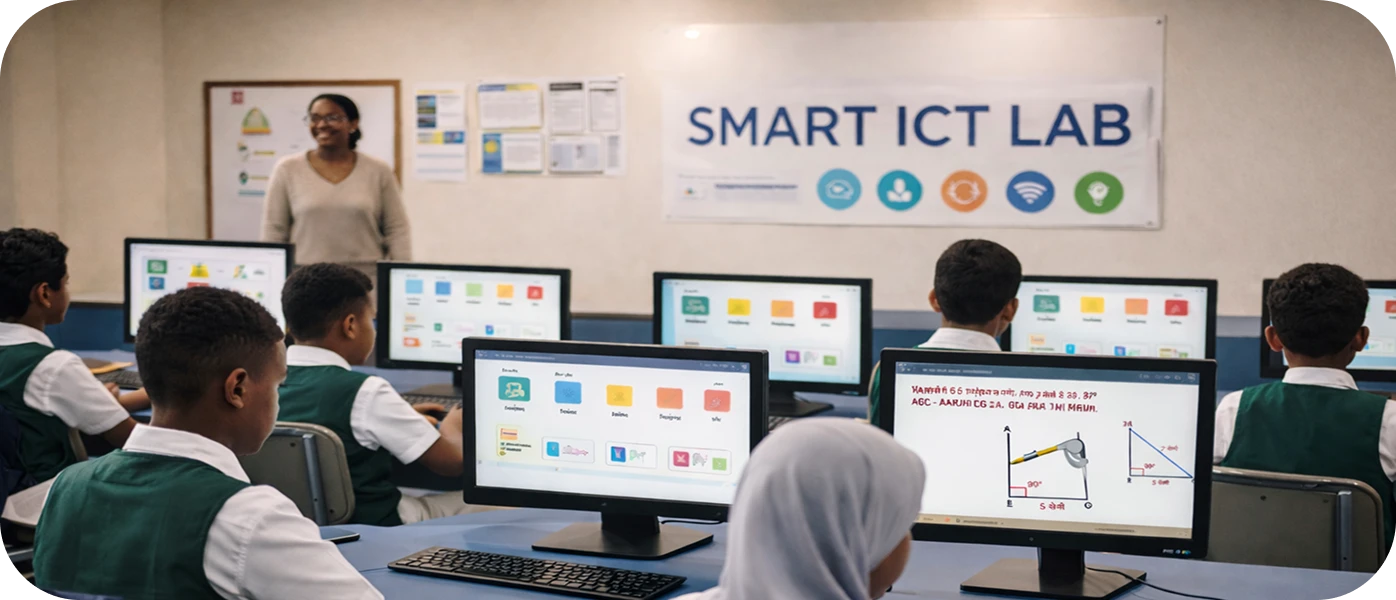
Smart ICT Lab
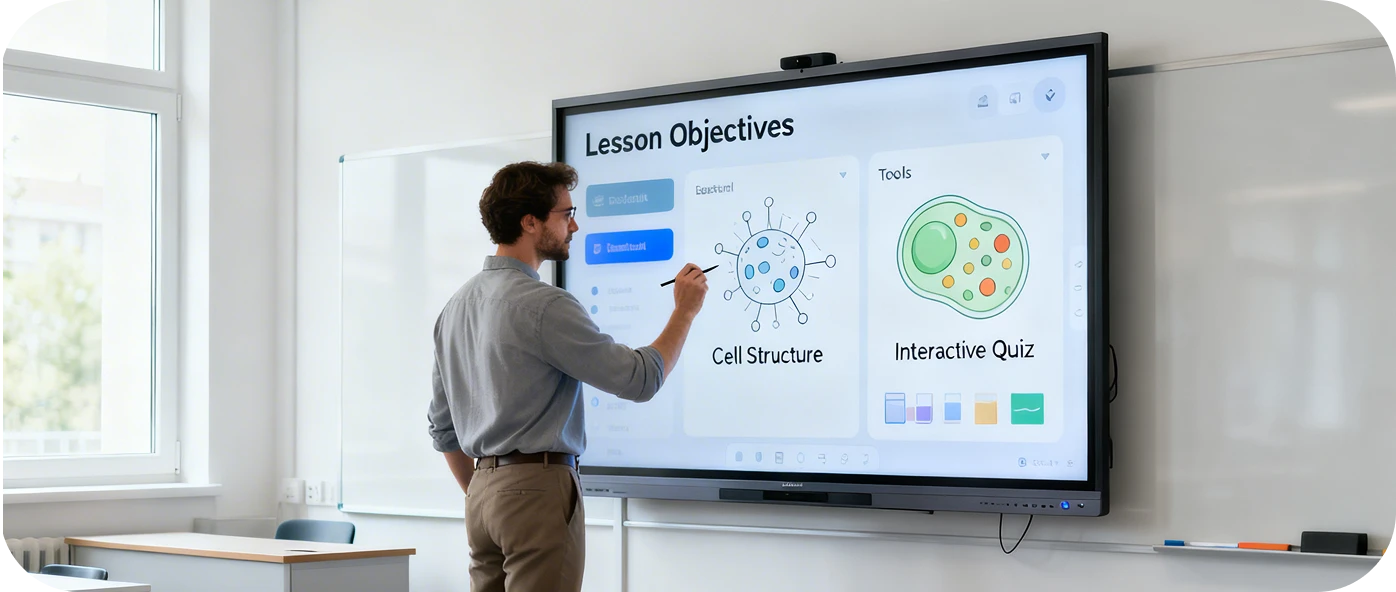
Content Creation
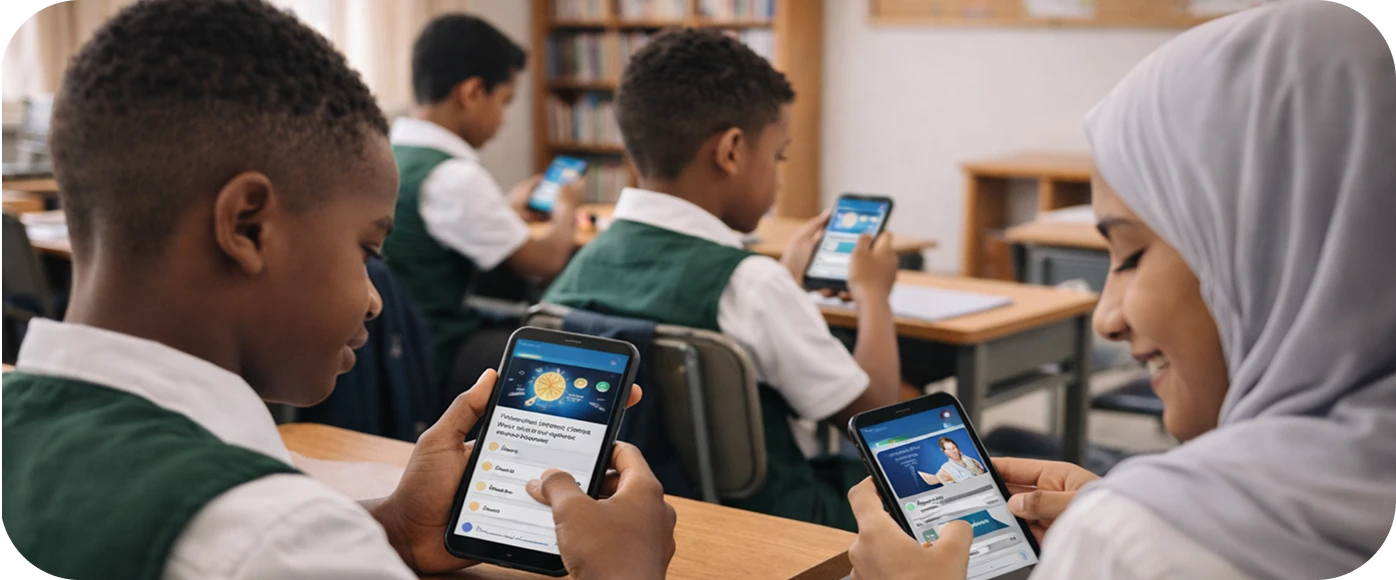
Learning App
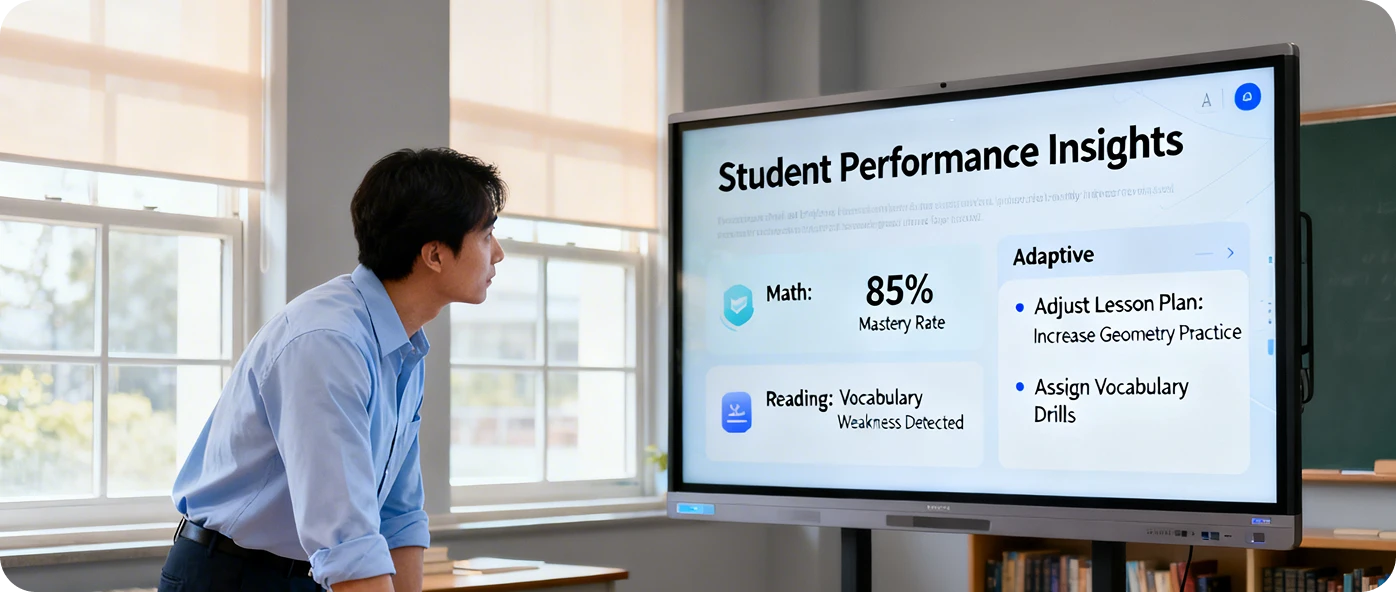
AI Powered Lesson Planning &
Assessments
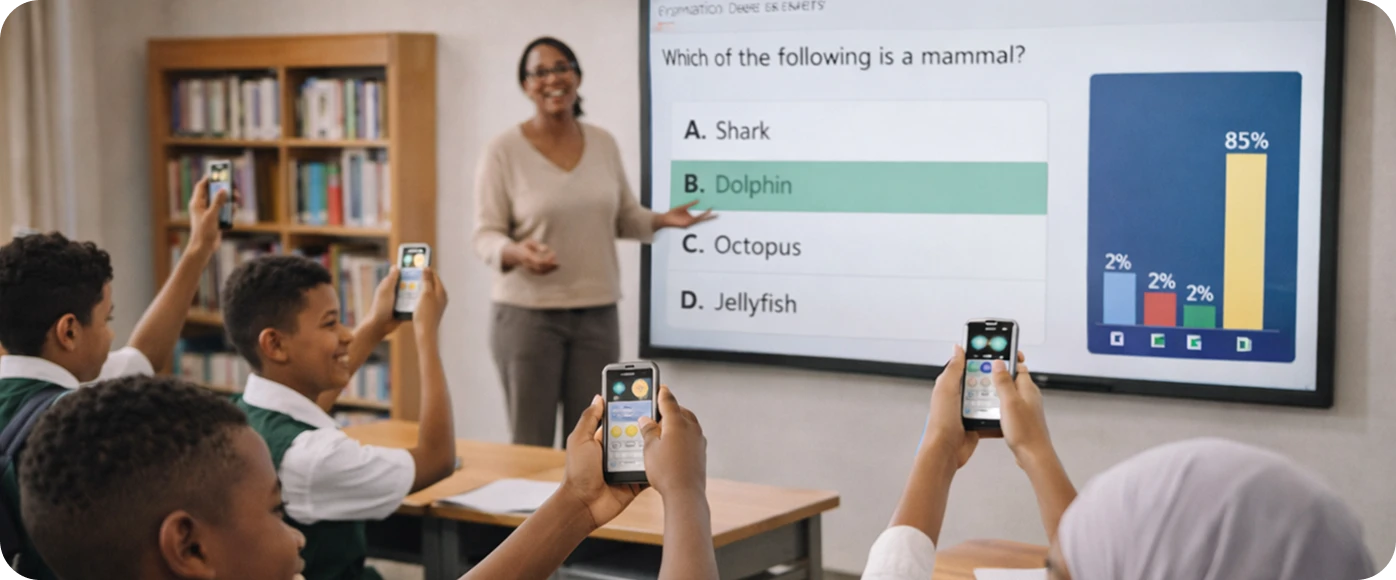
Formative assessments using
Clickers
Reporting & Monitoring
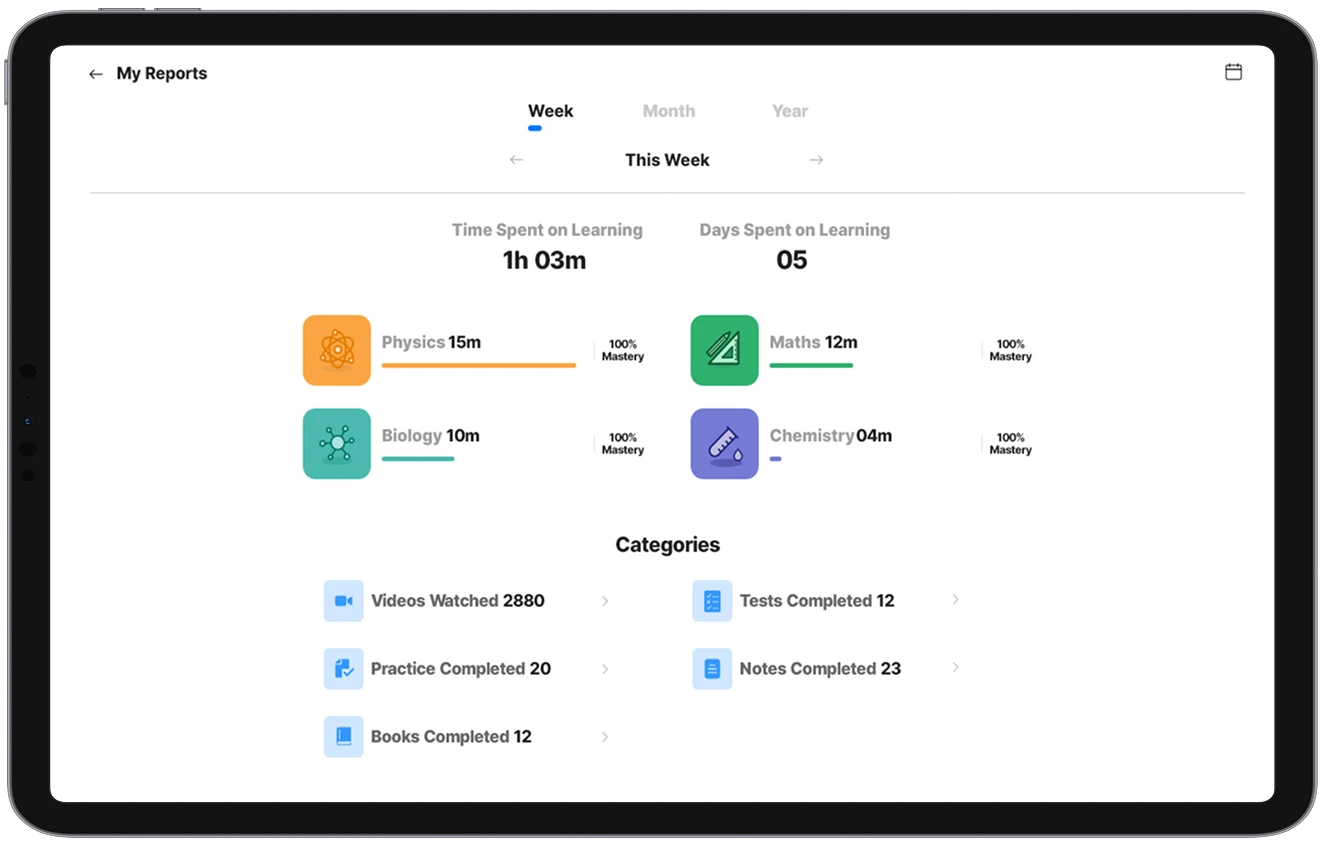
All usage reports are recorded, saved offline on each device and they auto sync to a cloud based central reporting dashboards whenever the devices connect to the internet. This facilitates anytime, anywhere monitoring by the members of the monitoring committee, government officers, CSR team, NGO coordinators and any other stakeholder.

The challenge we're solving
Across Africa, MENA, LATAM & Southeast Asia, hundreds of millions of learners face the same four barriers every day
Limited or unreliable internet Device constraints
Learning loss due to disruptions
Lack of localized content
Monitoring challenges
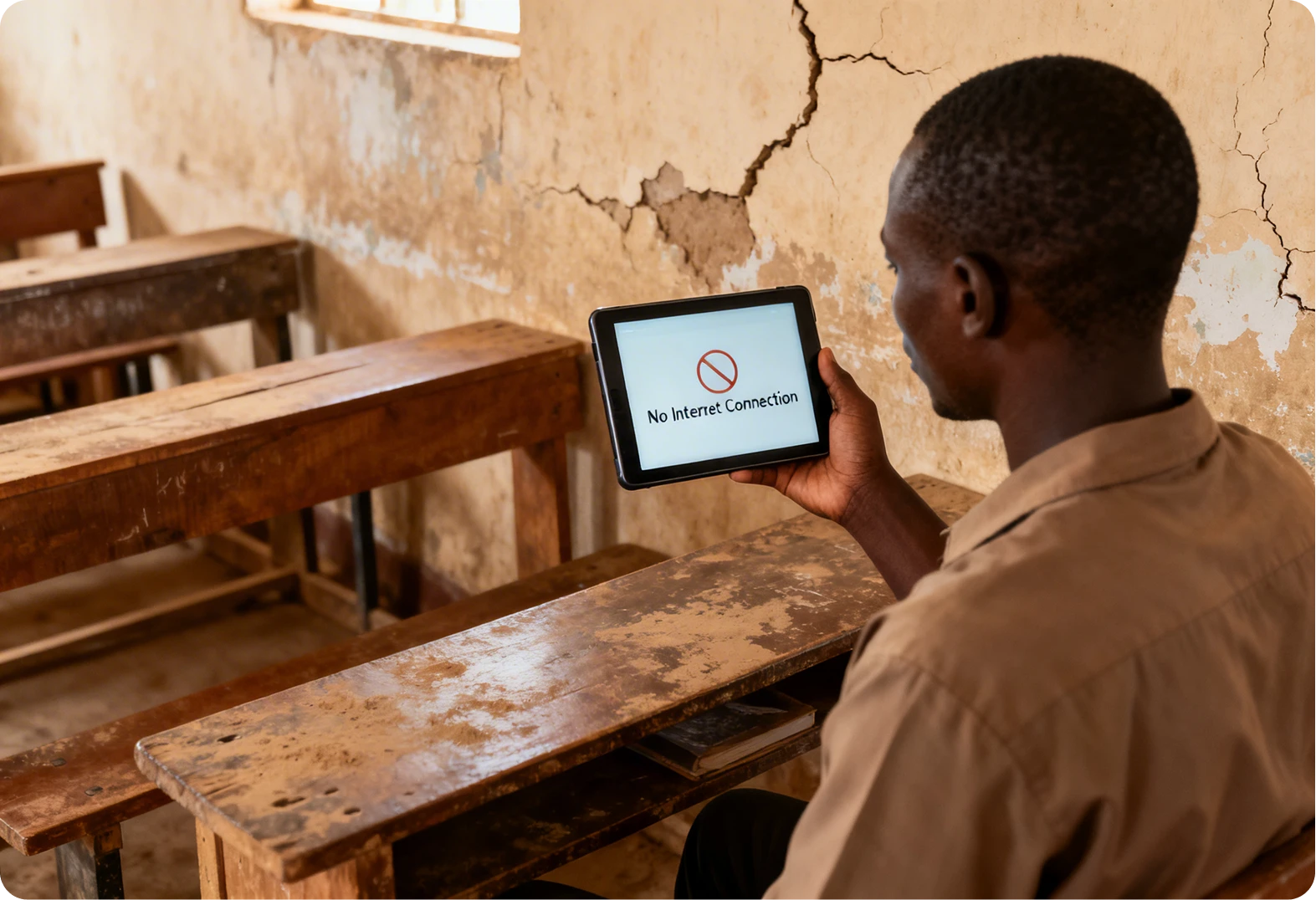
89% of schools in Sub-Saharan Africa lack internet — UNESCO 2023
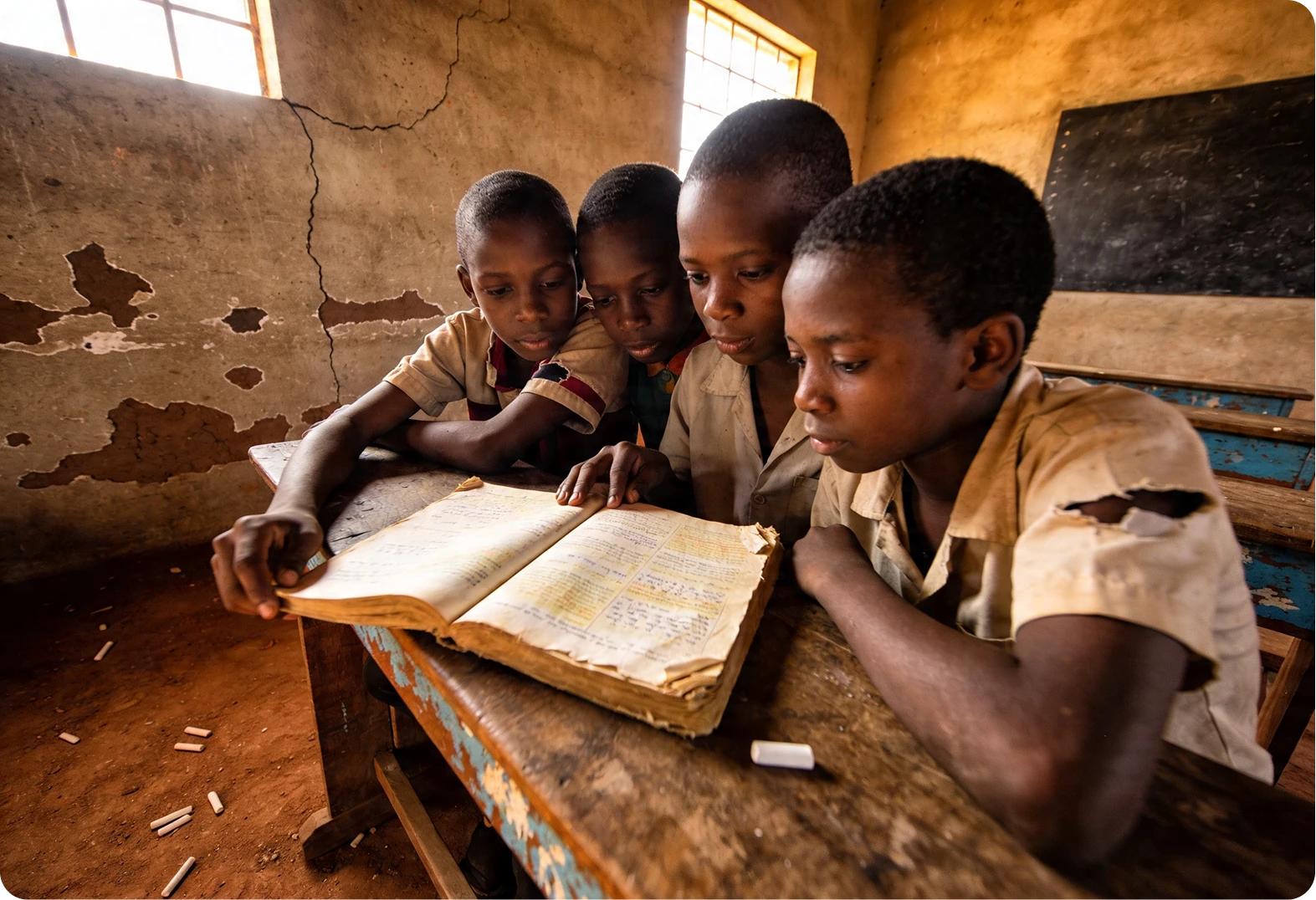
1 textbook shared by 4+ students in many regions — UNICEF
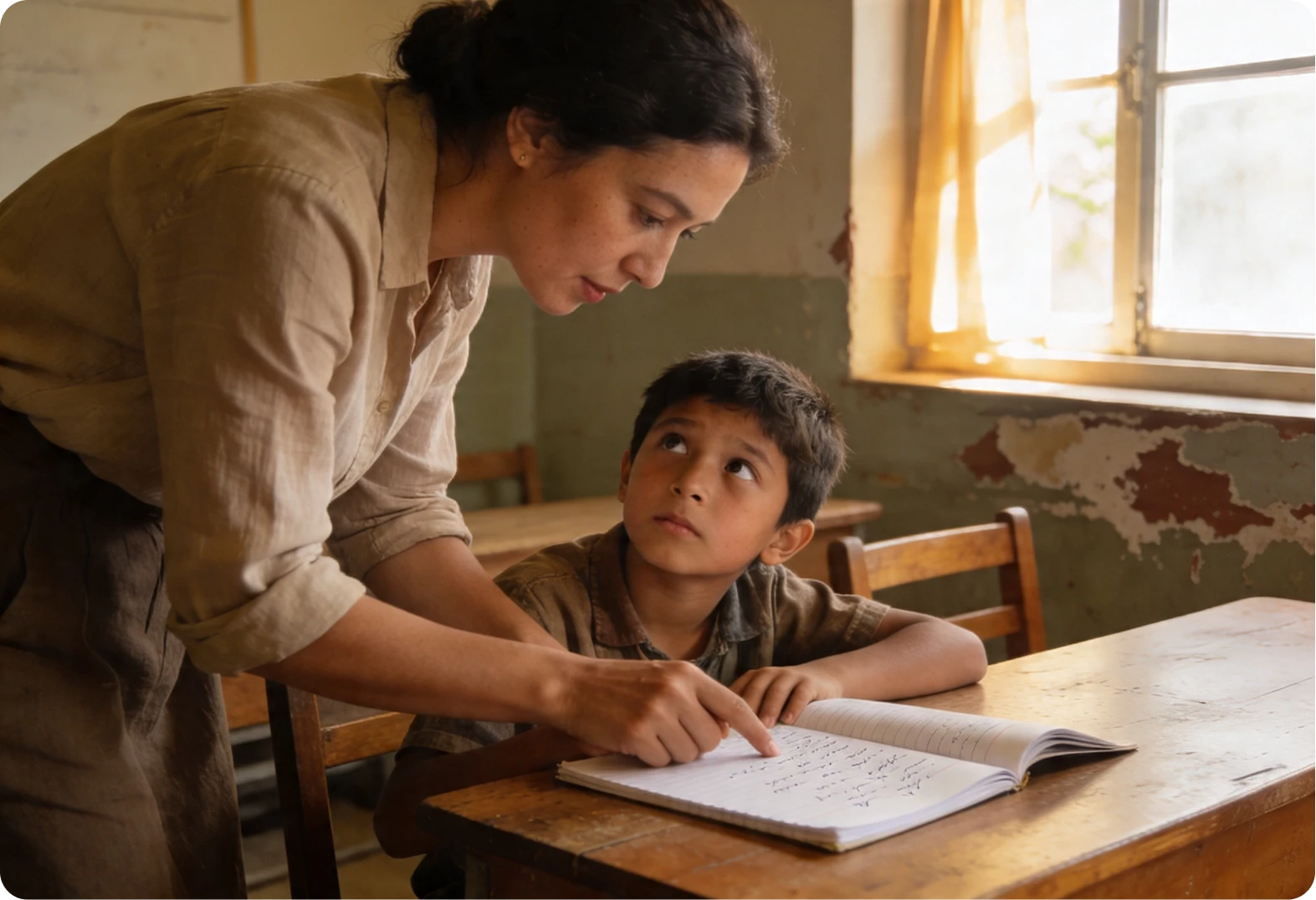
(300M+ children lack basic literacy — World Bank 2024)
We built our solutions around these realities - not despite them
Every product in our portfolio is designed from the ground up for low-connectivity, low-resource environments. This is not a workaround – it is the foundation.
Our 5 solution pillars
Answer to each challenge
Offline Learning Platform
Content is preloaded on devices, enabling uninterrupted access across classrooms and learning environments without requiring internet, available in different languages with bilingual learning.
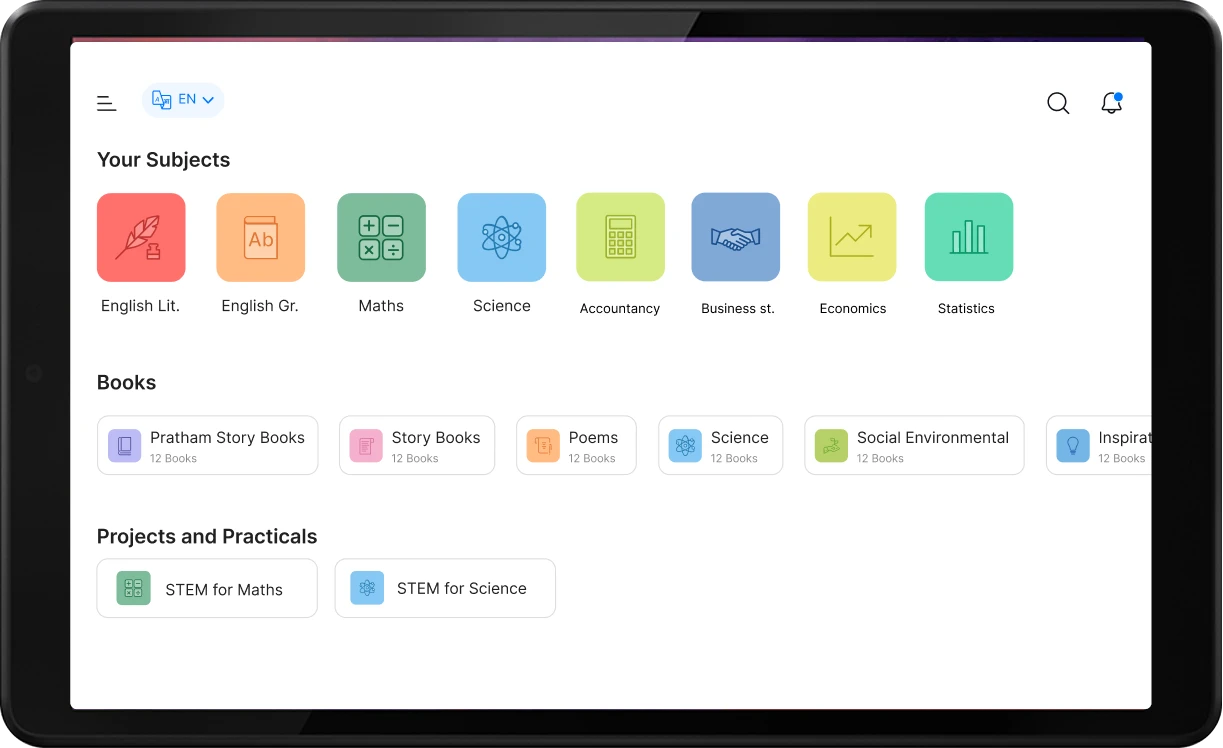
Curriculum-Aligned Content
A comprehensive library across subjects and grades supports both teaching and self-paced learning, aligned to structured curricula with the option to add partnered or teacher created content.
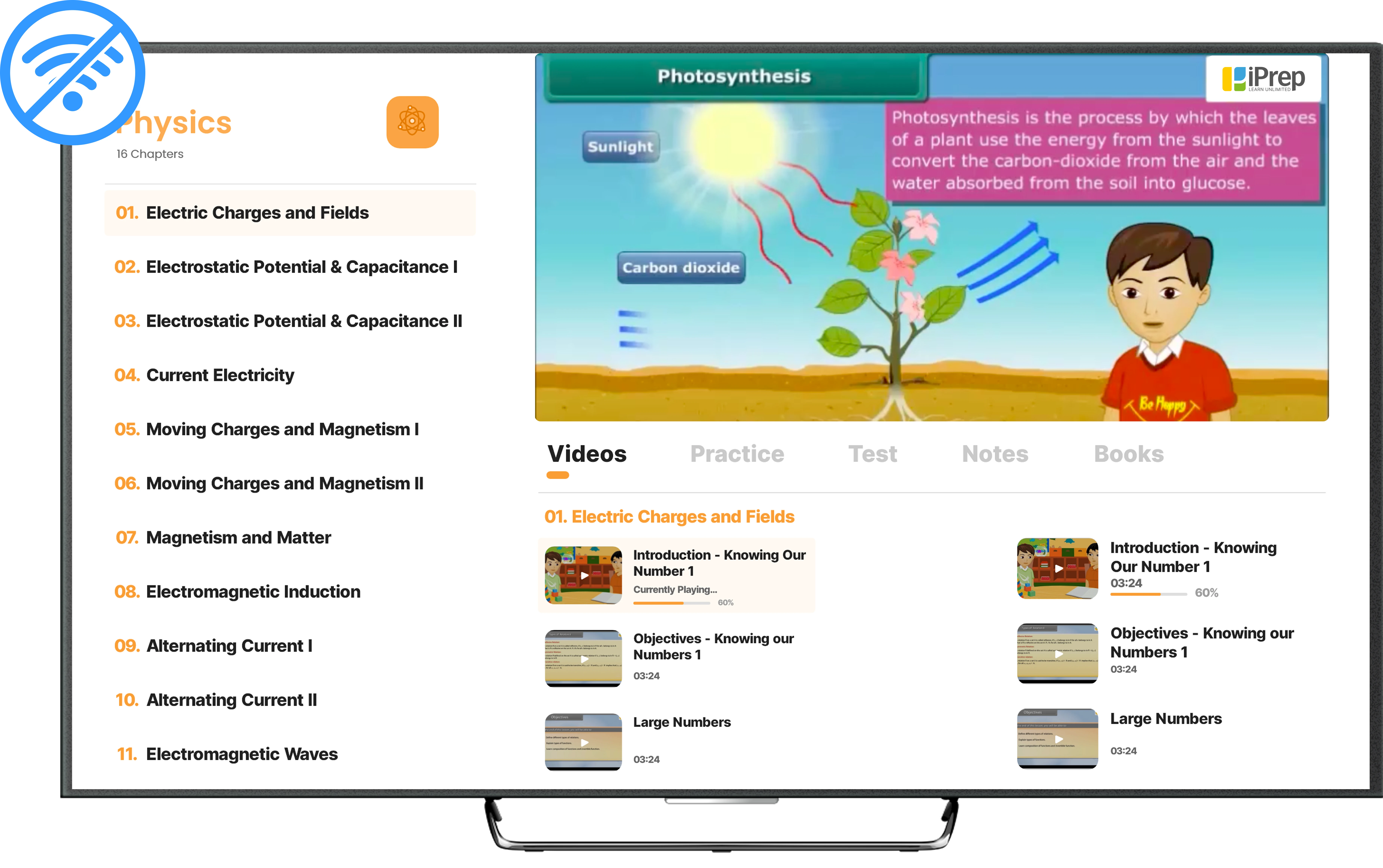
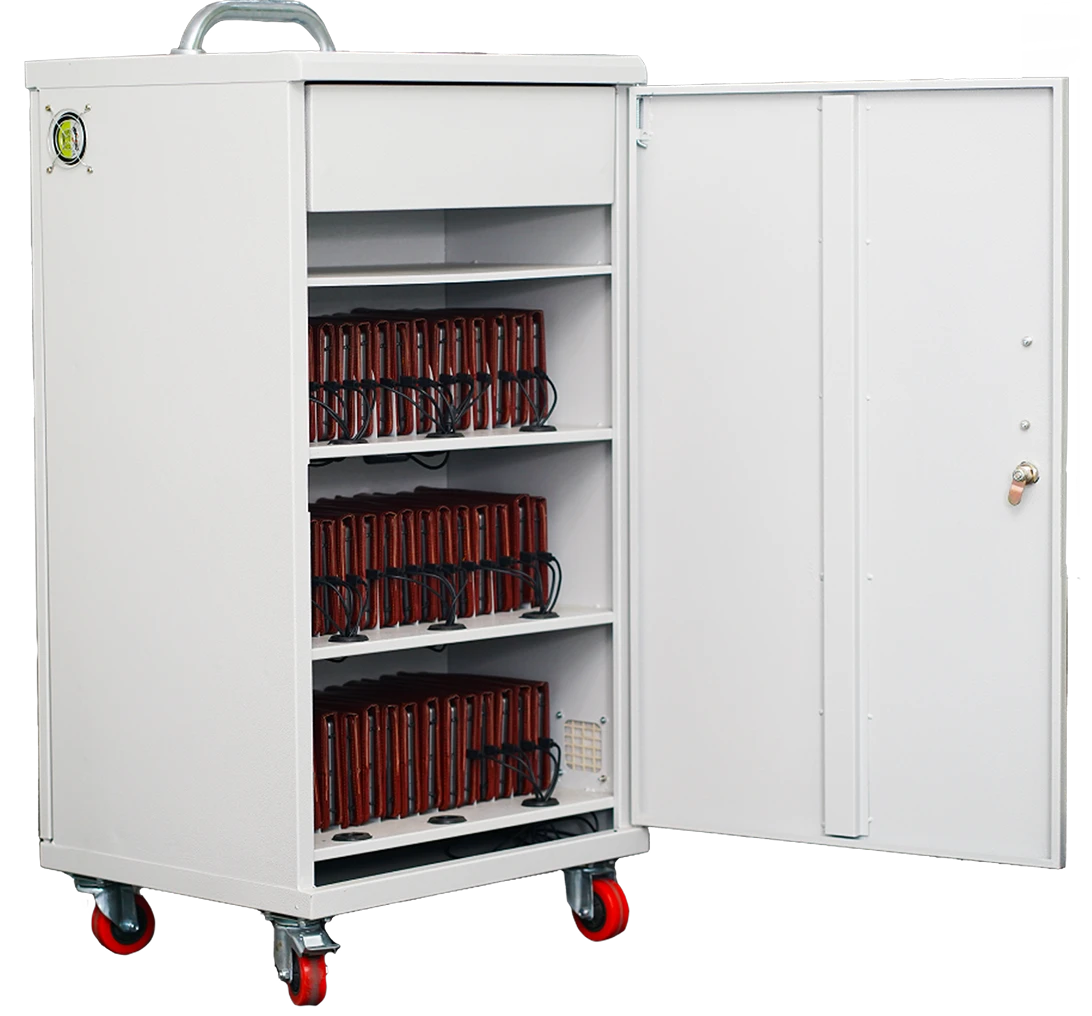
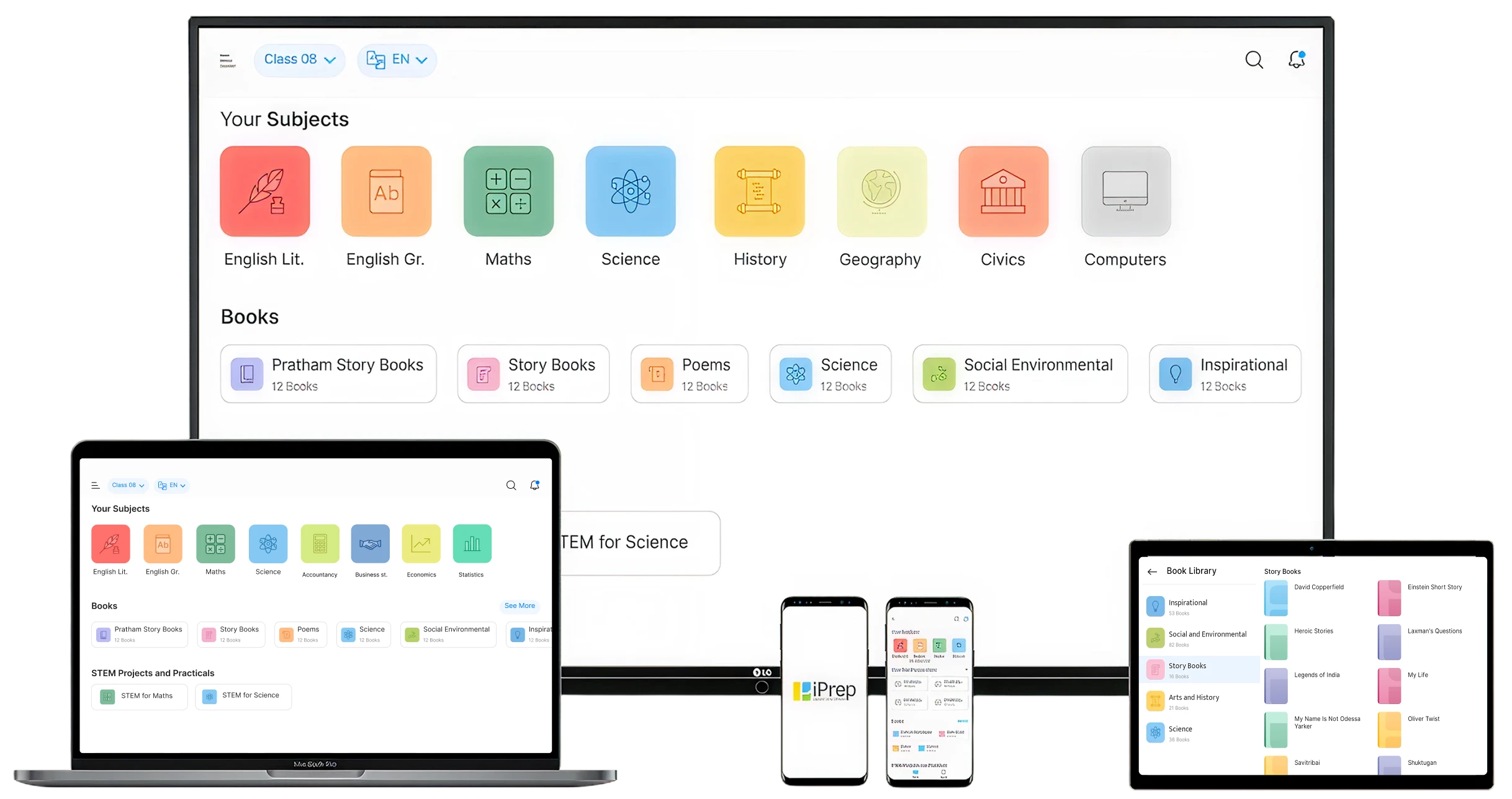
iPrep Digital Library
A shared-device digital learning model built for large-scale programs with limited infrastructure and budgets.
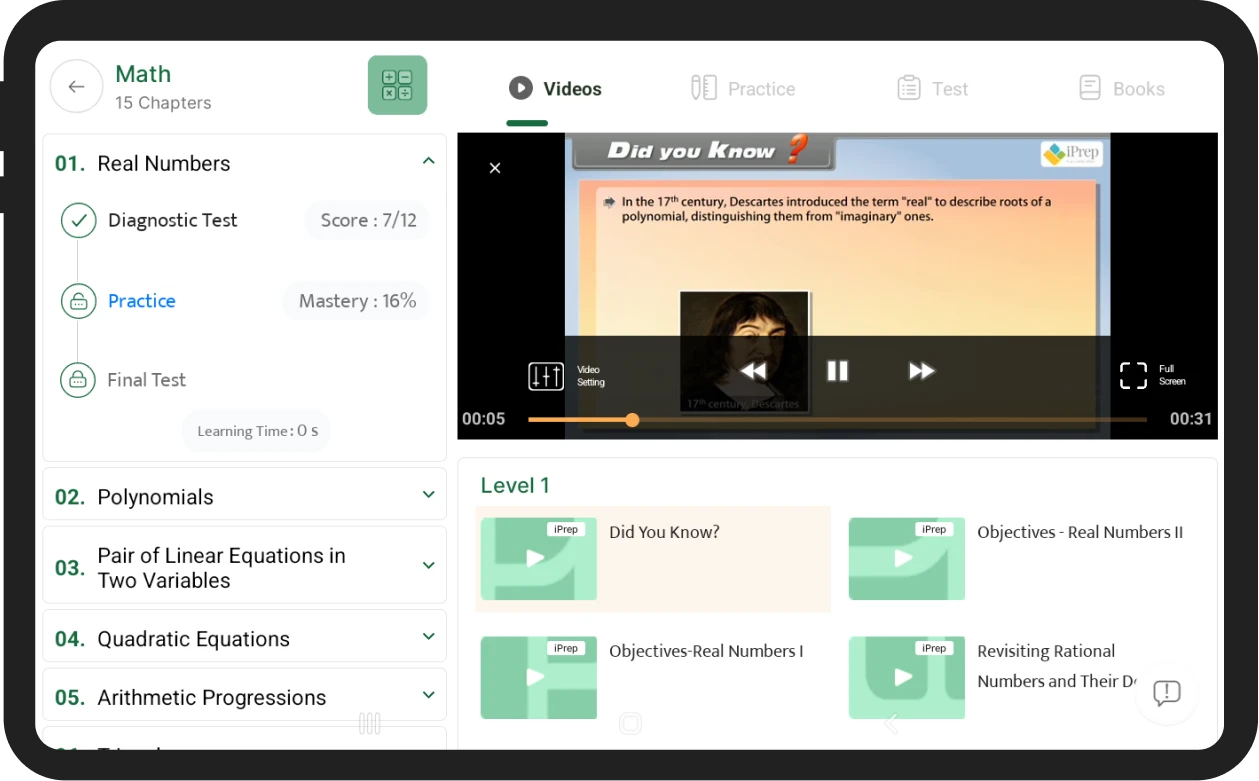
PAL
Designed to identify and address learning gaps, enabling students to catch up and strengthen conceptual understanding over time.
Reporting & Monitoring
Deploy through smart classrooms, digital libraries on tabs, or remote/hybrid models, individual learning devices with built-in tracking to monitor usage, engagement, and learning outcomes.
Key Differentiators:
1. Deployment via Tablets / Screens/ Any Device
2. Bilingual Learning with Multi Language Access
3. Customized LMS with Teacher Created Content
4. Offline First Solutions
5. Usage Reporting & Monitoring
How Digital Learning Can be Implemented Across Different Environments
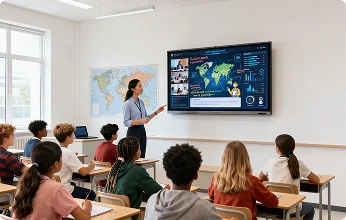
Smart Class
for Classroom-based Learning
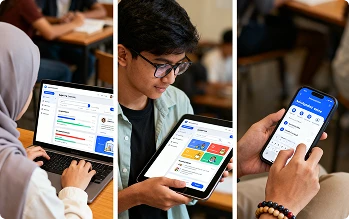
Device Based Learning
at School/ Home
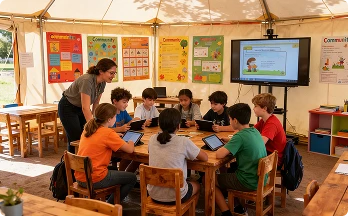
Community/ Extended
learning beyond School
Digital learning programs operate across varied environments—each with different infrastructure, access, and learning needs. Implementation must adapt accordingly while maintaining consistency in delivery.
Use Cases Across Education Programmes
This approach supports a wide range of education initiatives, adapting to different program goals, learner groups and operational environments.
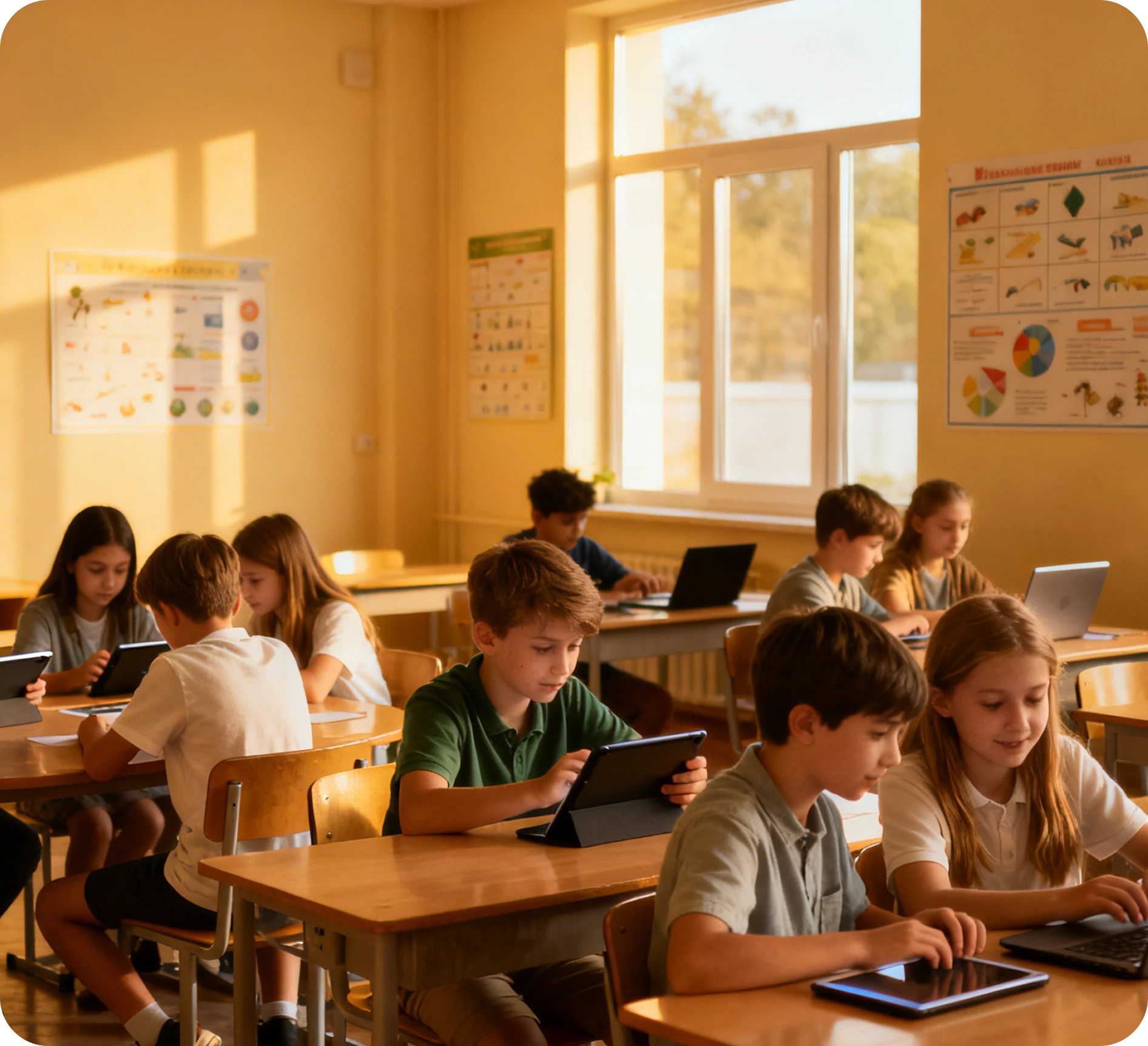
Offline Learning at Scale in Afghanistan
Deployed for 40,000 students across 15 schools using a fully offline server-client model, ensuring uninterrupted access to learning.
Results:
- +49 percentage points improvement in Mathematics
- +46 percentage points improvement in Science
Students accessed remedial modules, video lessons, and simulations, enabling self-paced, level-appropriate learning without internet dependency.
Demonstrates the power of a scalable, flexible offline LMS, supporting customized content, teacher inputs and measurable impact across education systems.
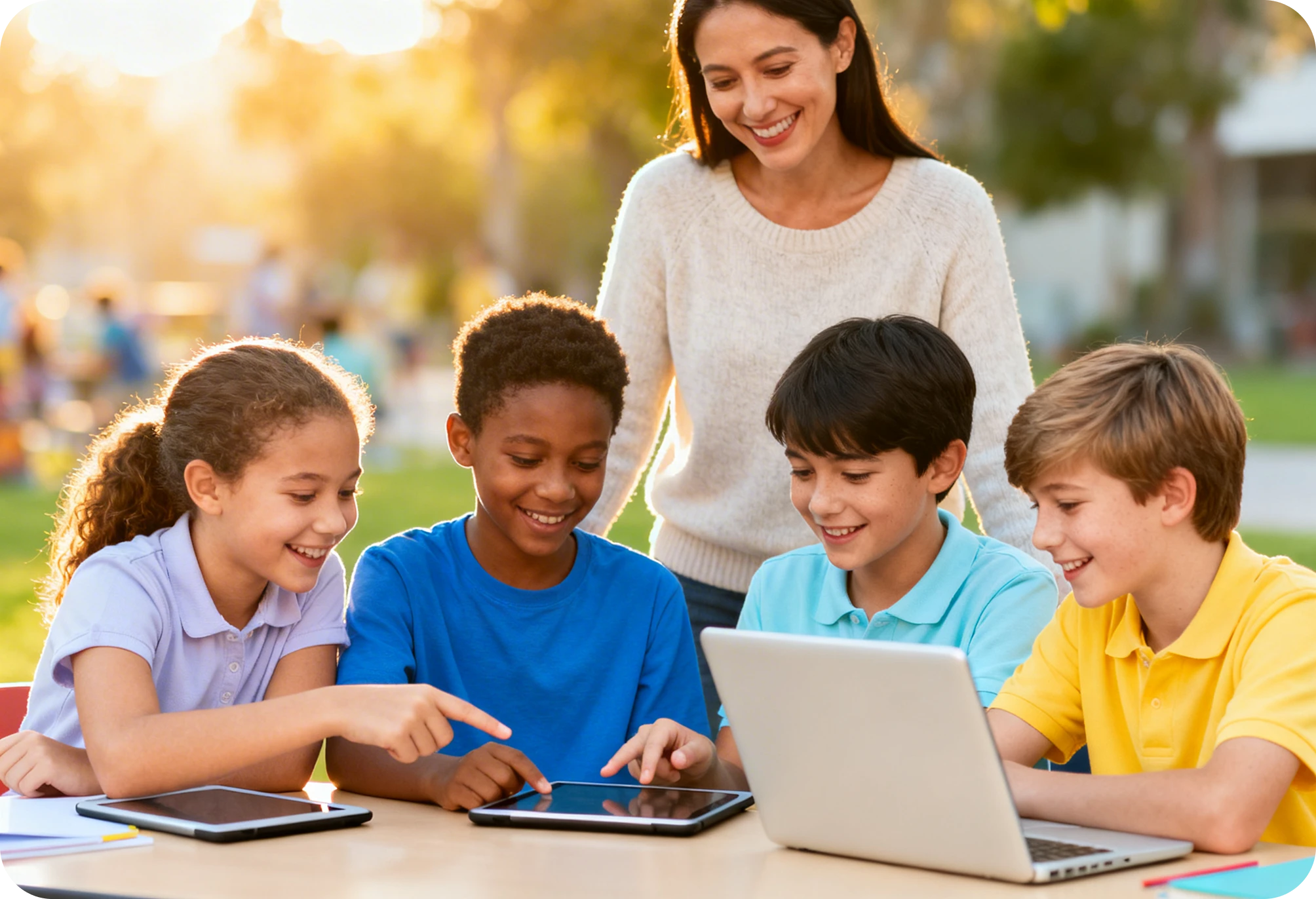
Our Digital Learning Solutions
Our solutions are designed to support large and diverse education systems, combining offline-first technology, curriculum-aligned content, and structured learning frameworks to enable consistent, scalable and measurable learning.