

Hi,
Over the last few weeks, I was happy to receive many responses to my previous email where I spoke about a challenge that we have observed repeatedly while visiting schools across India. Many of you agreed with the observation that teachers today understand the importance of digital teaching. They want to make learning more engaging, they are open to adopting technology, and they recognize that students learn differently today than they did a decade ago.
However, despite significant investments in digital infrastructure, many schools continue to struggle. The reason is simple. What often reaches classrooms is hardware, but not necessarily the teaching-learning resources required to make that hardware meaningful. Smart TVs, projectors, and digital boards are being installed, but teachers are still searching for relevant content and resources that can help them effectively engage students and improve learning outcomes.
Today, I want to extend that conversation by sharing an experience from one of our recent school visits that left a lasting impression on me and the team.
A few months ago, our team travelled to a remote school located deep inside a forest region affected by Naxal activity. The area was so inaccessible that there was no suitable accommodation available for our team nearby. Seeing our situation, the school principal warmly invited us to stay at his home.
That evening, as we sat together after a long day, he began sharing the story of the school and the journey they had undertaken over the years. He spoke about the early days when education was not considered important by many families in the community. There were very few learning resources available. Convincing parents to send their children to school was itself a challenge. Attendance was low, and creating an environment where learning could thrive required persistent effort from the teachers.
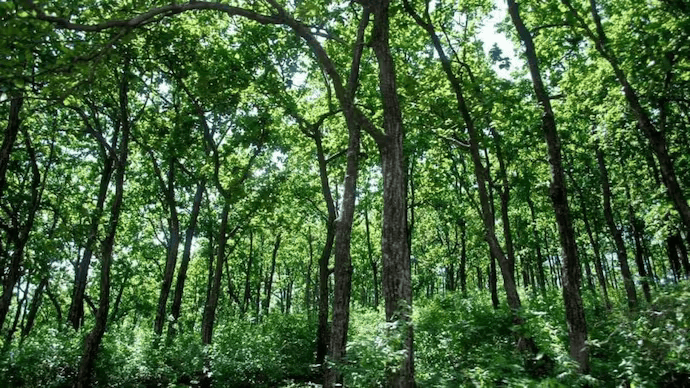
Then he shared a story that I have continued to think about ever since. The forests surrounding the village were being regularly cut down. Rather than addressing the issue directly with the community, the teachers decided to start with the students. They began discussing the importance of trees, forests, and environmental conservation inside their classrooms. Through simple activities and conversations, they helped children understand why preserving nature mattered. The students took these lessons home. They started talking to their parents about protecting trees. They shared what they had learned in school. They questioned practices that their parents had followed for years and encouraged their families to think differently.
Over time, something inspiring happened. The conversations that had started inside the classroom began influencing the wider community. The cutting of trees around the area reduced significantly, and awareness about conservation increased.
As I listened to him, I realized once again that motivation is not what our teachers lack. In fact, some of the most committed and inspiring individuals I have met are teachers and principals working in the most difficult circumstances. Every day, they go far beyond their formal responsibilities to create opportunities for children and bring positive change to their communities. What they often lack is access to quality content, relevant learning resources, and tools that can help them deliver engaging learning experiences consistently.
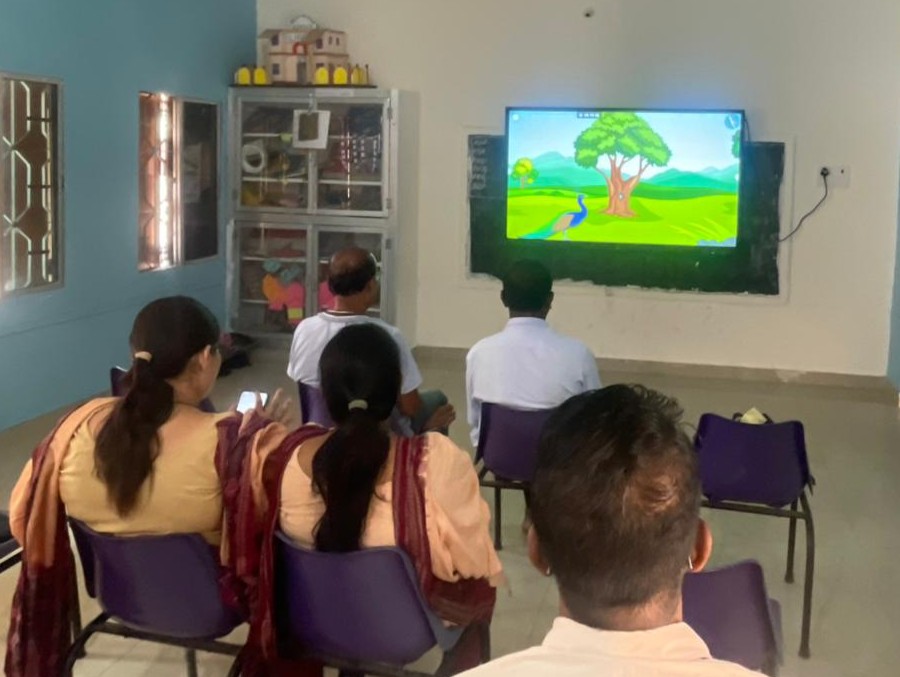
I wanted to share this story because it offers a glimpse into the realities of schools and teachers working in some of the most challenging environments. As we continue making decisions and investments in digital education, I hope insights from the ground help us focus not only on access to technology, but also on empowering teachers with the tools and content they need to bring learning alive for every child.
As always, I welcome your perspectives on how we can better support teachers and ensure that digital education investments translate into meaningful learning outcomes.