Hi Reader,
Happy 78th Independence Day to you! Today, as we celebrate our nation’s freedom, I am thinking of 2016 when we started iDream Education. While we decided to work on providing tablets directly to the students, there were deeper problems to be solved.
Internet, we realized, is a big barrier to education.
Most of the EdTech solutions that existed back then were either Smart Classroom-based or worked online. None of which could solve our use case.
We had an insight very early that success in digital learning can happen only if there is a natural and joyful adoption of the same by the users. This means,
- Can the students and teachers use the technology in the classroom without much requirement of the training?
- Can the technology be so simple and easy that the users do not feel any barrier to usage?
Android solved one bit of the problem for us.
Teachers had begun using a smartphone and were absolutely comfortable with the Android platform. At the same time, students were also familiar with using Android devices at home.
Towards the end of 2016, I visited a tribal school in Anantapur in Andhra Pradesh.
As I started interacting with the students, I asked them if they had seen a “touch phone”. 80% of the students raised their hands. When I asked them what they do on their phones, they mentioned that they play games like Temple Run and Angry Birds. What this indicated was that neither the teachers nor the young students feared Android and even in the most rural parts of India, they had naturally and joyfully adopted using the touch-based phones on Android.
The next major problem was providing offline access to digital content.
This was needed to make student-centric digital learning possible even in areas without internet connectivity. To create a successful model, we recognized the need to develop our own Android-based Learning Platform that could function offline.
Thankfully, we had a young team who had no preconceived notions. It took us time, but we were able to figure our way out. The tough part was being able to save student reports offline and then build a system through which we can sync the data back to an online reporting dashboard whenever the device gets the internet. Eventually, we were able to solve both of these problems.
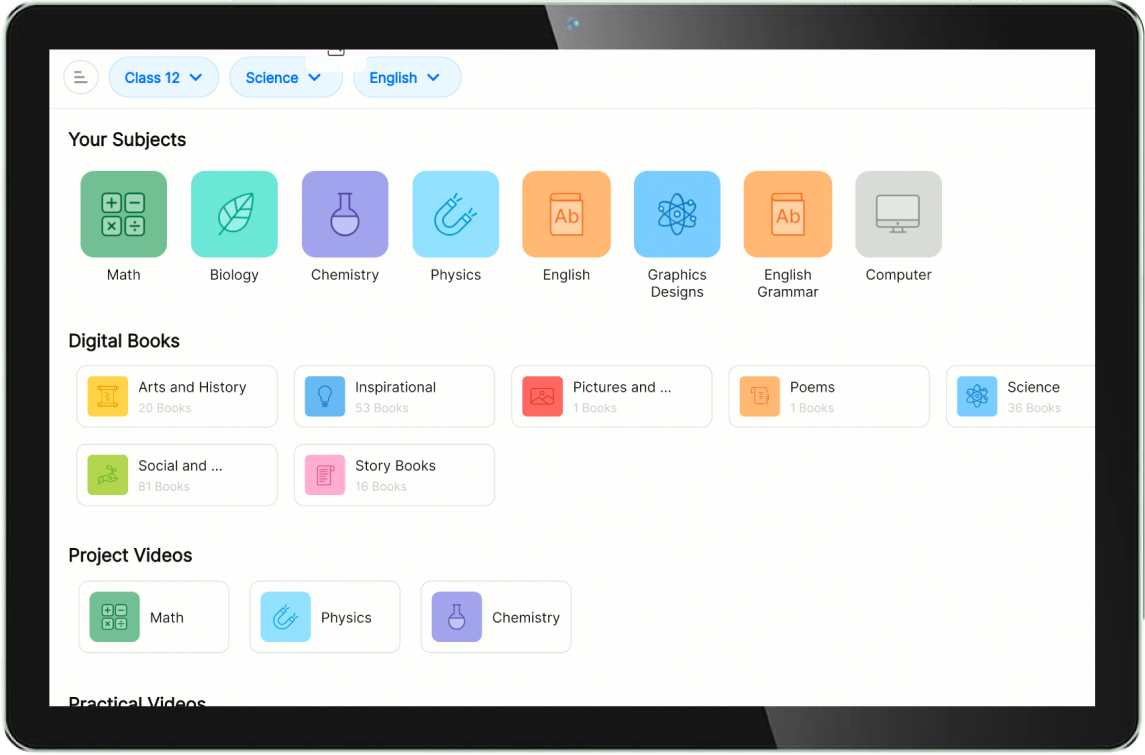
Today, this offline learning platform is used in more than 22,000 classrooms and by over 7.5 lakh children in 21 states across the country who use the application at home or in their schools.
The name of the learning platform is iPrep. The “i” stands for every individual who is preparing for a better life. Hence the name iPrep. It is heartening for me to share with you that iPrep was also evaluated by EdTech Tulna and after a careful evaluation was listed on their website. (EdTech Tulna is a framework created by IIT Bombay, Central Square Foundation, and Ministry of Education to create a benchmark for EdTech solutions).
|
Three core principles were vital for us as we designed iPrep. iPrep had to be joyful, minimalistic, and universal. The exact implementation of these core principles helps iPrep to be naturally adopted by all kinds of students breaking the barriers of language, region, status of schools (private or govt), type of hardware, OS, and type of digital content. |
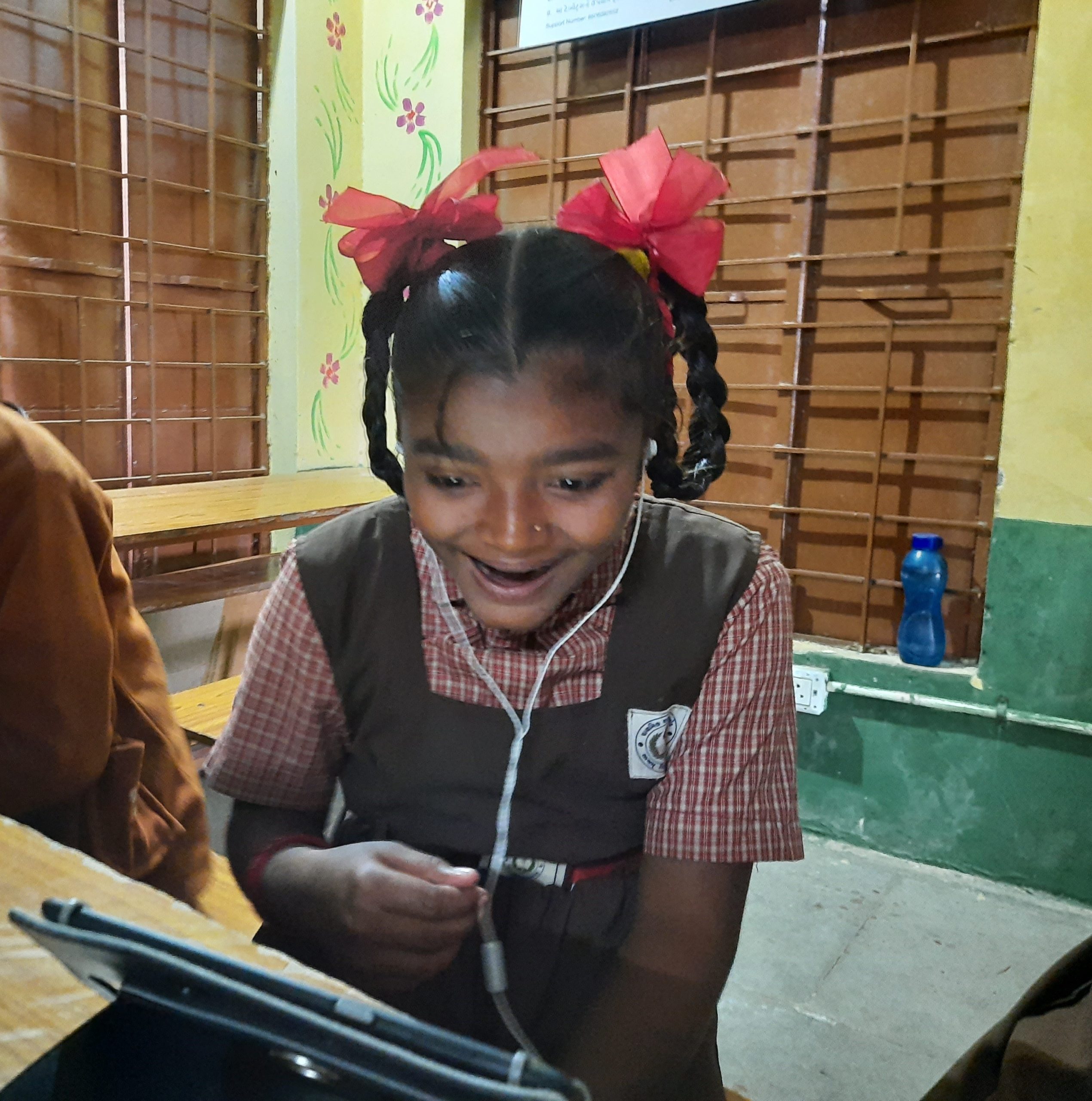
Most importantly it gives the freedom to our students to learn ANYTIME, from ANYWHERE, and on ANY DEVICE.
Let’s celebrate the freedom to learn, grow, and shape our future. Their voices will inspire you!