Enabling Early Learning in Noida Schools with FLN Teacher Resource Kit on Smart Class
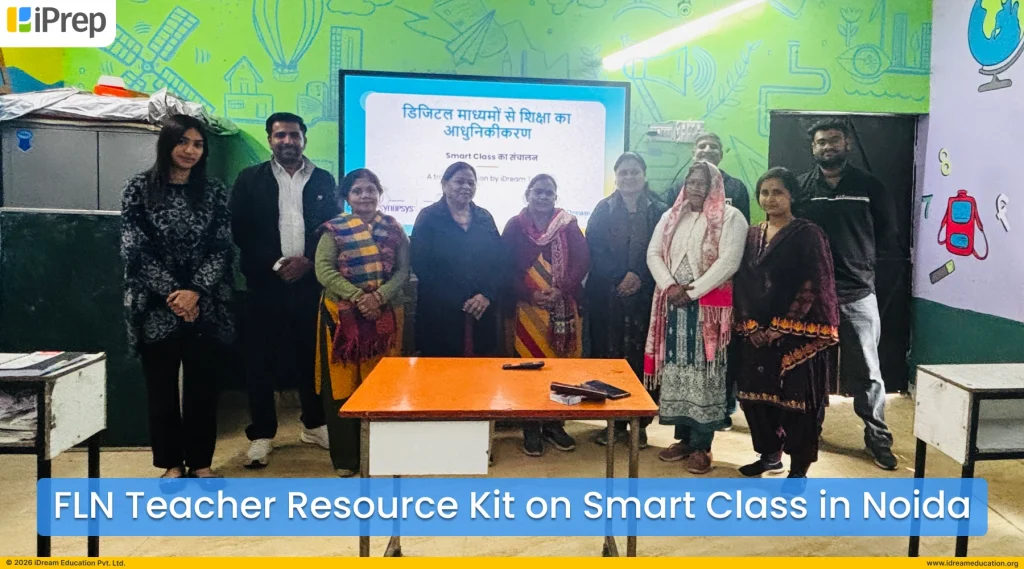
Teaching in the early years is not just about completing a syllabus, it is about shaping how a child experiences learning for the very first time. In these foundational grades, children are still learning how to sit, listen, recognize letters and numbers, and most importantly, build confidence to express themselves. If this stage is not handled with care, the gap doesn’t just remain – it widens over time.
This is exactly where the vision of NEP 2020 becomes critical. With its strong emphasis on Foundational Literacy and Numeracy (FLN), the education system now treats early education as a structured, intentional, and deeply activity-driven approach instead of leaving it informal. Across India, government bodies, CSR initiatives, NGOs, and departments such as Women and Child Development (WCD) are now working on improving early learning experiences both in primary schools and Anganwadi centres.
But the real question remains: how do we translate this vision into everyday classroom practice?
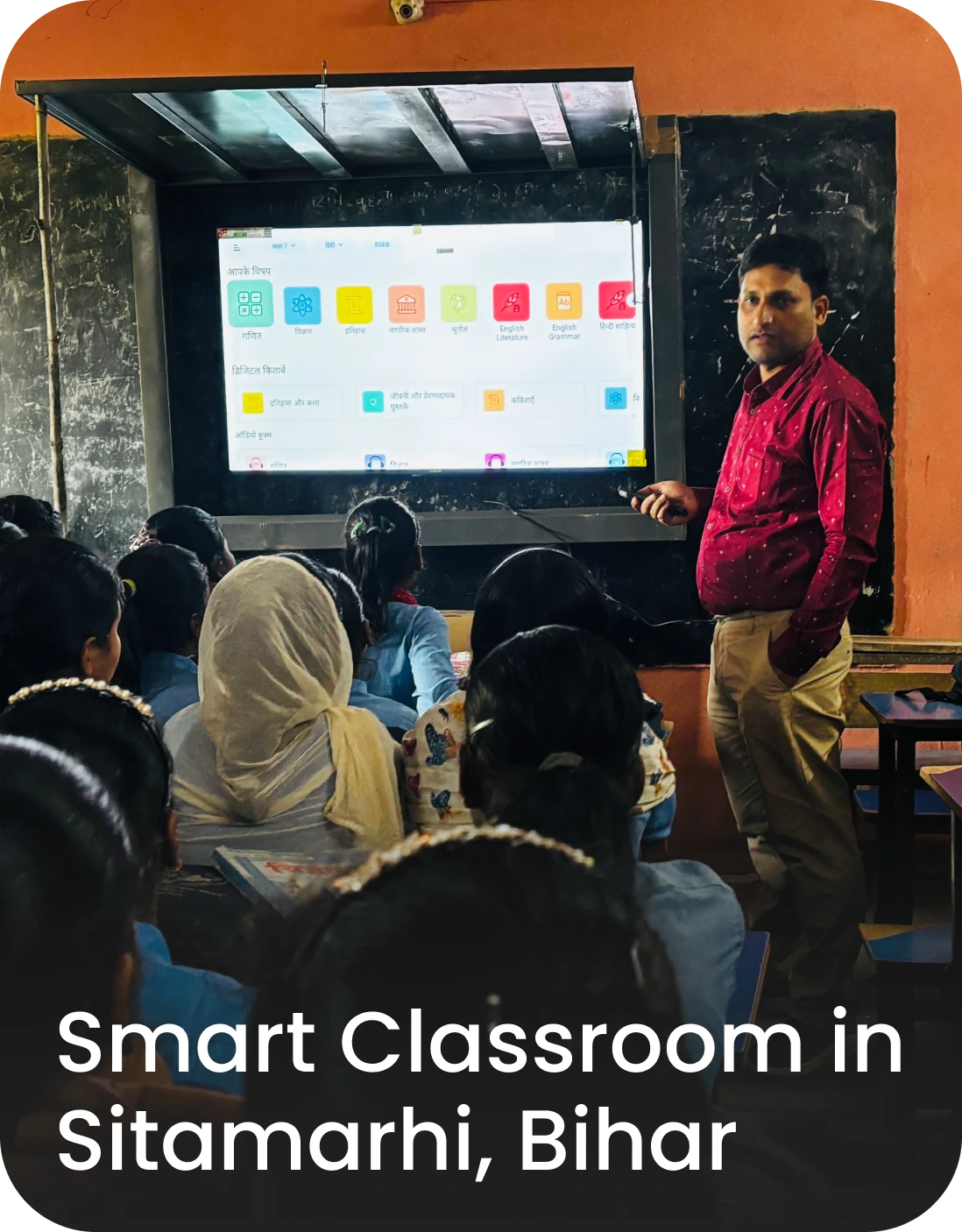
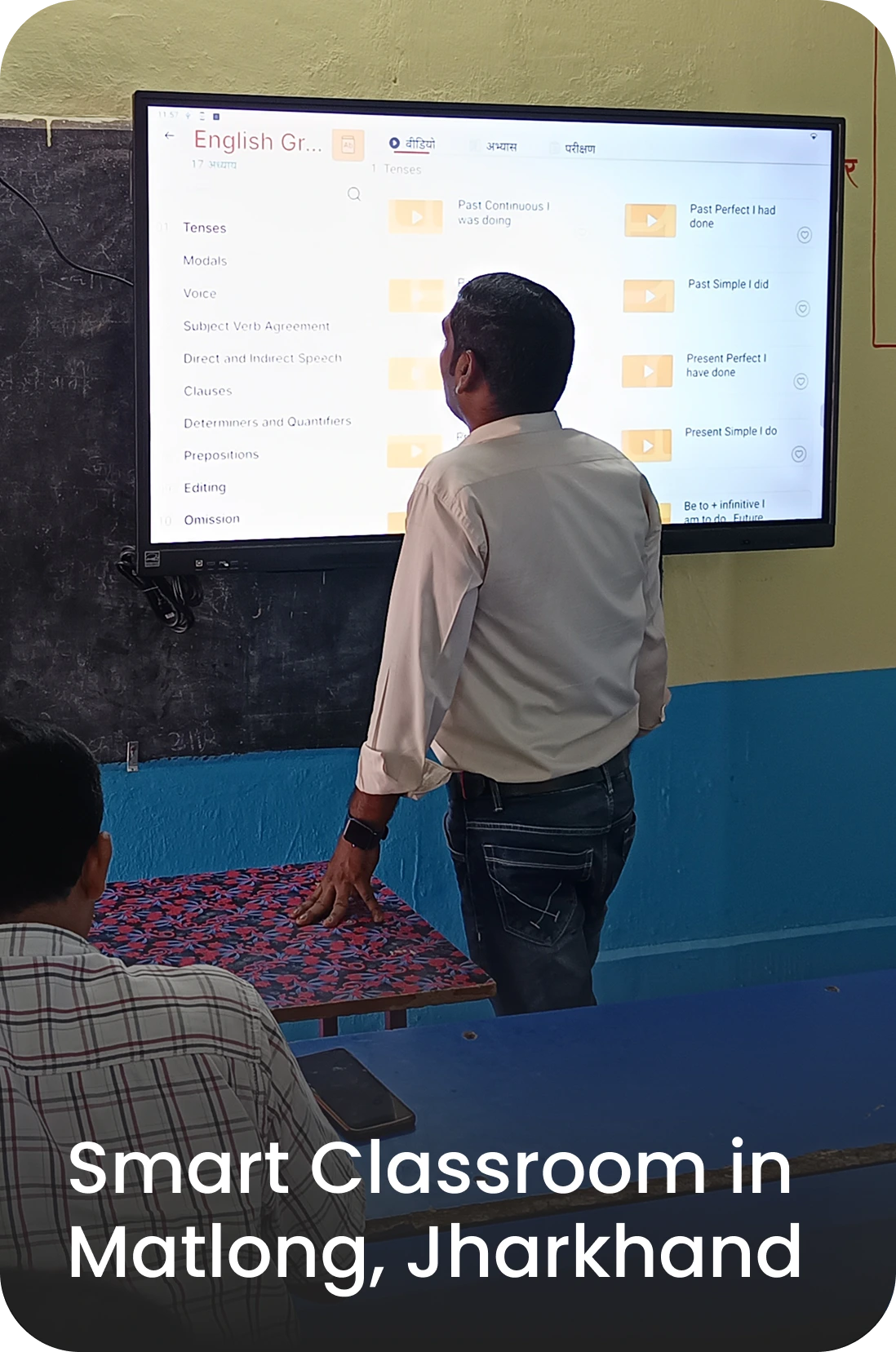
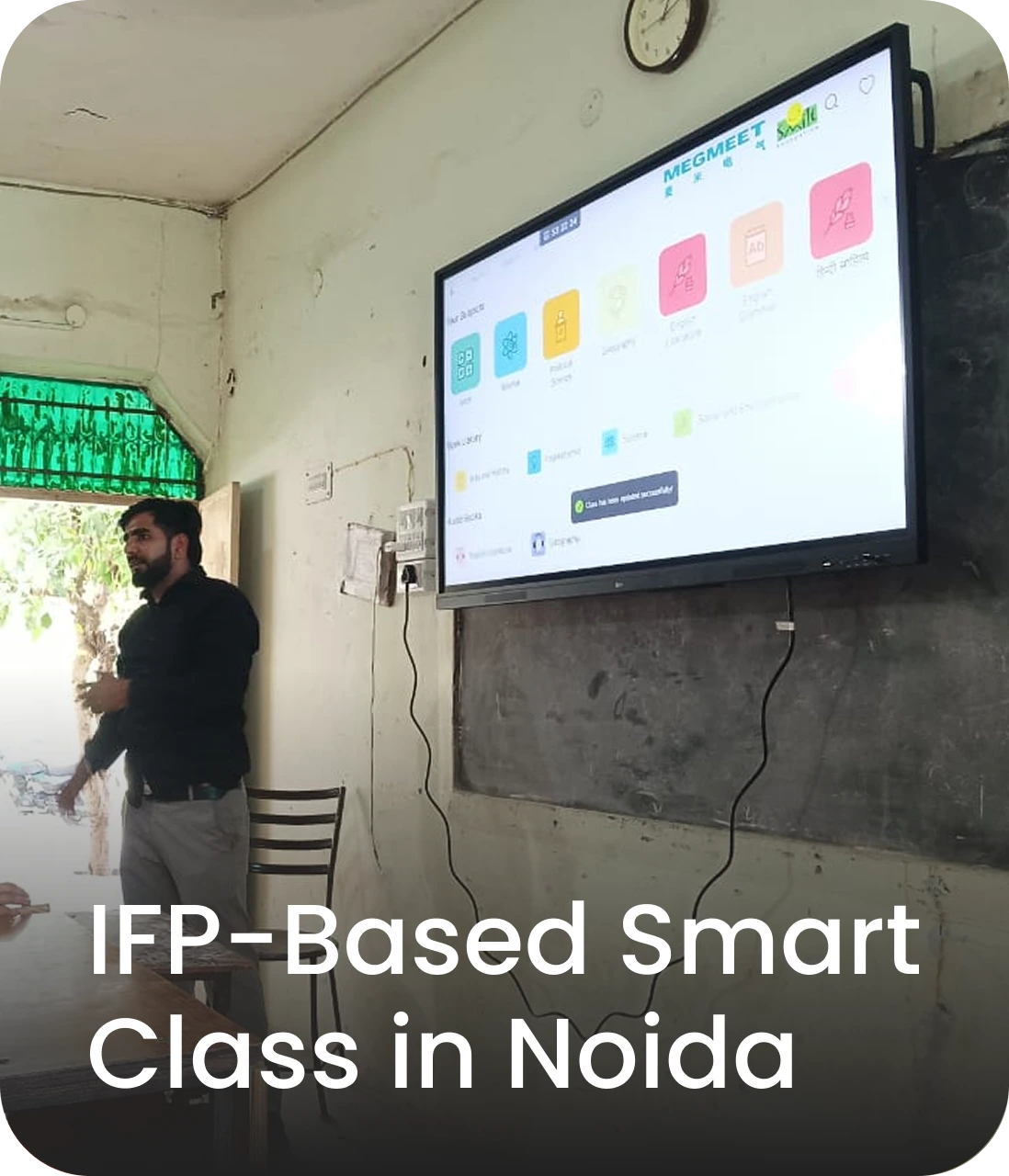
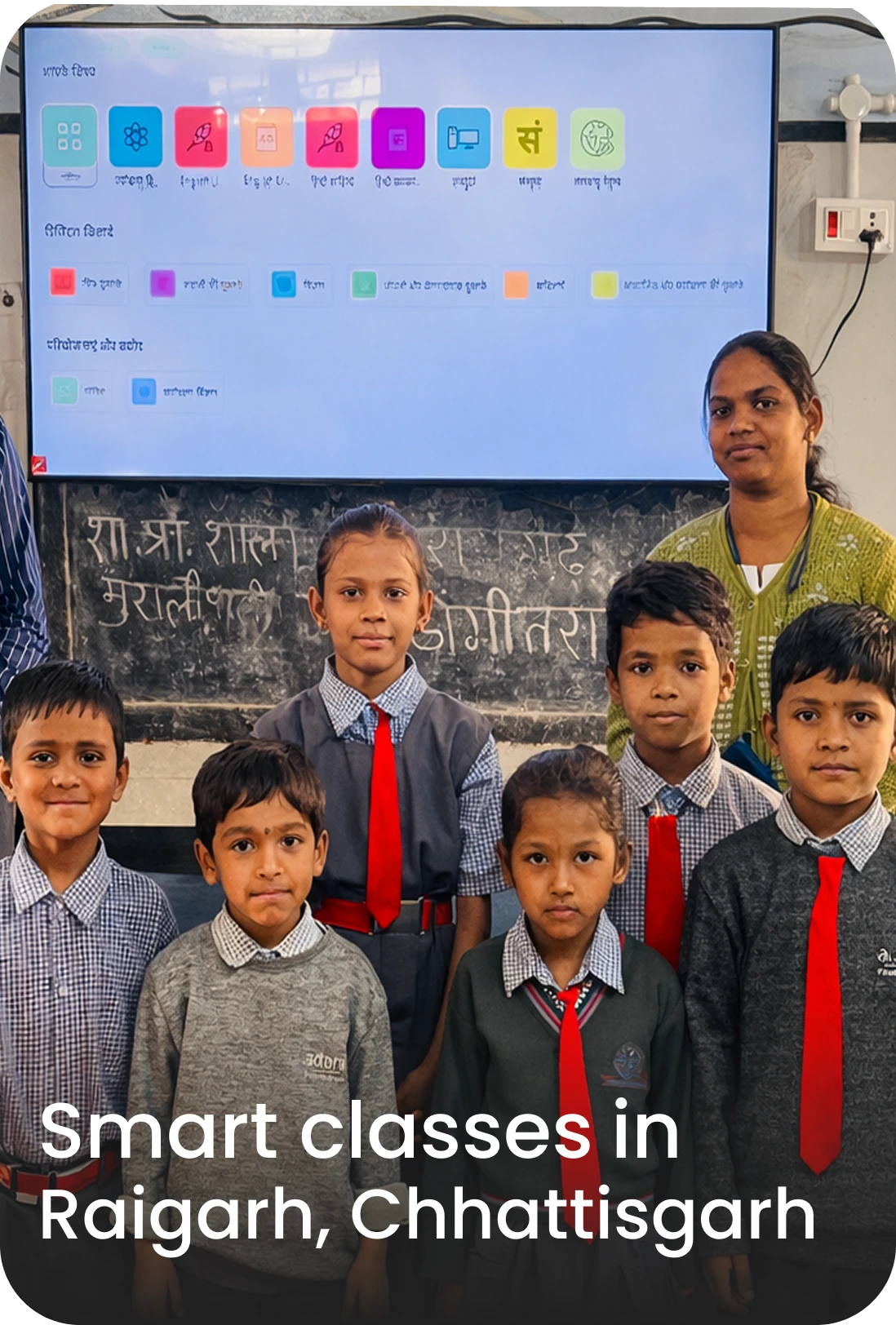
To address this, an NGO partnered with iDream Education to integrate the FLN Teacher Resource Kit into smart classroom environments for early learners in government schools in Noida. The objective was not just to introduce digital infrastructure, but to meaningfully align it with FLN learning goals, enhancing classroom experiences, simplifying teaching practices, and strengthening the ability of teachers to support every child’s foundational learning journey.
As part of this initiative, two UP Board schools were selected:
- Composite School Momnathal
- Composite School, Badauli Bangar
While both schools operate within the same system, their realities reflect two very different classroom environments. One school is located within an active residential community, where access and engagement come relatively easily. The other, however, is located at an extreme remote location of Noida, with limited infrastructure and fewer teachers managing multiple responsibilities.
While the contexts of the two schools differed, the vision remained the same:
Strengthening early-age learning by empowering teachers with the right tools, & complete FLN Teacher Resource Kit. The focus was not just on introducing technology, but on making it truly usable and relevant for foundational classrooms.
To bring this vision to life, both schools implemented a thoughtfully designed Smart Class setup with the FLN Teacher Resource Kit.
Each school received a 65-inch Samsung Interactive Flat Panel with preinstalled iPrep LMS and FLN Teacher Resource Kit available completely offline. The structured repository of FLN-aligned content, covers Nursery to Grade 2 with a strong foundational focus. Plus, the project also enabled digital content for Classes 1 to 8 in both Hindi and English mediums aligned to UP board Curriculum.
FLN Teacher Resource Kit comprises activity-based digital modules for PS1, PS2, PS3, and Vidya Pravesh aligned to foundational learning goals. It includes animated video lessons, phonics-based learning to numeracy activities, interactive storybooks, image-based assessments, puzzles, games, worksheets, and rich visual libraries.
Enabling Teachers Through Experiential Training on the FLN Teacher Resource Kit
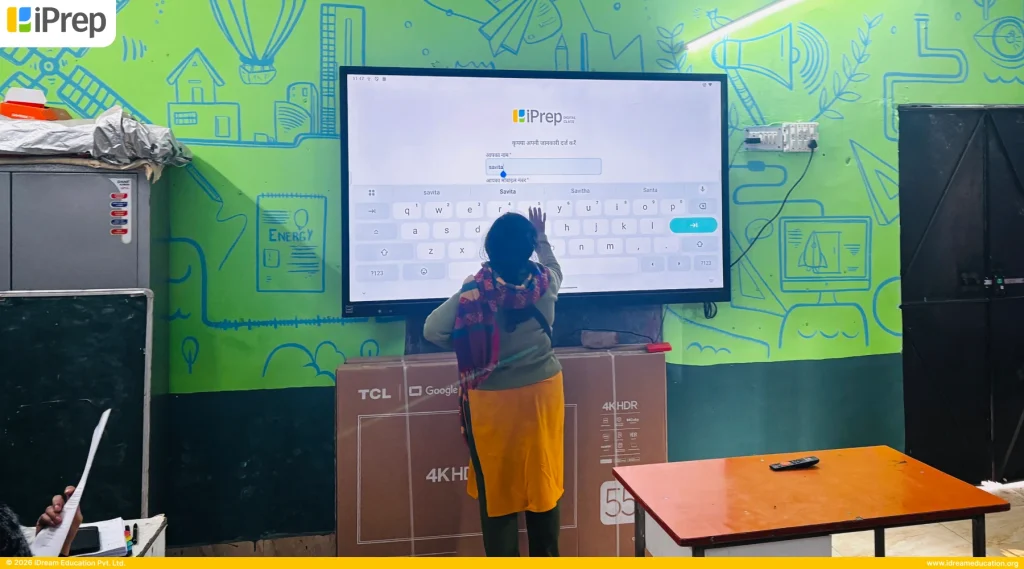
Introducing technology into early-grade classrooms is not just a shift in tools, it is a shift in teaching practice. And for teachers already managing early learners and classroom dynamics, this transition can initially feel like an added responsibility rather than a support.
This was visible at the start of the implementation. Teachers were hesitant. The introduction of Interactive Flat Panel–based Smart Classes raised natural questions: Will this make teaching more complex? Will it take extra time? Is it really useful for early learners?
To address this, the focus is on experiential, hands-on training, not just explaining the platform but allowing teachers to explore, interact with, and experience the content themselves.
As the training progressed, a clear shift began to emerge.
The sessions introduced teachers to different categories of content within the FLN Teacher Resource Kit—animated lessons, phonics modules, numeracy activities, interactive stories, and games. What stood out immediately was how playful, visual, and intuitive the content was. Teachers realized that engagement did not have to be forced, it could happen naturally. Once the content started playing, children naturally engaged with the learning experience on their own.
Equally reassuring was the fact that the entire repository was aligned with NCF 2022 guidelines, the same framework teachers were already following in their classrooms. Instead of adding something new, the Smart Class setup strengthened what they already taught. Teachers especially appreciated seeing their textbooks come alive digitally, available in multiple formats such as videos, visuals, and interactive elements. During the training, they actively navigated through the content, identified relevant resources, and shared how they would integrate these into their daily lesson plans.
The Smart Class no longer felt like an additional task and instead became a practical, time-saving, and engaging teaching companion for early-grade classrooms. We look forward to usage & improvement in the coming months.