How an Offline Adaptive Learning Model Brought Digital Education to Students in Leh and Kargil
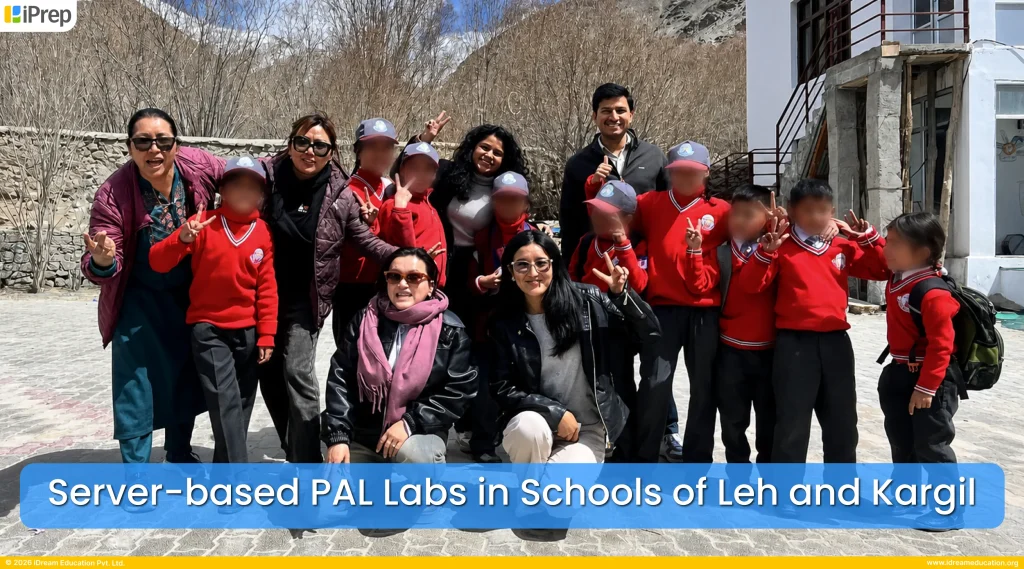
Snow-covered mountains, difficult roads, freezing temperatures, and long travel distances; these are often the first images that come to mind when we think about Leh and Kargil. Many people travel there to experience the beauty of the region, capture photographs, and admire the landscapes.
But beyond tourism, there is another reality that often goes unnoticed, the reality of students studying in remote schools across these high-terrain regions.
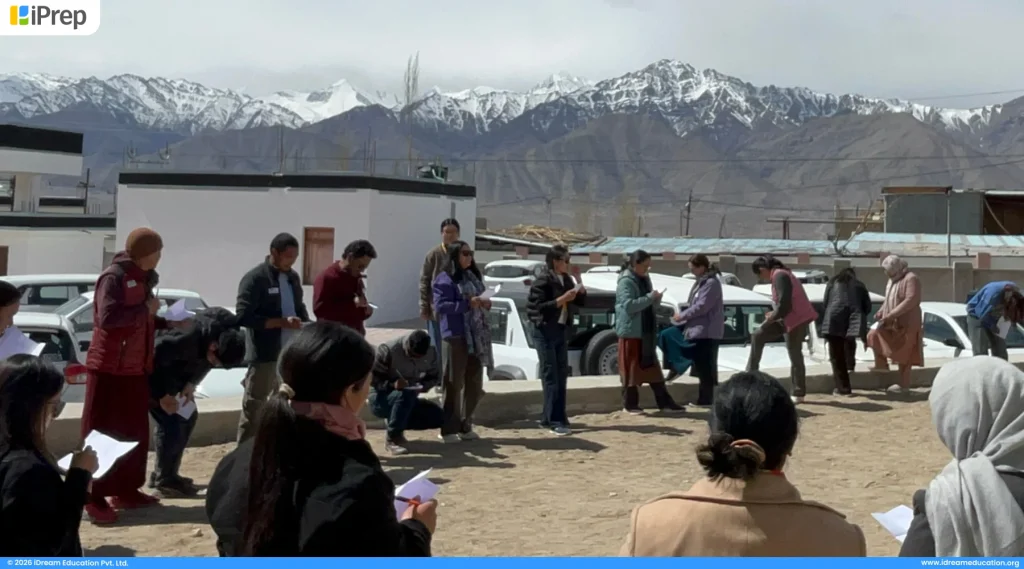
- How does education reach children living in such difficult geographies?
- How do teachers continue classroom learning where connectivity is limited and resources are not always easily available?
- How do schools sustain digital learning in places where even basic accessibility can become a challenge?
These were some of the realities we experienced closely when we became part of a digital learning initiative in Leh and Kargil through a collaborating foundation deeply connected with schools and communities in the region.
Understanding the Ground Reality in Leh and Kargil Schools
The schools already had tablets and a digital application in place before our collaboration began. However, students were still unable to access the learning application properly due to multiple accessibility and device-related challenges.
Our team understood these issues only after visiting the schools directly for setup and teacher training. Connectivity limitations, low-end devices, and inconsistent access were making digital learning difficult for students and teachers. Even though infrastructure existed in some form, seamless access to learning content was still missing.
This is often the reality in many remote regions. The challenge is not always about introducing technology for the first time. Sometimes, it is about making digital learning setups actually usable, sustainable, and accessible for day-to-day learning. The foundation working closely with these schools understood this deeply. Their team had already spent significant time traveling across these regions, understanding school needs, and staying connected with local communities. What stood out to us was how closely they worked with the schools, teachers, and students, not as external implementers, but as people genuinely invested in improving learning access in these regions.
When Existing Digital Infrastructure Still Isn’t Enough
Initially, the plan was to work using the devices already available in schools. But after understanding the actual classroom conditions and device limitations, it became clear that seamless learning access would remain difficult with the existing low-end infrastructure.
Instead of forcing the implementation under those conditions, the decision was made collaboratively to move toward a completely new setup that would offer better performance and smoother usability for students and teachers. This flexibility became one of the strongest aspects of the project.
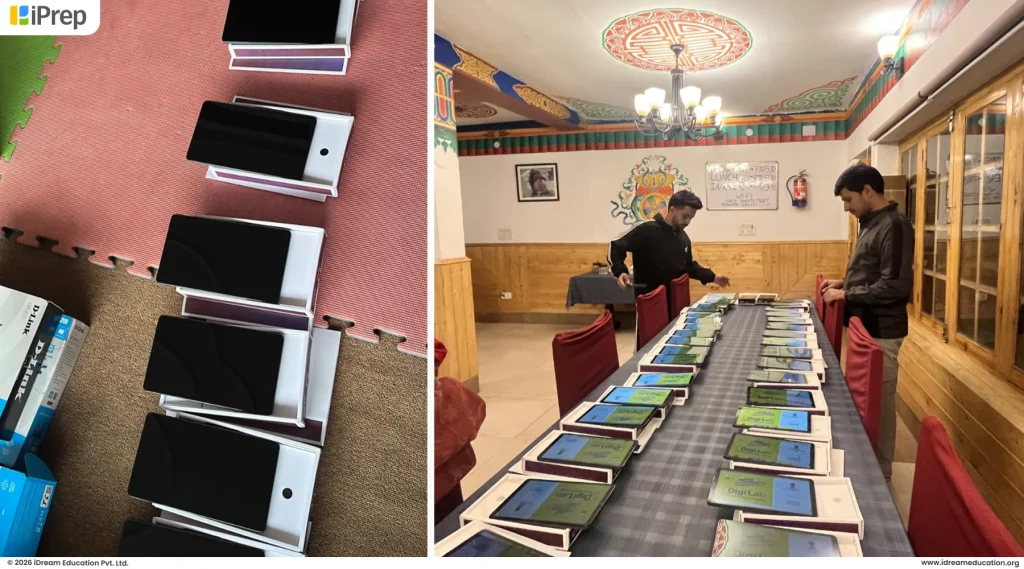
The implementation focused on enabling Personalized Adaptive Learning (PAL) software through an offline-first setup suitable for low-bandwidth environments. The deployment included:
- 61 Raspberry Pi-based server setups
- 1540 tablets
- 61 SD cards for offline synchronization
- CBSE English-medium content for Classes 1–10 for subjects English Grammar, Hindi Grammar, Mathematics, and EVS / Science
Initially, the plan was to use the existing devices available in schools. However, during discussions and assessments, it became clear that the available devices were too low-end to support seamless software access consistently.
Instead of forcing the implementation on inadequate infrastructure, the decision was made collaboratively to move toward a completely new setup that would offer better usability for students and teachers.
This flexibility and willingness to adapt based on ground realities became an important part of the project.
How Raspberry Pi Model Made Digital Learning Seamless in Leh and Kargil
- The deployment followed an offline adaptive learning model built around a server-client setup using Raspberry Pi devices.
- Students could access the PAL software through tablets connected to a local router network. Internet connectivity was not required during regular classroom usage.
- Each Raspberry Pi device worked along with SD cards that stored synchronized offline data. Whenever the Raspberry Pi setup connected to an internet-enabled central server, all student usage and learning data synchronized automatically to a centralized dashboard.
This is allowing schools to continue learning without depending on continuous internet access while still enabling monitoring and usage tracking centrally. For schools in Leh and Kargil, this became a highly practical and workable model.
A Strongly Co-Created Implementation
In many school implementations, interactions are usually limited to deployment teams and teachers. But this initiative felt different from the beginning. After the initial school visits, extensive discussions were conducted with the foundation team around:
- Software walkthroughs
- Device setup processes
- School-level management planning
- Teacher training preparation
- Usage monitoring approaches
- Long-term sustainability considerations
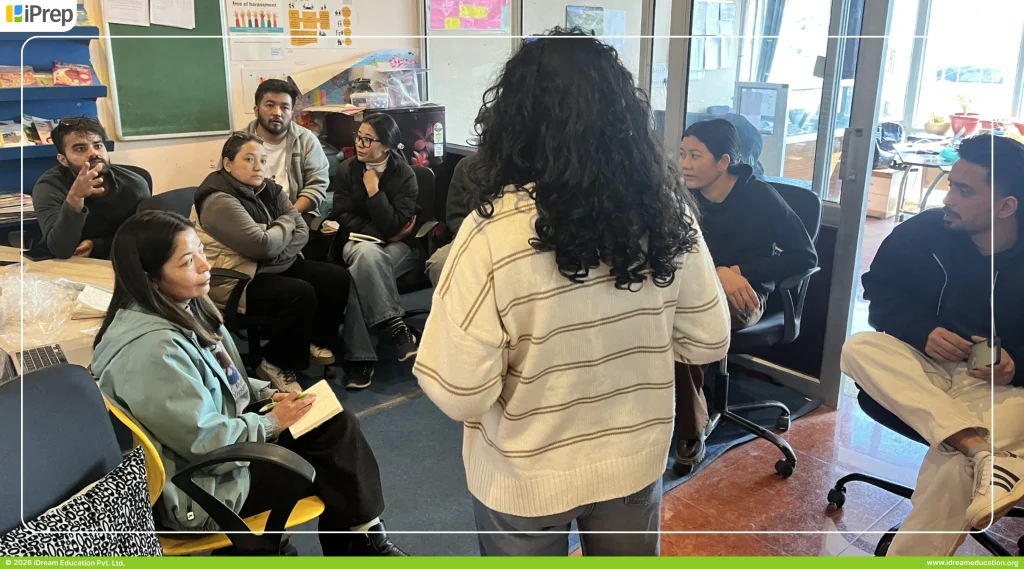
There were also many conversations beyond technology, about the students, the schools, the journeys across difficult terrains, and the realities of delivering education in such regions. It was inspiring to see how deeply connected the foundation team was with the end users. Their understanding of local needs helped shape several implementation decisions.
Prepared Teachers Before Introducing the Technology
Teacher training became one of the most meaningful parts of the deployment. On the first day, the sessions focused on helping teachers understand:
- The purpose of the initiative
- How the setup would function
- How students would access PAL app
- The importance of regular usage
- How adaptive learning could support classroom teaching, address historical learning gaps, and improve grade level proficiency.
Instead of focusing only on technical instructions, the discussions centered around classroom usage, student engagement, and ease of adoption. The collaborative environment made teachers comfortable with the system from the beginning.
The Excitement of Handing Over Tablets and Starting Digital Learning
The third day of implementation brought a completely different kind of energy. Teachers received the tablets, learned how the Raspberry Pi setup worked, and understood how students could access the software without internet connectivity. The sessions also included activities, walkthroughs, interactions, and moments of appreciation.
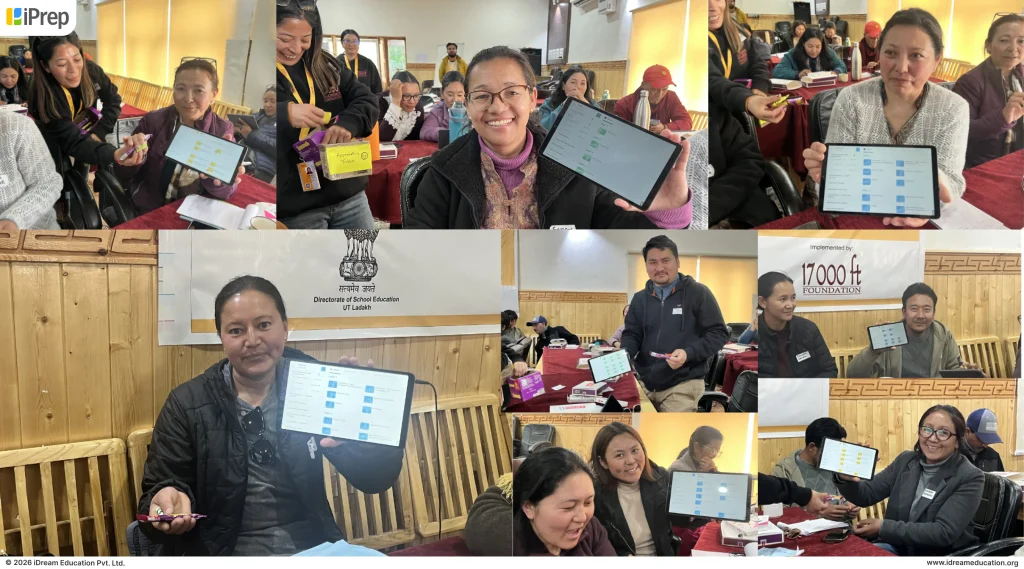
One particularly memorable experience was when teachers themselves used the PAL software to assess their foundational understanding across different subjects. We were genuinely amazed to see most teachers achieve mastery in one go. Despite teaching in regions with limited educational resources and difficult geographical conditions, their conceptual understanding, dedication, and willingness to learn stood out strongly.
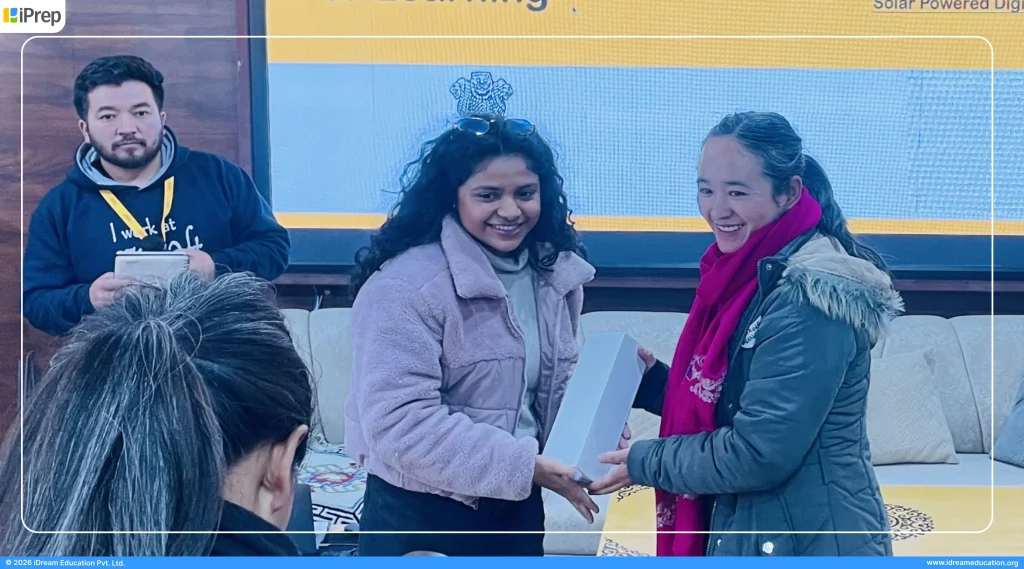
The second session of the third day focused on teacher appreciation, where educators were recognized with certificates and appreciation tokens for training completion.
One of the Biggest Learnings From This Initiative for Everyone Planning EdTech Enablement Is:
Educational technology models cannot follow the same structure everywhere. Schools located in remote terrains require flexible, localized, and practical implementation approaches. This offline adaptive learning model demonstrated how technology can become more accessible when designed around actual ground realities rather than ideal conditions. It also highlighted the importance of:
- Offline accessibility
- Low-bandwidth implementation
- Teacher enablement
- Co-creating education programs with Foundation/NGO
- Continuous support systems
Most importantly, it showed that learning continuity becomes possible when implementation models are built with focus toward regional challenges.
What This Experience Taught Us About Education Access
This initiative in Leh and Kargil is much more than a digital deployment project. It became an experience that helped us understand the realities of delivering education in geographically challenging regions. It showed how meaningful implementation requires people who are willing to travel long distances, understand school realities closely, continuously support teachers, and adapt solutions based on local needs.
The initiative also demonstrated how collaborative implementation models: involving foundations, schools, teachers, and technology teams together, can make digital learning more practical and sustainable for underserved regions.
It has now been around three months since the implementation began, and the schools have already recorded over 90+ hours of usage on the iPrep PAL platform. Seeing students and teachers actively engage with the offline adaptive learning model in such challenging terrains has been encouraging for everyone involved. As the implementation continues to implement and expand in phases, we look forward to seeing even deeper classroom usage, stronger learning continuity, and the possibility of reaching many more schools across similar remote regions in the future.