

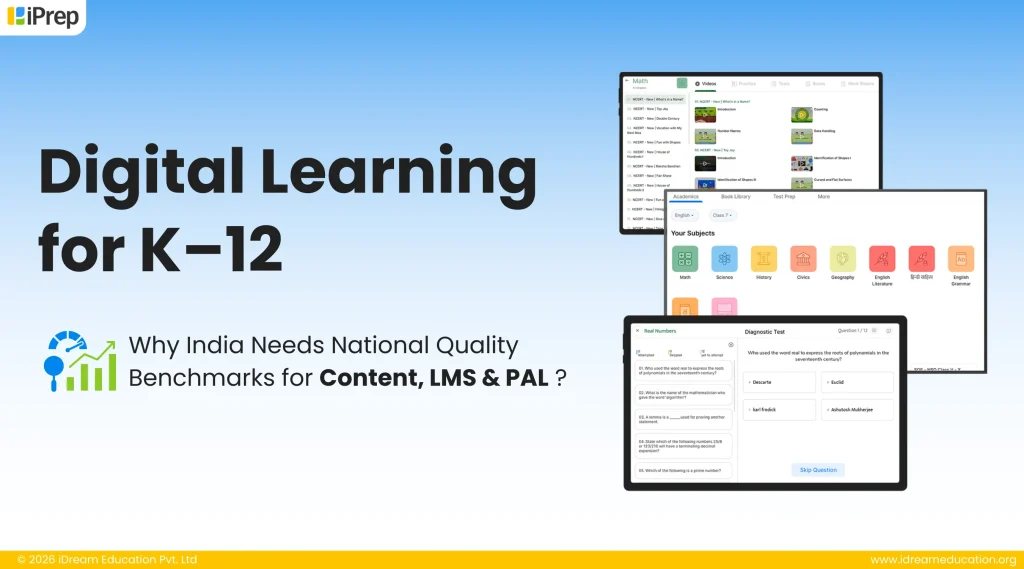
India’s digital education ecosystem has grown rapidly over the last decade. From Learning Management Systems (LMS) to digital content, to Personalized adaptive platforms (PAL), and classroom technologies, schools and governments today have no shortage of options. Yet, one fundamental question remains largely unanswered: how do we define and measure “quality” and “standards” in digital learning solutions?
What we have observed happening, over the last two decades in the name of “digital content” or an “LMS,” almost anything is being deployed – particularly in government schools where scale is large and scrutiny is often limited. So, what is actually happening?
- Recorded videos of one teacher being played for another teacher’s classroom are passed off as digital pedagogy.
- Static PDFs are converted into videos and labelled as engaging content.
- Applications with no meaningful learner tracking, no usage analytics, and no feedback loops are still called LMS platforms.
These are not isolated exceptions; they are patterns that have repeated themselves across states and programs.
The consequences of this lack of quality definition are serious.
Solutions that neither support teachers nor engage students inevitably see low or zero usage. Public funds are spent, infrastructure is installed, reports are submitted – but learning outcomes remain unchanged. Over time, this not only leads to wastage of resources, but also erodes trust in digital education itself. Teachers become skeptical, project administrators become cautious, and students disengage from what was meant to empower them.
One of the best ways to resolve this is to have basic minimum quality benchmarks across the country. Benchmarks that define:
- What genuinely qualifies as digital learning content
- What makes an LMS pedagogically and operationally meaningful
- What truly constitutes an effective adaptive learning platform.
Such benchmarks should act as a minimum quality filter. This ensures that wherever digital learning solutions are implemented for K–12 – whether it is for content libraries, platforms, or full-fledged LMS deployments – certain non-negotiable standards are met.
What Should Count as Basic Minimum Quality Benchmarks for Digital Content, LMS & PAL?
| Problem | Suggested Benchmark needed |
| A significant portion of digital education initiatives in India remains hardware-centric, focused on device distribution, screen installations, and infrastructure deployment. For stakeholders driven by hardware sales or quick monetization through basic content and LMS bundles, robust quality benchmarking poses a challenge. As a result, the ecosystem continues to measure success by what is supplied, not by what improves learning. | National benchmarks must explicitly shift evaluation from infrastructure to classroom impact. Digital content and LMS platforms should be a core part of digital education initiatives. Plus, should be assessed on the basis of teacher usability, student engagement, conceptual clarity, and learning outcomes. Only when quality standards prioritize educational impact over physical deployment can India move from digital enablement to meaningful digital learning. |
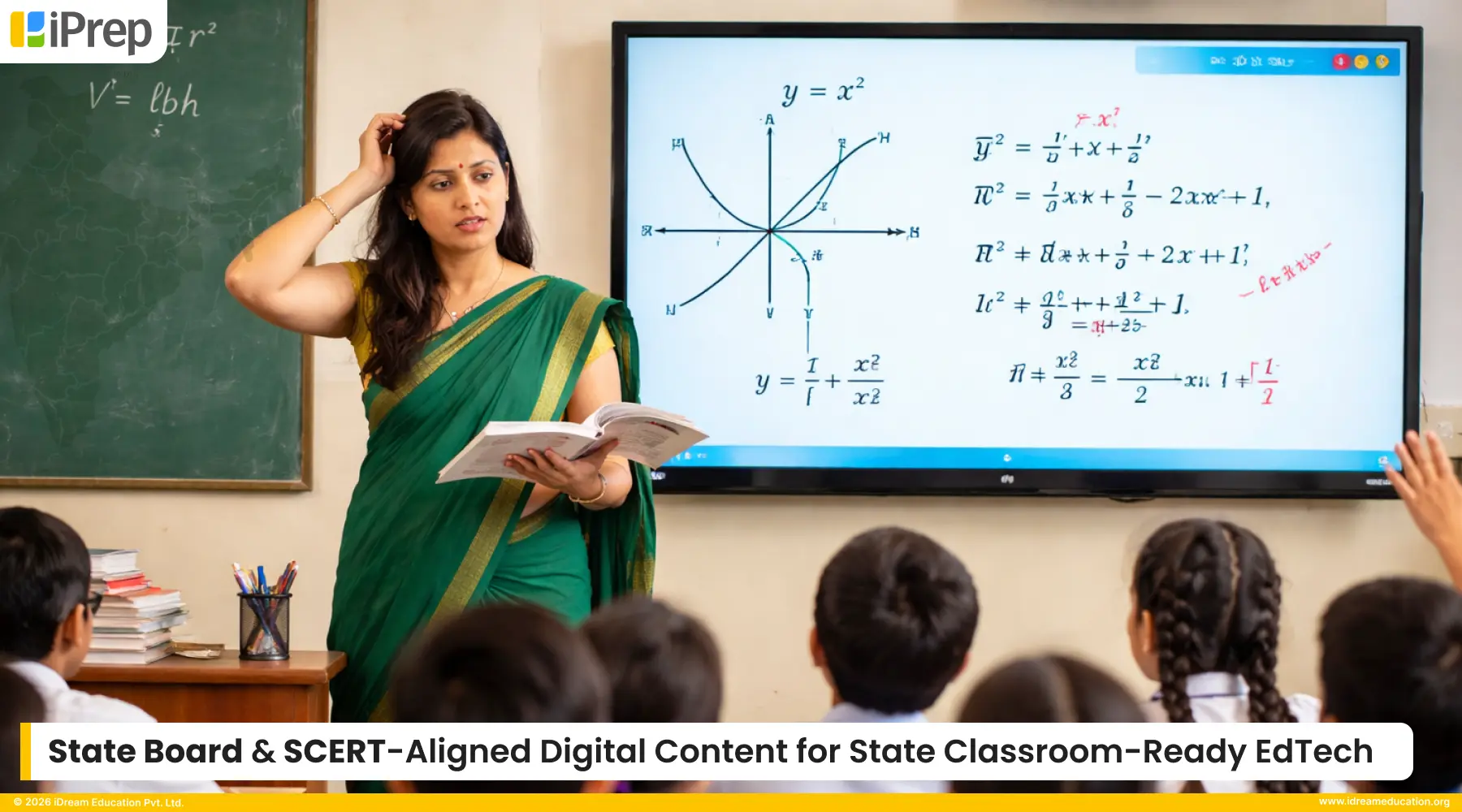
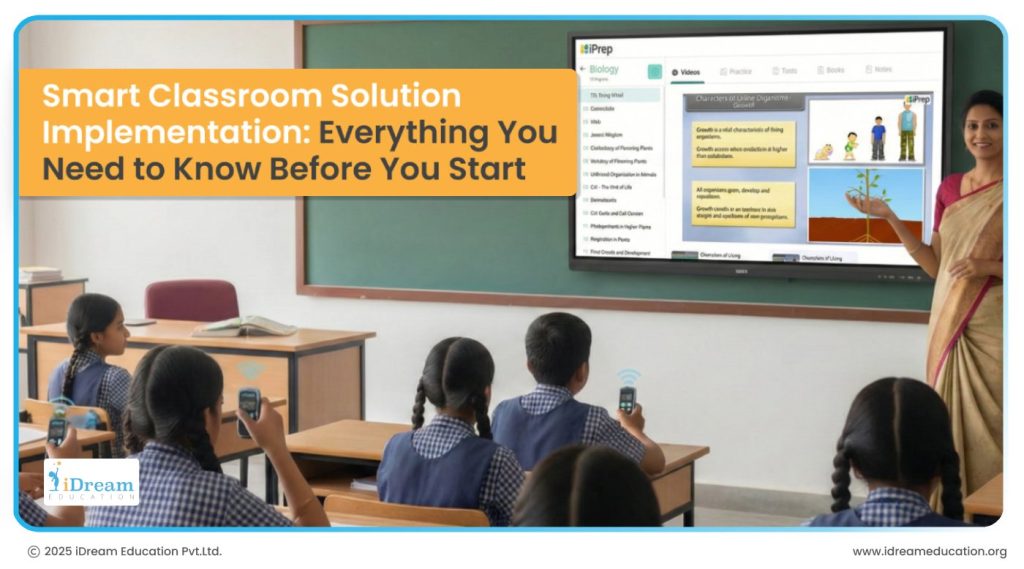
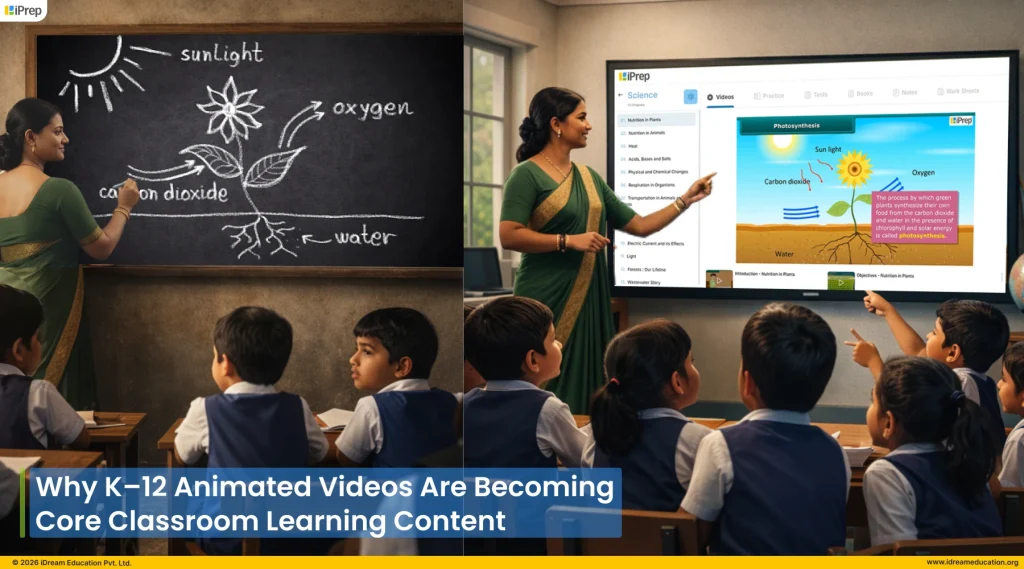
| In a smart classroom, the teacher is already present. She does not need another teacher speaking from a screen. Replacing one lecture with another recorded lecture does not enhance teaching – it merely digitizes it. | What teachers truly need is high-quality supplementary content, especially animated video lessons that support their teaching rather than compete with it. Well-designed animations can simplify complex concepts, visualize abstract ideas, and connect lessons to real-life contexts that are otherwise difficult to demonstrate in a classroom. This is where digital content adds real pedagogical value. This helps them make teaching more engaging, more intuitive, and more memorable for students. |
| Even when content is visually appealing, learning often stops at consumption. Many digital classroom solutions offer little or no scope for practice, interaction, or immediate feedback during the lesson. | Quality digital content must be paired with interactive practice questions, particularly classroom-friendly topic aligned quizzes. While teachers may not conduct formal assessments inside a smart classroom, they can meaningfully reinforce learning through short, animated, play-based quizzes. These allow teachers to quickly check understanding, involve every student, and turn revision into an engaging activity rather than a test-like experience. |
| Most digital learning solutions are evaluated, if at all, only at the time of procurement or deployment. Once implemented, there is limited visibility into how the platform or content is actually being used in classrooms, whether students are engaging meaningfully, or whether learning outcomes are improving over time. Usage data, learning signals, and classroom adoption patterns are either not captured or are presented in fragmented, non-standardized formats—making it difficult for decision-makers to draw actionable insights. As a result, monitoring remains reactive, and opportunities for course correction, teacher support, or content improvement are often missed. | What is needed is to move beyond one-time quality validation and mandate evidence of impact and continuous improvement. This includes clearly defining what learning usage, engagement, and progression data must be captured and how it should be reported through standardized, easy-to-interpret dashboards. Benchmarks should specify indicators that allow stakeholders to assess not just LMS activity, but pedagogical effectiveness, learner progression, and classroom-level adoption. |
Therefore, any minimum quality benchmark for digital classrooms including digital content, LMS and PAL should clearly state:
- Digital content must be pedagogically purposeful. It should be designed to support the teacher in the classroom through concept-driven animated explanations, real-life contextualization, and age-appropriate visual learning. It should not be just substituting classroom instruction with recorded lectures.
- Student engagement must be built into the design, with interactive elements such as quizzes and practice activities. This enable active participation, reinforcement of concepts, and classroom-friendly learning experiences instead of passive content consumption.
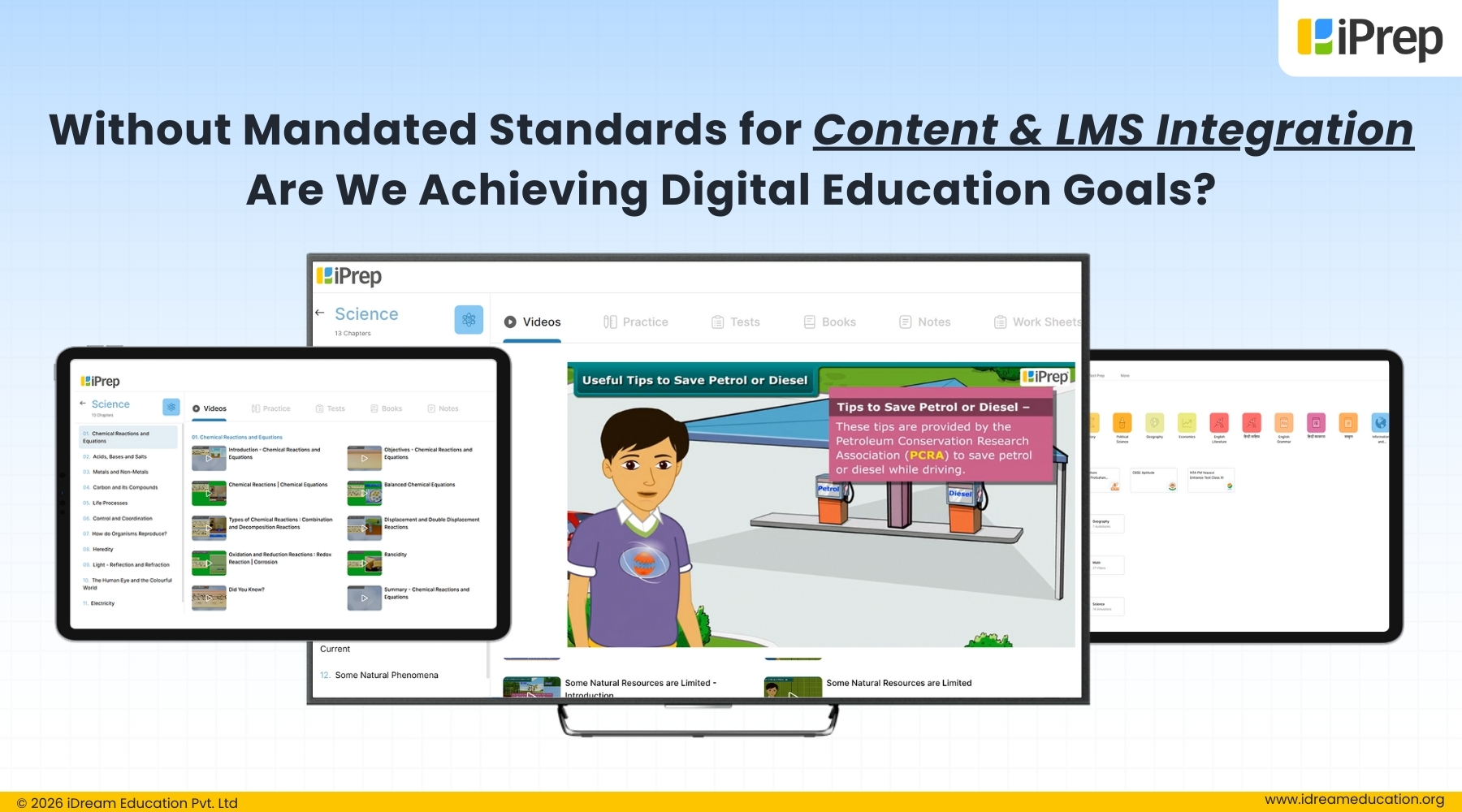
- LMS platforms must go beyond basic access and content hosting, and demonstrate meaningful functionality. This should include structured learning flows, classroom adoption support, and the ability to capture reliable usage and learning data.
- PAL systems must show evidence of personalization, including adaptive pathways based on learner performance, continuous feedback loops, and measurable learner progression over time.
- Independent and objective quality evaluation must be non-negotiable. This should have clear criteria for assessment, usage monitoring, progress, and outcomes, rather than self-declared claims of effectiveness.
- Evidence of impact must be continuously generated, through standardized dashboards that tracks usage, engagement, case stories, academic outcomes, and classroom adoption in a clear and consistent manner.
- Decision-support insights must be embedded, enabling stakeholders to identify learning gaps, teacher training needs, and content effectiveness. This is needed to shift the focus from reactive monitoring to continuous improvement.
Only when these basic minimum benchmarks are clearly defined and consistently applied can India move from fragmented digital deployments to coherent, high-impact digital learning ecosystems.
What Should National Quality Benchmarks Be Based Upon?
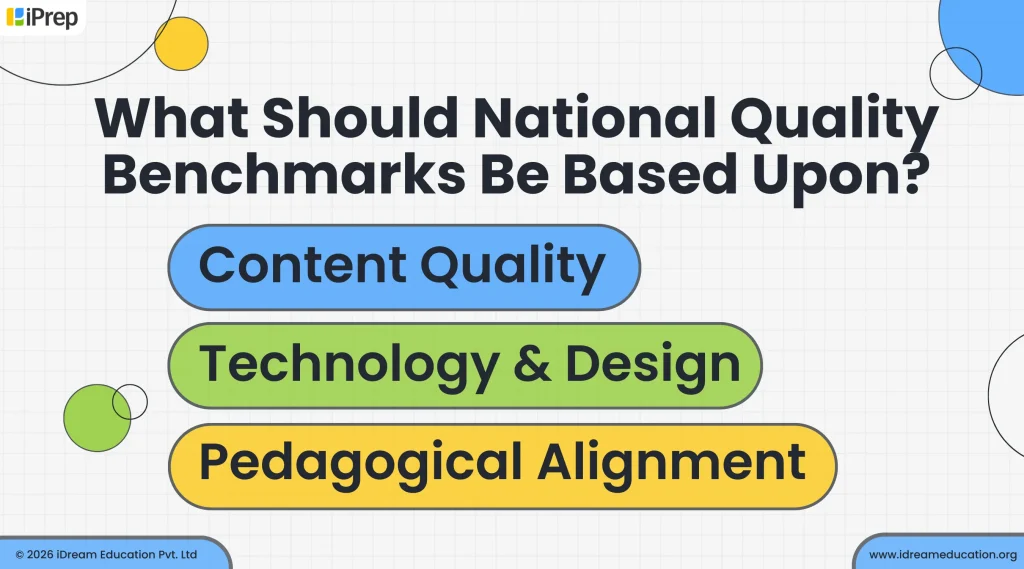
- Content Quality: This dimension must assess the integrity and relevance of the learning material itself. Benchmarks should check for accuracy of concepts, clarity of explanations, and alignment with prescribed curricula and learning outcomes. Content should be age-appropriate, contextually relevant, and inclusive, reflecting diverse learner needs and classroom realities. Explanations, examples, real life connections, practice questions, and assessments must be factually correct, conceptually sound, and designed to support comprehension rather than rote consumption.
- Pedagogical Alignment: Beyond correctness, benchmarks for digital content must evaluate how well the content enables learning. This includes alignment with sound pedagogical principles such as constructivist learning, logical scaffolding of concepts, and progression from understanding to application. Quality benchmarks should look for opportunities for student practice, timely feedback, and meaningful engagement. Equally important is how well the solution supports teachers through lesson integration, classroom usability, and tools that help them adapt instruction based on student needs.
- Technology & Design: Technology should act as an enabler, not a barrier. This benchmark for LMS and PAL should assess whether the platform’s interface, navigation, and interactivity are intuitive, accessible, and classroom-friendly. Benchmarks must consider universal design principles, multilingual support, ease of use for teachers and students, and the ability of the platform to function effectively in varied infrastructure conditions. Good design should enhance focus, reduce cognitive load, and enable meaningful digital learning rather than distract from it.
From Benchmarks to Collective Action
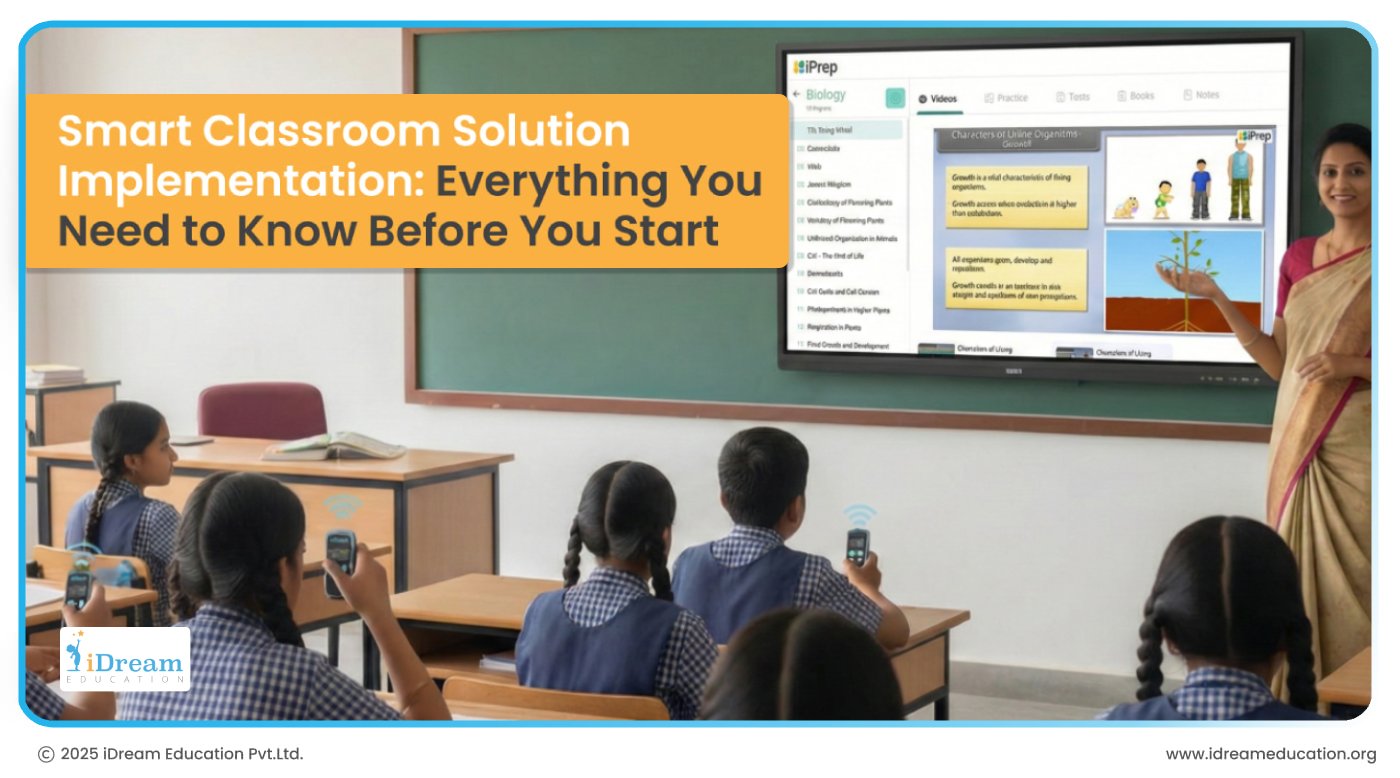
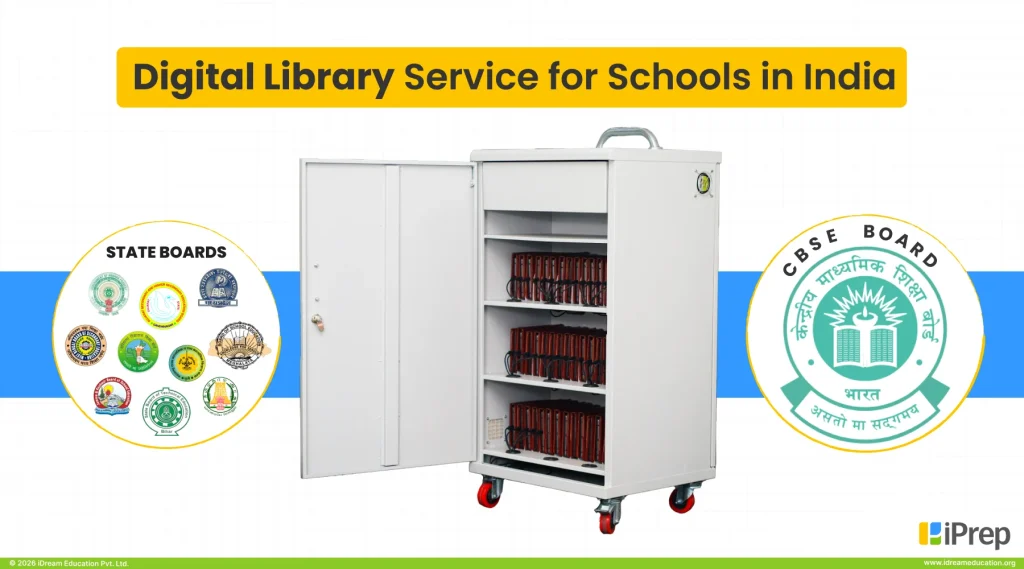
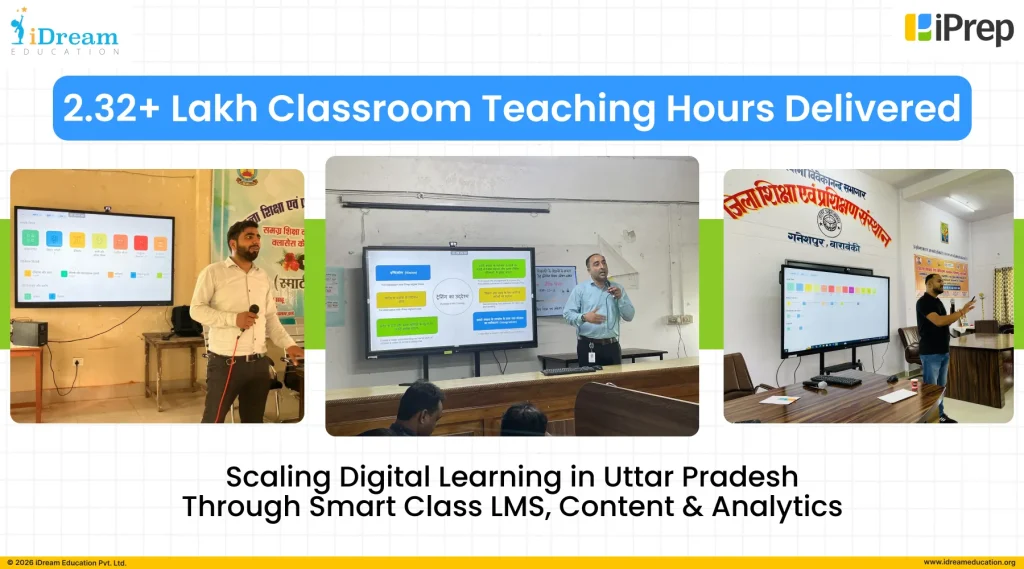
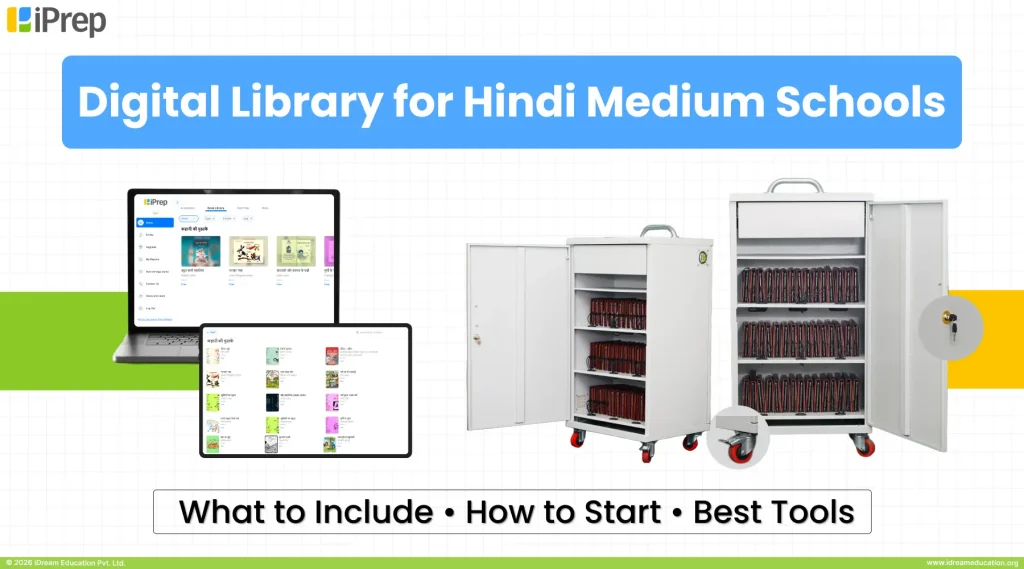
As a country, the reality is that smart classrooms primarily depend on digital content, while ICT and digital libraries are largely driven by LMS and PAL platforms. These solutions are already in widespread use across schools and programs. What India urgently needs is not more deployment, but clear, basic quality benchmarks. It should define how these solutions must perform in real learning environments.
Achieving this cannot be the responsibility of any one stakeholder alone. What the country now needs is a collective effort. NGOs, CSR organizations, government departments, and technology solution providers must come together to identify and agree upon minimum national quality benchmarks. Benchmarks that ensure content accuracy and inclusivity, strong pedagogical alignment, effective teacher and learner support, thoughtful technology design, and continuous evidence of impact. Only through such shared ownership of quality can India ensure that digital content, LMS, and PAL solutions consistently deliver educational value, regardless of where they are implemented or at what scale. This collective approach is essential to move the ecosystem from fragmented digital deployments to coherent, learning-first digital education systems that truly serve students and teachers across the country.
Institutionalising Quality Benchmarks for Digital Content & LMS at the National Level
Once such minimum quality standards are collaboratively defined by the ecosystem, it may become essential for the Government of India to adopt and formalize them as national quality benchmarks. As the country steadily moves towards the vision of Viksit Bharat 2047, having these benchmarks in place is critical. This will ensure that digital learning investments translate into real educational value. Without a clear quality framework, there is a real risk that digital education will remain hardware-led. Devices and infrastructure may be deployed, but solutions will be implemented in an ad-hoc manner.
As this discussion comes to a close, it is important to acknowledge that very few initiatives in India are actually addressing this quality gap head-on.
One such inspiring effort is EdTech Tulna, an initiative by IIT Delhi, which focuses on establishing and evaluating basic quality standards for digital learning solutions. EdTech Tulna has already done the heavy lifting by developing a comprehensive and rigorous evaluation framework for digital content and LMS platforms. This framework goes well beyond surface-level features. Its benchmarks examine pedagogy, curriculum alignment, learning outcomes, usability, and inclusivity. This offers a depth of assessment that is largely missing in mainstream procurement and implementation processes. In many ways, EdTech Tulna has already laid the foundation for what national-quality standards for digital learning in India could and should look like.
PS: iPrep LMS and Digital Content is EdTech Tulna evaluated and stands for best of quality standards in EdTech
We look forward to engaging in meaningful conversations with industry stakeholders, policymakers, and implementers. Through these discussions, we will share our ground-level experiences and insights on why India urgently needs national quality benchmarks for digital content and LMS. To contact us, you may connect with us at +91 7678265039 or write to us at share@idreameducation.org. You can also share your details here
Categories You may Explore
Related Articles