What We Saw During a Smart Class Implementation at a Small Rural School in Nanjalur, Tamil Nadu
Nanjalur in Tamil Nadu is a small village surrounded by open land and forest areas. In the middle of the village stands a government school that has been serving children from nearby communities for many years.
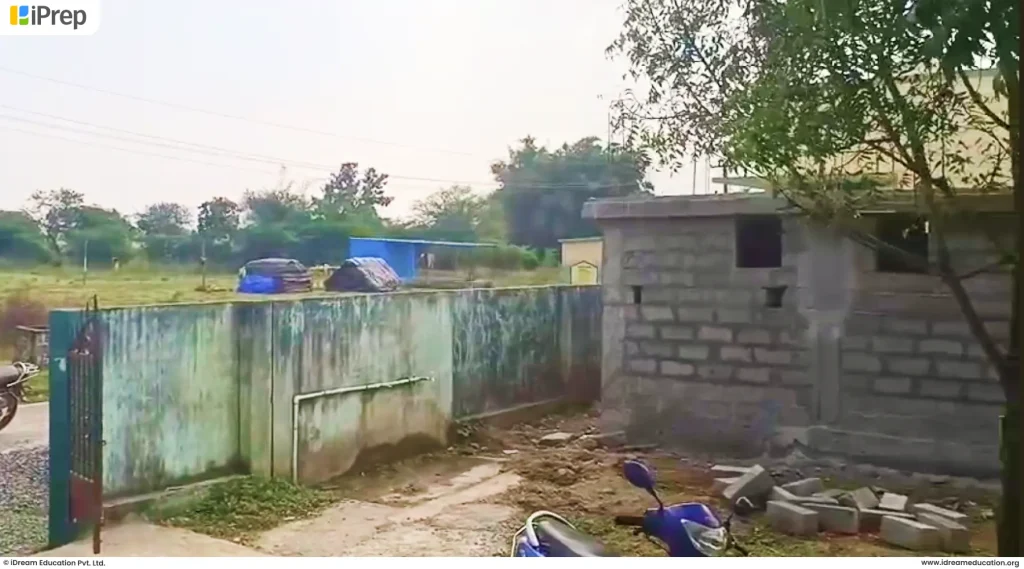
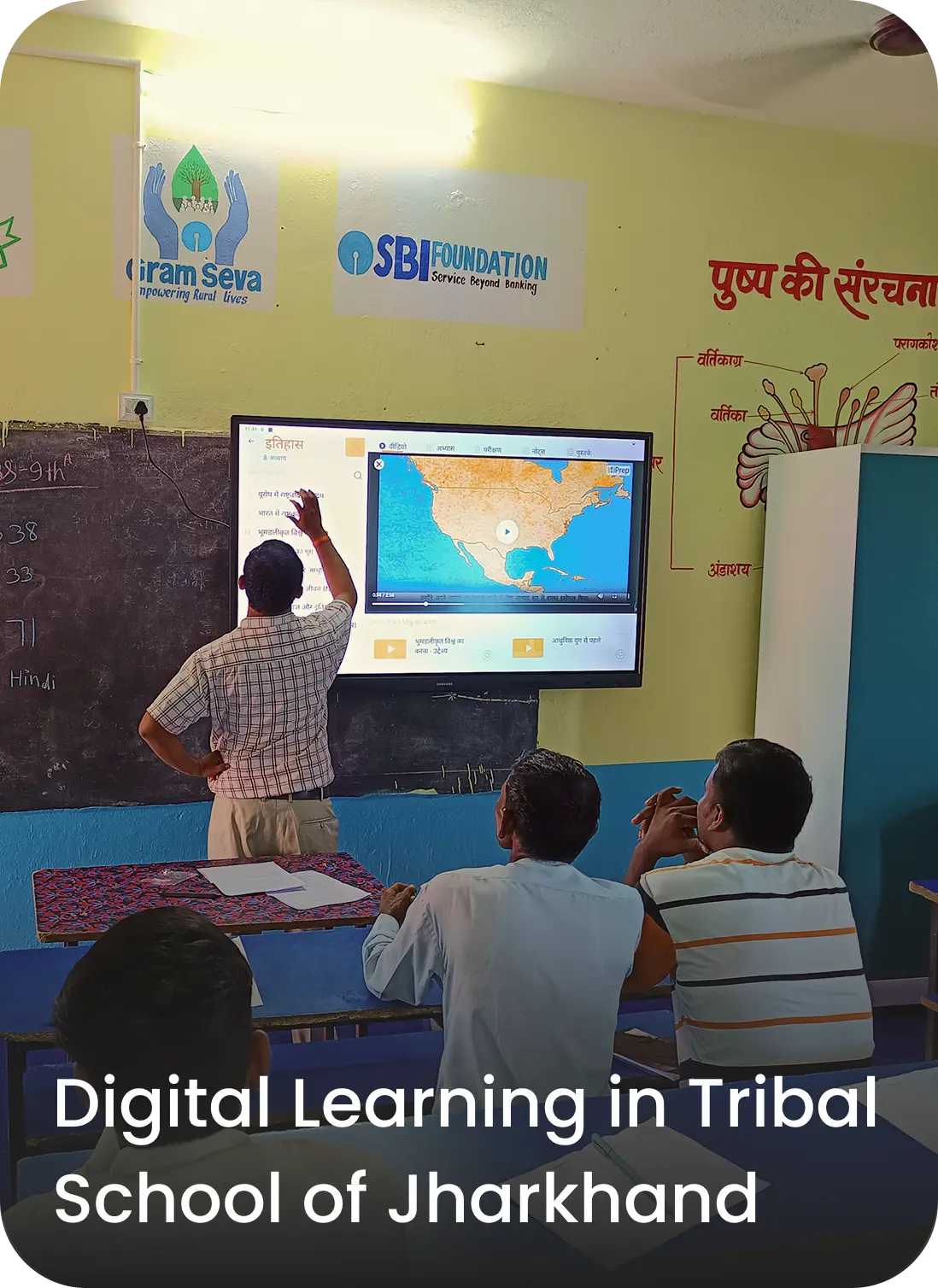
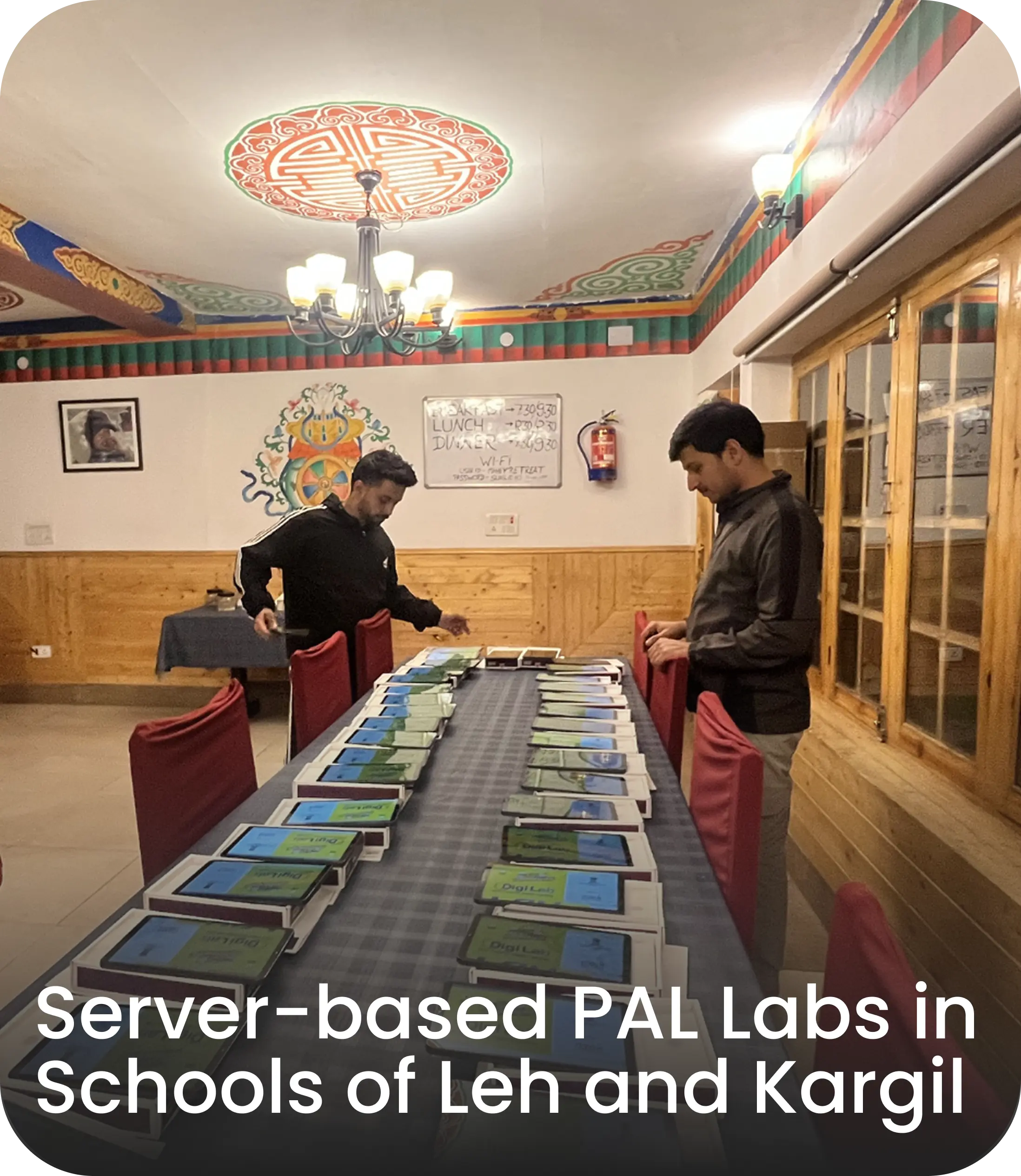
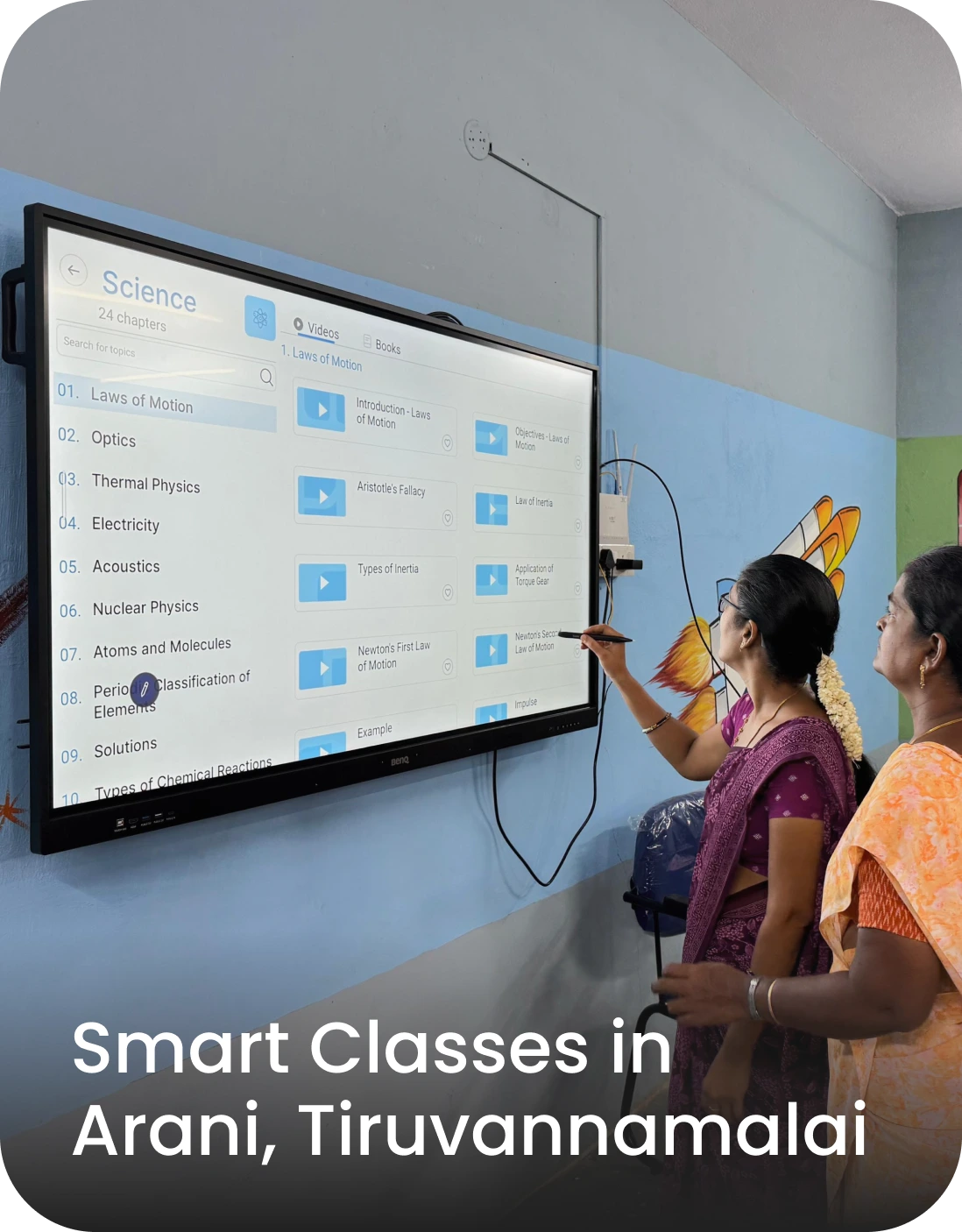
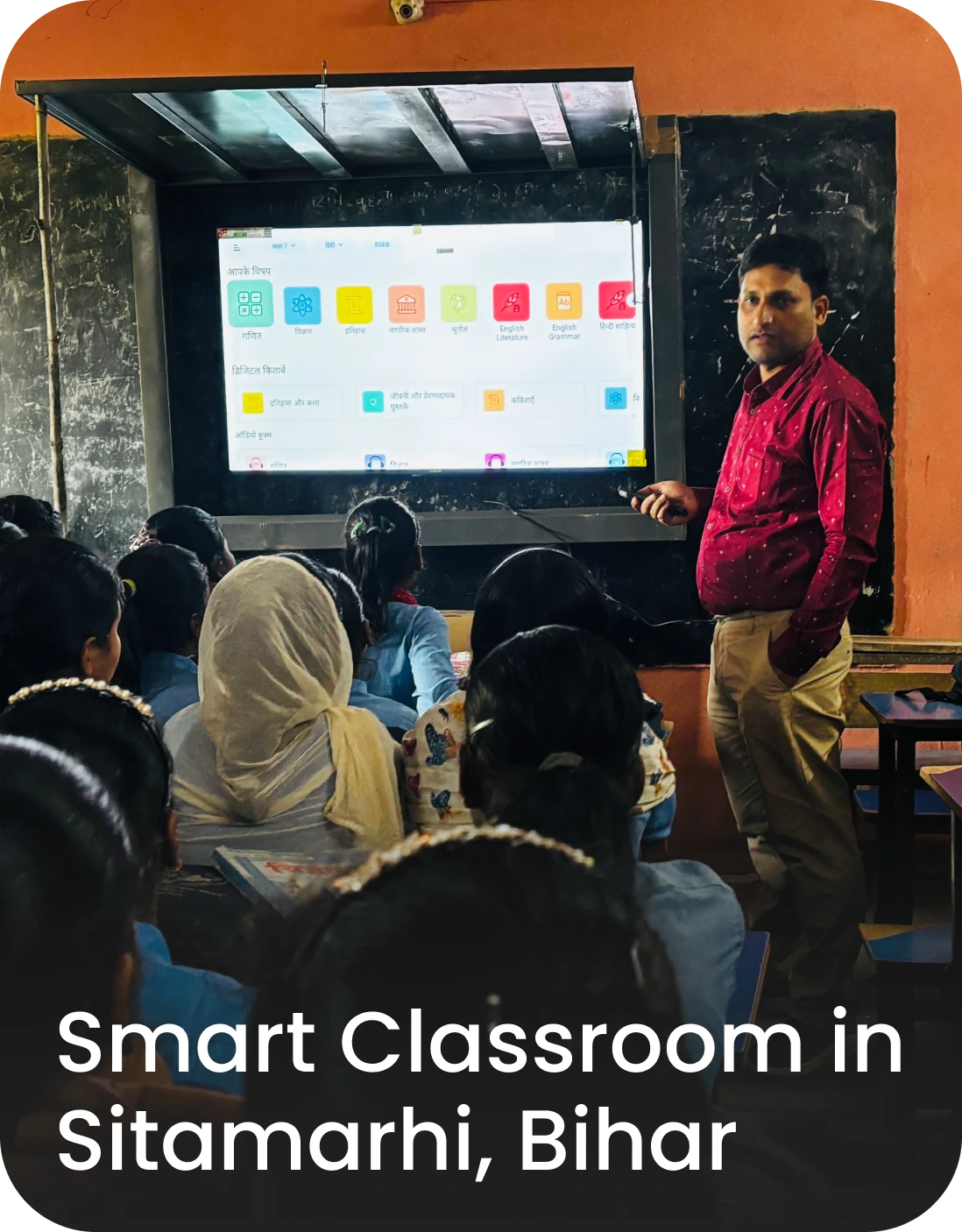
Our team visited this school during the implementation of a Smart Class setup under a CSR-supported digital education initiative. Across this larger program, 131 Smart Classes were implemented in multiple phases in remote schools across Delhi, West Bengal, Karnataka, Tamil Nadu, and Maharashtra. Every school had its own challenges and stories.
But this particular smart class implementation experience stayed with us.
When we reached the school, renovation work was already going on. Parts of the building were being repaired and repainted. Classrooms were temporarily affected because of the construction work.
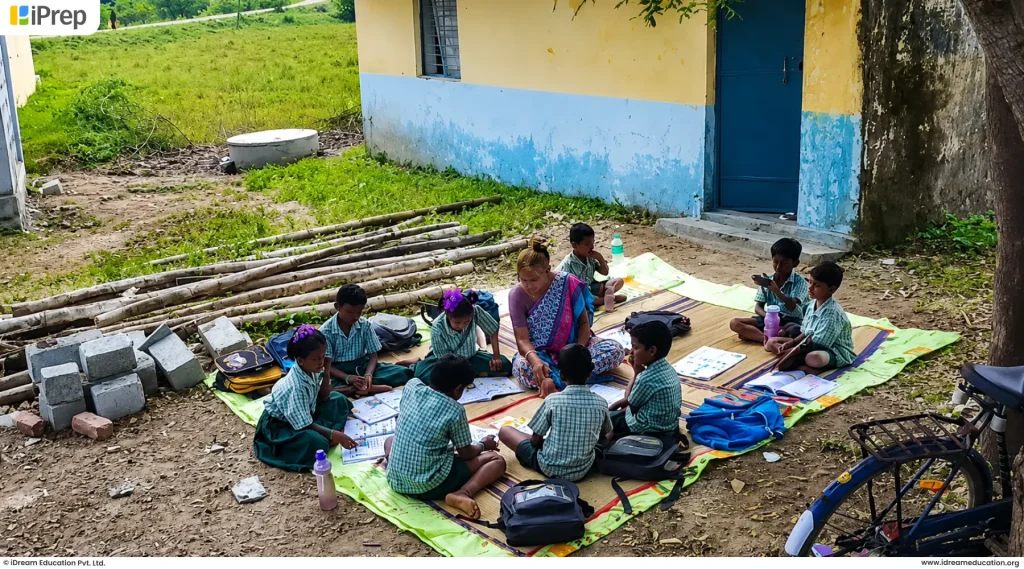
Yet, the school was running. Outside the building, nearly 40 students were sitting together with their school bags while two teachers conducted classes in the open area near the main gate of the schools. Teaching had not stopped. Learning had not paused. That scene said a lot about the reality of many rural schools.
During our interaction, teachers shared that the school once had a much larger student strength. Over the years, many families from the village had moved to cities in search of work, and several children shifted to urban schools. Today, most of the students studying here belong to farming families living in and around the village.
Even with limited infrastructure and fewer resources, the teachers continued managing multiple grades together and ensuring that classes happened regularly.
As part of the implementation, a Smart Class setup was introduced to support classroom teaching with digital learning content. Students were given access to Tamil board aligned digital content which includes animated video lessons, syllabus books, chapter summaries, practice question banks and a lot more in both Tamil and English to make concepts easier to understand and classroom teaching more engaging.
For many children, this was their first experience learning through digital content inside their school.
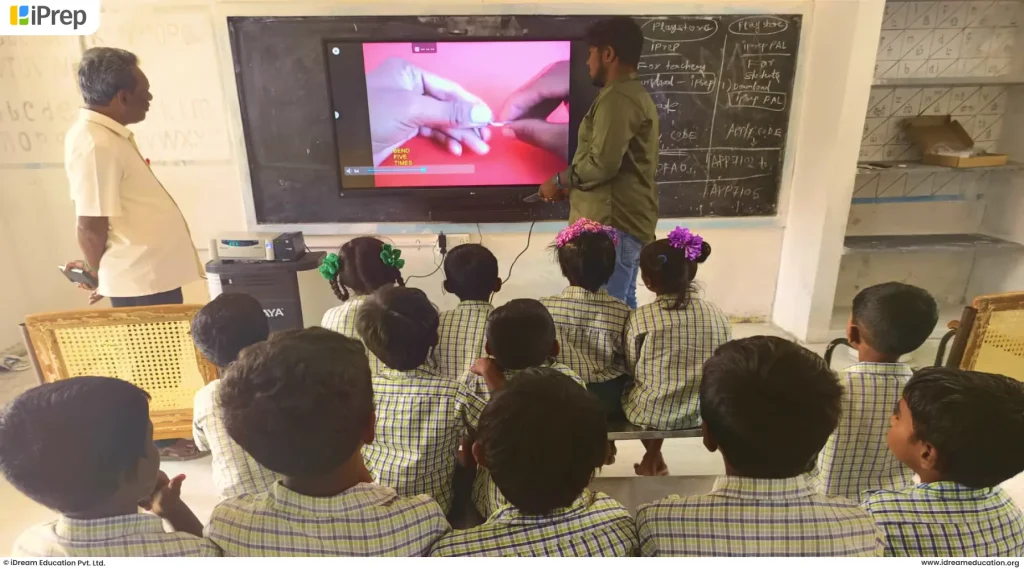
And their reactions were unforgettable. The moment animated lessons started playing on the screen, students became deeply attentive. They watched carefully, responded quickly, and showed genuine curiosity throughout the sessions.
A few months after smart class implementation, another encouraging pattern emerged.
Teachers had started integrating digital learning into their everyday classroom teaching practices very naturally.
As reflected in iPrep’s reporting dashboard, one of the teachers in the school was actively using digital content across Classes 3, 4, and 5 almost equally, with usage distributed at 32%, 35%, and 32% respectively. This clearly showed that the Smart Class was being integrated across multiple grades rather than being limited to just one class. Additionally, the subject usage is also diverse. Science accounted for 38% of usage, followed by Social Science at 30%, English Literature at 18%, and Mathematics at 11%.
This reflected something important: when teachers receive practical support and relevant content in local contexts, learning becomes flexible enough to support multi-grade and multi-subject teaching environments, especially in smaller rural schools.
Beyond the numbers, what truly stayed with us was the commitment of the teachers.
Despite ongoing renovation work, limited classroom space, and the everyday challenges that many rural schools face, they continued showing up for their students every day. They adjusted, adapted, and kept the learning environment alive. This experience from Nanjalur reflects an important reality seen across many rural schools in India.
For us, Nanjalur smart class implementation is not just another implementation visit. It was a reminder that when schools receive the right support at the right time, along with patience, planning, and continuous handholding, even small rural schools can create positive and engaging learning experiences for children.