

Updated: In 2026, the question is no longer “Should we buy a smart class?” but “How do we buy the right one?”
In an era where technology defines the pace of learning, classrooms that once relied solely on chalk and talk must now evolve into dynamic, interactive environments that inspire curiosity, deepen understanding, and prepare students for a rapidly changing world.
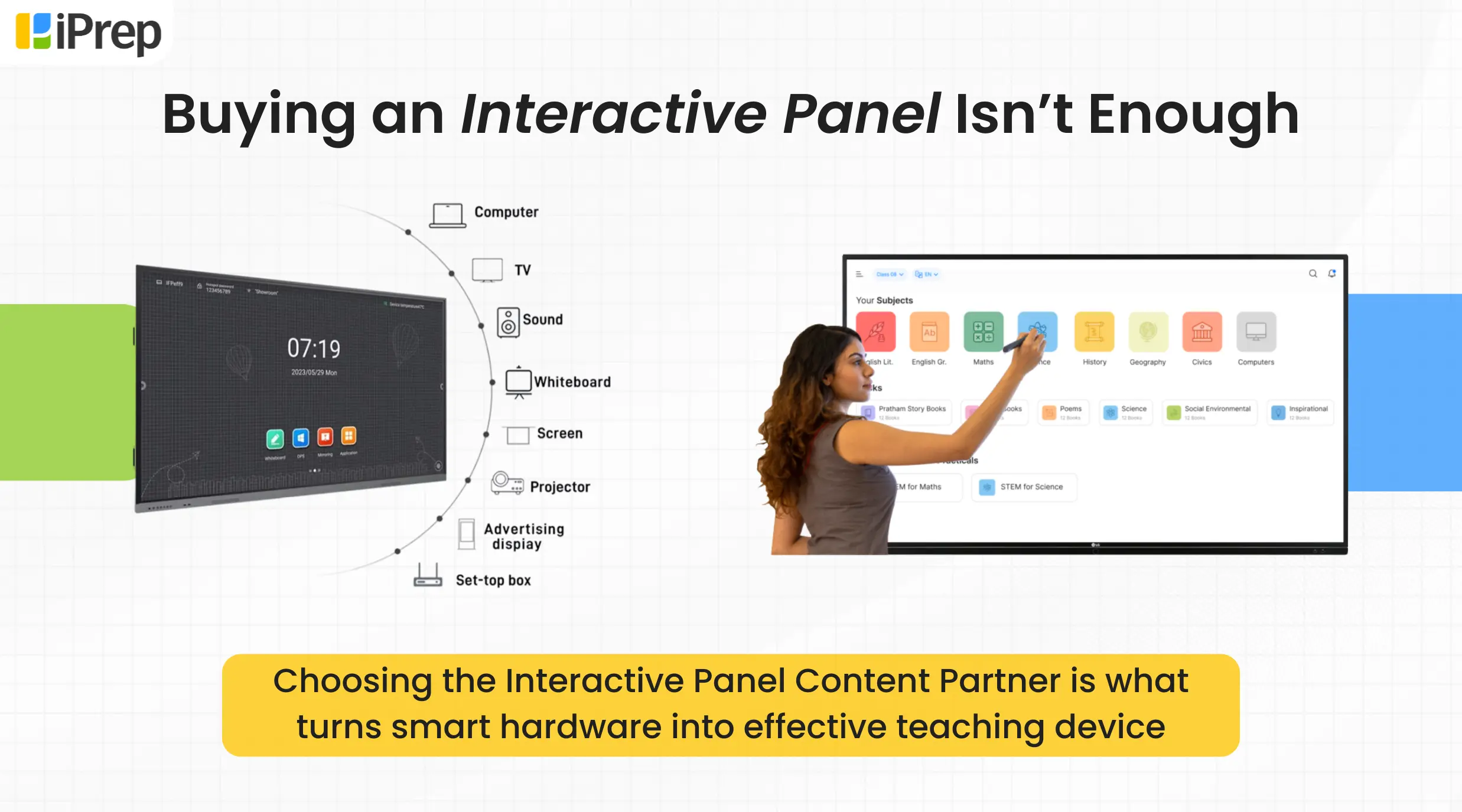
Yet, despite the buzz around digital classrooms, many schools still struggle with the same dilemma: smart classes are often reduced to classroom hardware. Interactive panels, projectors, and screens get installed but the learning experience remains unchanged.
The real questions then become:
- Which features actually impact teaching and learning?
- What differentiates a meaningful smart class from a room full of devices?
- And how can schools ensure that technology enhances learning outcomes instead of becoming just another expensive gadget in the corner?
This guide isn’t about selling a product — it’s about empowering educational leaders with clarity, confidence, and a framework to buy smart, not just buy technology. Because in education, the smartest investment isn’t in technology itself — it’s in transforming how learning happens.
Beyond Screens and Panels: What a Smart Class Should Really Deliver
A truly effective smart class is not defined by the size of the screen or the brand of hardware installed – it is defined by what changes inside the classroom after installation. If teaching methods remain the same, student engagement doesn’t improve, and learning gaps persist, then technology has merely digitised the classroom, not transformed it.
In 2026, a smart class must function as a complete learning ecosystem, not a collection of disconnected tools. When schools set out to buy a smart class, the focus should shift from hardware procurement to classroom usability and learning impact.
A 21st century smart class solution should include:
- An offline-accessible, pre-installed Smart Class LMS that works seamlessly in low-connectivity environments, is bilingual, and intuitive enough for teachers to use confidently from day one.
- Preloaded, curriculum-aligned digital content mapped to NCERT, State Boards, or local curricula—designed across multiple content categories (concept videos, practice, assessments, enrichment) so teachers can adapt instruction for diverse learner needs.
- Usage and engagement reporting that helps schools track classroom adoption, teacher usage, and teaching patterns & adoption. This ensures accountability beyond installation which helps in data driven decision making to intervene or scale the solution
Hardware is only the entry point. The real value of a smart class lies in how seamlessly content, pedagogy, and technology come together to support everyday teaching and enable measurable learning outcomes.
Stakeholders that recognise this shift move beyond “installation projects” to “learning impact initiatives.” They begin asking sharper, more meaningful questions:
- Will this solution empower teachers, rather than overwhelm or replace them?
- Is the content academically aligned and classroom-ready, not generic or platform-driven?
- Can it perform in real classroom conditions limited periods, mixed student abilities, and varying levels of teacher digital confidence?
Only when these questions are addressed does a smart class become a strategic investment in learning – not just a one-time infrastructure upgrade.
Key Components to Evaluate Before Buying a Smart Class in 2026
Once stakeholders move beyond hardware-led thinking, the next challenge is knowing what to evaluate and what to ignore. With dozens of vendors offering similar-looking solutions, the difference between a successful smart class implementation and an underutilised one often lies in the details.
Before making a purchase decision, stakeholders must assess a smart class solution across six critical dimensions:
Seamless Hardware, LMS & Content Integration
A smart class should work as a single, unified system not separate hardware, software, and content layers stitched together. Interactive panels, displays, or projectors must be tightly integrated with the LMS and preloaded content aligned to school curriculum. This is needed to enable teachers to move from lesson selection/searching to directly choosing digital content and delivering lessons without switching platforms, logging in repeatedly, or troubleshooting in class time.
Academic Alignment & Content Depth
The foundation of any smart class is its content. Digital content must be curriculum-mapped, grade-specific, and pedagogically sound. Solutions that offer generic videos without structured learning paths often fail to integrate into daily lesson plans. Look for smart class content that complements textbooks, supports concept clarity, and offers remediation and enrichment.
Teacher Experience & Ease of Use
Technology adoption in schools succeeds only when teachers feel confident using it. A smart class solution you buy should be intuitive, classroom-ready, and low on dependency. Minimal training requirements, simple navigation, and quick access to relevant content matter far more than feature-heavy dashboards.
Offline Readiness & Infrastructure Compatibility
In real school environments, especially government schools, uninterrupted internet access cannot be assumed. A dependable smart class must be offline-first, capable of functioning smoothly despite internet connectivity constraints. Compatibility with existing classroom infrastructure is equally critical to avoid hidden costs when buying smart class.
Monitoring, Reporting & Accountability
What gets measured gets improved. Usage data such as frequency of use, content accessed, and class-level usage helps project administrators move from assumptions to insights. Reporting ensures that the smart class is not only installed, but actively contributing to teaching and learning.
Scalability & Long-Term Value
Buying smart class is not a one-year initiative. Schools should evaluate how easily the solution can scale across grades, & subjects for years with content updates, training support, and maintenance are built into the long-term roadmap.
By evaluating these components holistically, education stakeholders can avoid fragmented solutions and instead invest in a smart class that delivers sustained academic impact, teacher adoption, and real classroom value.
What We Offer When You Buy a Smart Class from Us
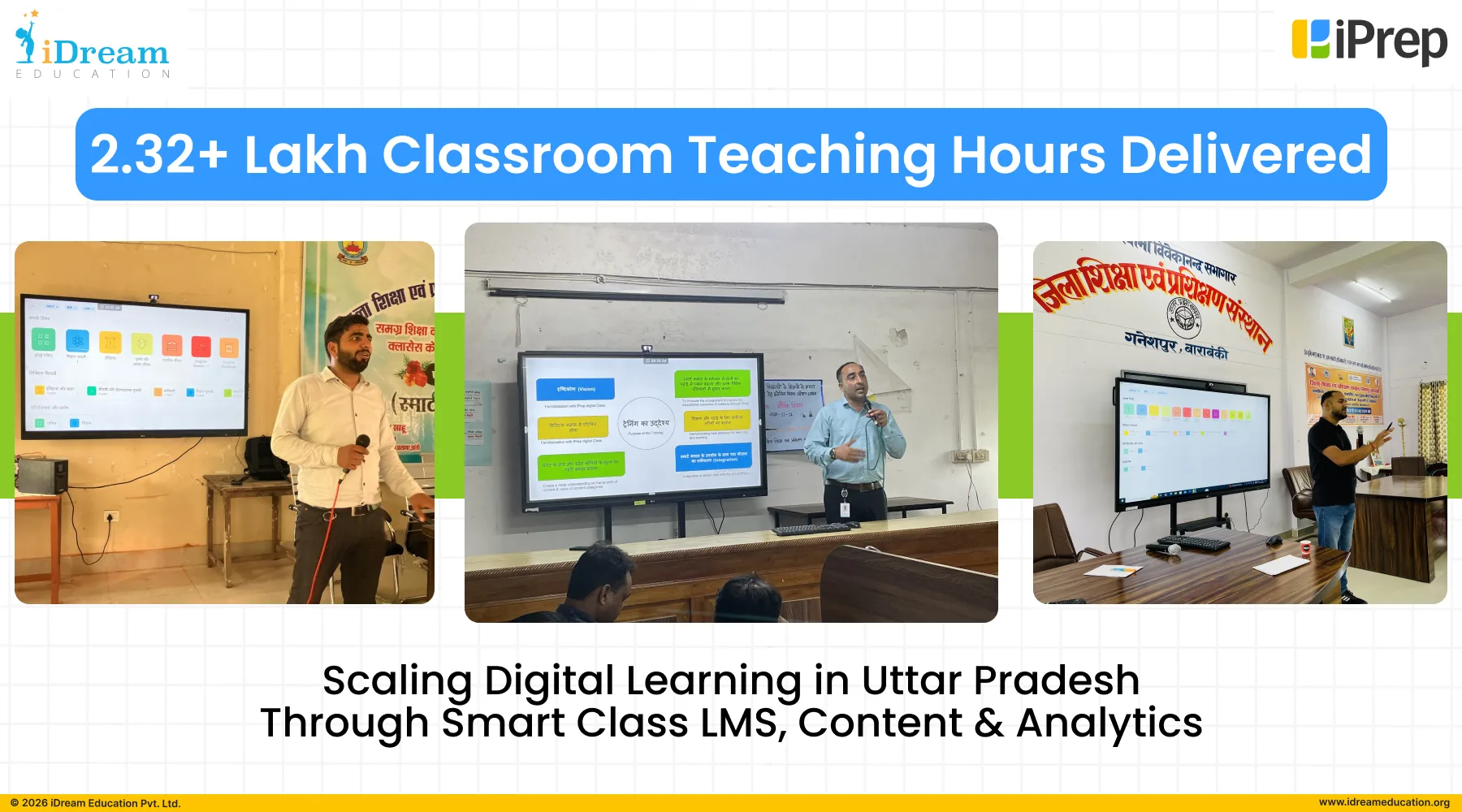
With nearly a decade of experience working closely with government schools, teachers, CSR initiatives, NGOs, system integrators, hardware partners, and CSR resellers, we’ve learned one critical truth: smart class hardware alone is never enough.
Across diverse geographies and real classroom conditions, we’ve seen that screens without support, content without context, and technology without teacher enablement rarely lead to learning impact. That’s why, when you buy a smart class from us, you don’t just get infrastructure – you get a complete, implementation-ready Smart Class solution designed for schools.
Our approach ensures that every smart class is planned, deployed, and sustained with learning outcomes at the core.
Here’s what our complete Smart Class solution includes:
Smart Class Hardware Basis Your Budget & Requirements
We help you select and integrate the right mix of classroom hardware such as Interactive Flat Panels (IFPs), projectors, interactive boards, classroom speakers, and accessories. This is based on classroom size, teaching style, project scale, and budget, ensuring optimal classroom usability and long-term value.
Pre-installed, Offline-Ready Smart Class LMS
A simple, bilingual LMS that works reliably even in low-connectivity environments, enabling teachers to access content and conduct classes without technical friction.
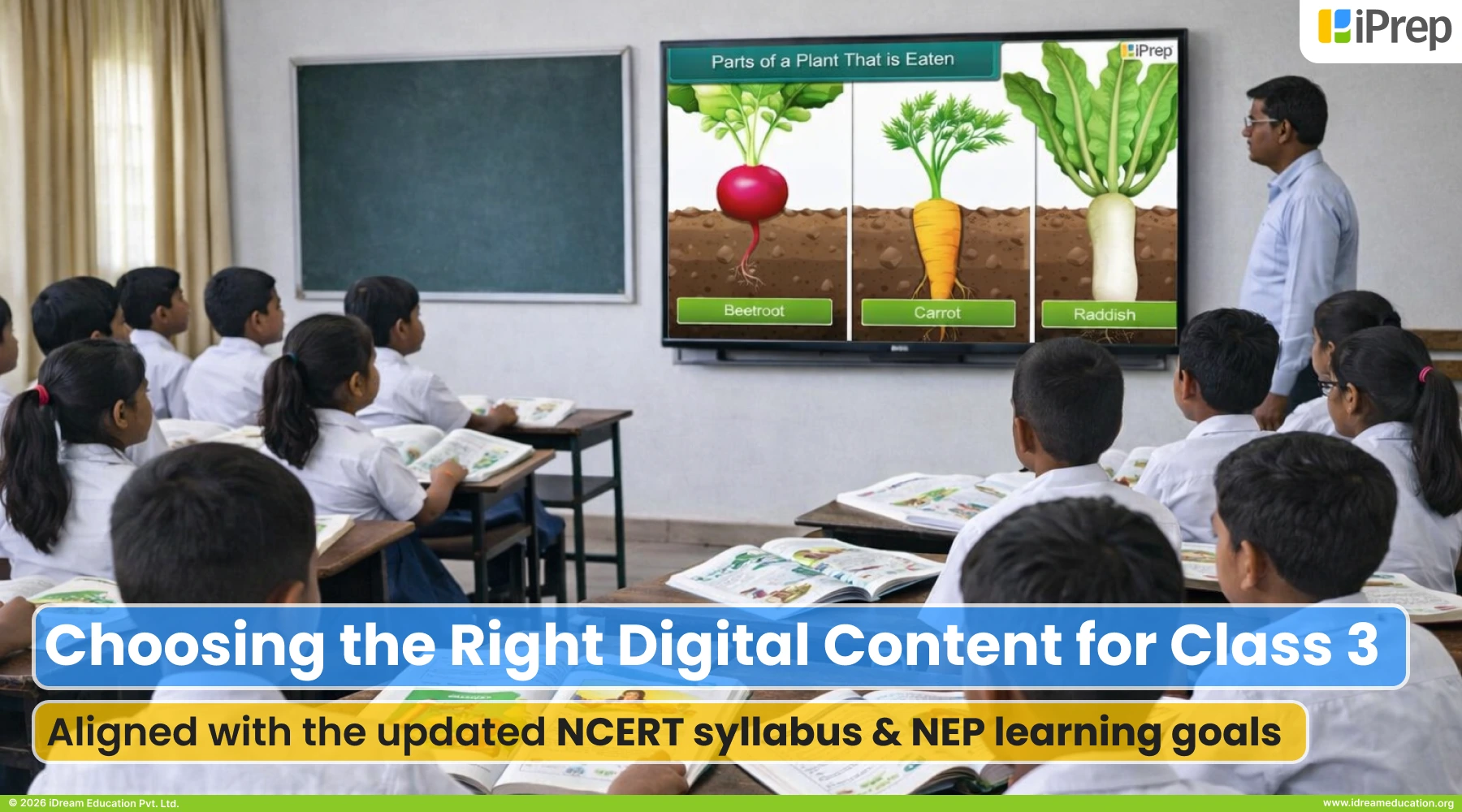
Preloaded, Curriculum-Aligned Digital Content
High-quality academic content aligned with NCERT and State Board curricula, delivered across multiple formats including animated video lessons, syllabus-based digital books, chapter-wise PPTs, practice modules, assessments, workbooks, and worksheets. This multi-format approach ensures strong concept clarity, continuous practice, targeted remediation, and meaningful enrichment for diverse learner needs.
Teacher Training & Classroom Enablement
We ensure structured onboarding, hands-on training, and refresher sessions to ensure teachers are confident, independent, and comfortable using smart classes in daily teaching.
Usage Monitoring & Impact & Reporting
Reporting feature of our smart class LMS records detailed data on classroom usage, subject-wise adoption. This is used by our team to identify engagement and adoption and the reports are shared with project officials. This helps our partners make data driven decision on scaling, improving, retraining, and more activities to enhance effectiveness and ROI.
Continuous Academic & Implementation Guidance
Our on ground team provides continuous support to teachers beyond installation. This helps us ensure sustained usage, course correction, and alignment with academic goals throughout the project lifecycle.
Technology-Enabled Assessments
We design and conduct digital assessments – whether as baseline assessments, periodic evaluations, or complete assessment cycles. This is aligned to the specific objectives and success metrics of your Smart Class project.
By combining hardware, LMS, content, training, assessments, and reporting, we ensure that when you buy smart class, you are investing in a scalable, sustainable, and impact-driven learning solution not just a classroom upgrade.
If you’re looking to move beyond hardware-led smart classes and invest in a complete, impact-driven Smart Class solution, connect with us to explore what works best for your school or project. You may contact us at +91 7678265039 or share your details here. You can also write to us at share@idreameducation.org.
Click here to understand the breakup and factors affecting Smart Class cost
Frequently Asked Questions -
1. What are the core components to look for when buying a smart class system?
Key components include interactive displays (IFPs), LMS, curriculum-aligned content, teacher training, reporting & monitoring tools, and infrastructure compatibility (offline/online).
2. Can smart class solutions work without a reliable internet?
Yes, offline-ready smart class solutions with preinstalled LMS and preloaded content ensure seamless teaching even in low-connectivity environments.
3. How does smart class content align with school curricula?
Buy smart class solutions from the providers that enable smart classes with NCERT/CBSE/state board alignment, bilingual options, and reporting mechanism
4. Where can education stakeholders buy a smart class solution in India?
You can purchase from trusted education technology partners offering end-to-end solutions — including hardware, content, offline access, and implementation support such as iDream Education
Categories You may Explore
Related Articles