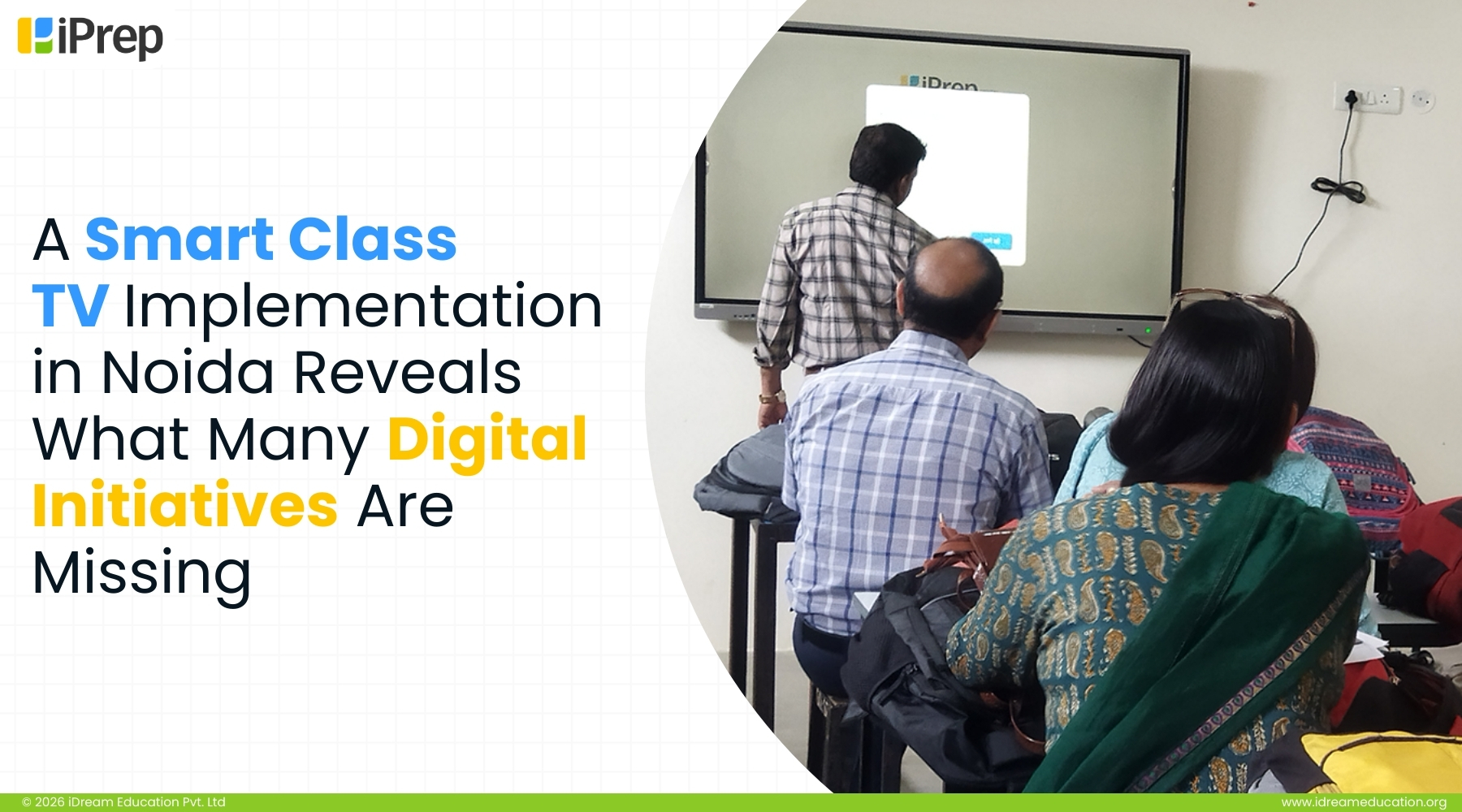


Smart Classrooms have rapidly evolved to become the de facto resource for modern teaching and learning. Smart classes in schools are serving as a powerful complement to our teachers in driving engagement and improving learning outcomes. When implemented thoughtfully, these classrooms are transforming the learning environment, acting almost like a dedicated personal assistant to teachers. Smart classes in schools helps teachers improves conceptual clarity, better lesson planning, provide experiential learning opportunities. While empower students to connect classroom lessons with real-life scenarios.
Across India, the adoption of Smart Classrooms is accelerating.
Schools are increasingly investing in advanced smart class hardware, interactive displays, digital content, and Learning Management Systems (LMS) to create technology-enabled classrooms. And there is no denying that these tools, when used correctly, have the potential to revolutionize teaching. However, as this adoption grows, a critical issue is emerging – a gap between investment and actual impact.
The gap, often overlooked, is the Smart Classroom accountability gap.
Many schools have state-of-the-art smart classrooms, but without structured mechanisms to track data-driven teaching and learning usage. These investments risk becoming underutilized hardware hung on the walls rather than engines of educational enhancement. Simply installing interactive screens or deploying LMS platforms does not guarantee improved learning outcomes. What truly matters is whether teachers and students are engaging with these smart classes meaningfully or if the smart class content is aligned with curriculum objectives, and whether the LMS is being leveraged effectively to support comprehensive learning journeys.
To Close this Gap: You Need to Ask the Hard Questions on Smart Classroom Usage
The question every school leader and educator must confront is simple yet powerful: Why are we not tracking subject-wise, class-wise, and teacher-wise teaching and learning usage in Smart Classrooms? Without this data, how can we truly know whether our EdTech investments are making a difference or if these tools are simply sitting idle on the walls? Tracking usage is not just a technical requirement – it is the integral part of Smart Classroom accountability.
Based on our nine years of experience working closely with government schools, teachers, and students, we have gained a deep understanding of ensuring smart classroom accountability. Therefore, when planning a smart classroom project you must ask the right questions such as:
- Engagement Frequency: How regularly do teachers and students interact with the Smart Classroom platform? Are smart classes by your chosen smart class vendor being used consistently, or only sporadically for occasional lessons?
- Subject and Grade Impact: Which subjects and grade levels are actually seeing measurable improvement in learning outcomes after the implementation of smart classes? Are smart classrooms in some areas underutilized and the reason behind it?
- Content Utilization: What type of smart class content such as animated videos, practice questions, simulations, or practical exercises, is being used, and how effectively? Understanding this can help schools identify which materials are driving learning and which are underperforming.
- Training Needs: Where do teachers need additional support or training to integrate Smart Classrooms into their daily teaching effectively? Even the most easy technology sometimes fails if teachers are not confident in using it.
- Curriculum Updates: With the ongoing revisions under the New Education Policy (NEP), how are smart class content and platform updates being delivered? Ensuring that the LMS and digital content evolve alongside the curriculum is critical for maintaining relevance and impact.
Answering these questions systematically enables schools to move beyond merely owning Smart Classrooms to leveraging them for measurable learning outcomes. It transforms smart classes from passive installations into active, data-driven hubs of teaching and learning, where every EdTech investment is aligned with pedagogical goals.
How Can You Ensure Accountability in Smart Classrooms?
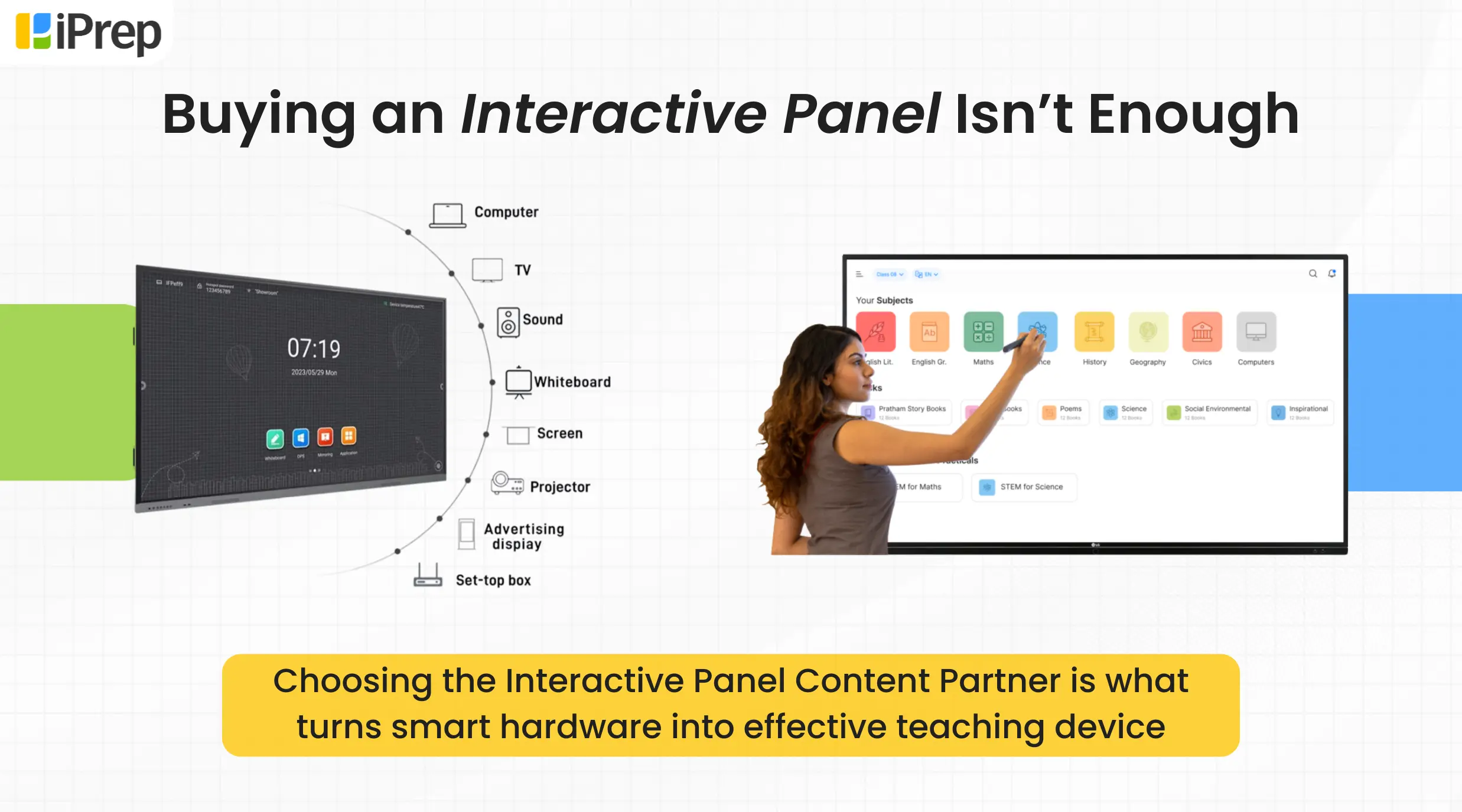
To make Smart Classroom initiatives truly accountable, schools need a robust system where smart class hardware is seamlessly integrated with a smart class platform.
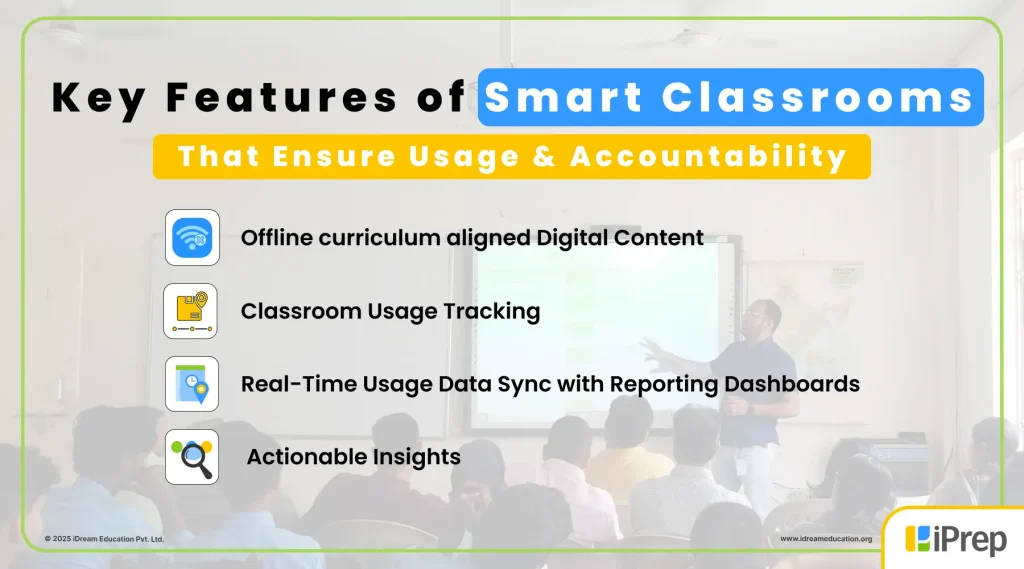
Key features of an effective Smart Classroom platform that ensures usage and accountability
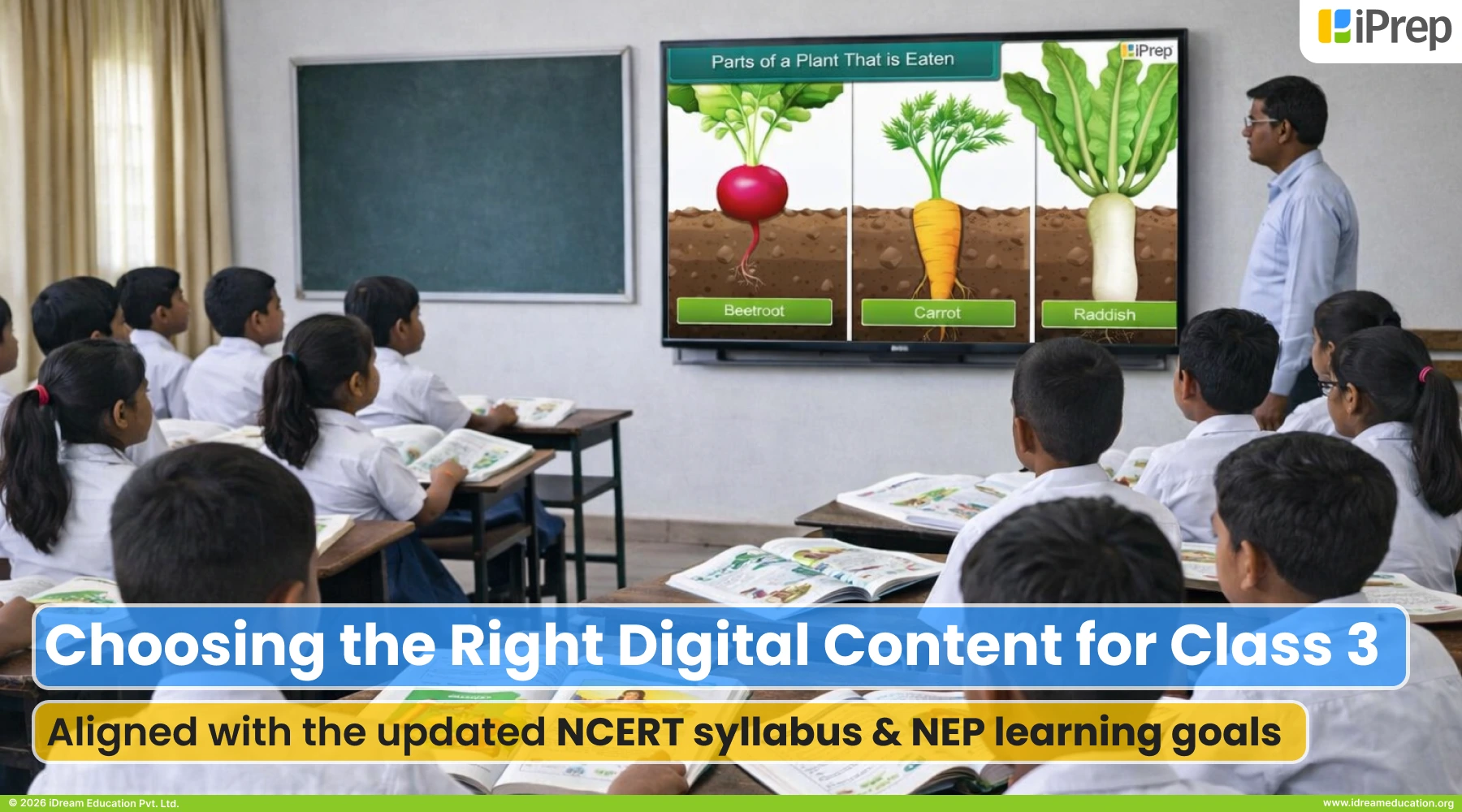
- Offline curriculum aligned Digital Content: The platform should offer offline comprehensive content aligned with the National Education Policy (NEP) and National Curriculum Framework (NCF) 2022, ensuring learning continues even in low-bandwidth or offline scenarios.
- Classroom Usage Tracking:The system must record how much teachers are engaging with the digital content – whether it’s animated videos, practice, simulations, or practical exercises, so schools and project administrators have a clear picture of actual usage.
- Real-Time Usage Data Sync with Reporting Dashboards: Administrators and authorities need instant visibility into usage happening of implemented solutions. Thus, smart classroom dashboards should provide real-time data, allowing schools to monitor engagement, identify underutilized resources, and ensure every investment is making an impact.
- Actionable Insights: Insights should be non-negotiable, not optional. They must guide decisions on teacher training, support interventions, and content updates to continuously improve teaching effectiveness and student learning outcomes.
With such a system in place, schools can achieve smart classroom accountability where:
- Every teacher and student interaction is tracked, ensuring that Smart Classrooms are actively contributing to learning improvements
- Data-Driven Decisions for teacher training are taken to ensure teachers are given additional support to enhance their teaching.
- Consistent tracking generates actionable insights to drive meaningful improvements in student learning outcomes.
By integrating smart class hardware, LMS, and content in a connected, data-driven system, you can make smart classrooms a powerful instrument for accountability, effectiveness, and transformational learning experiences.
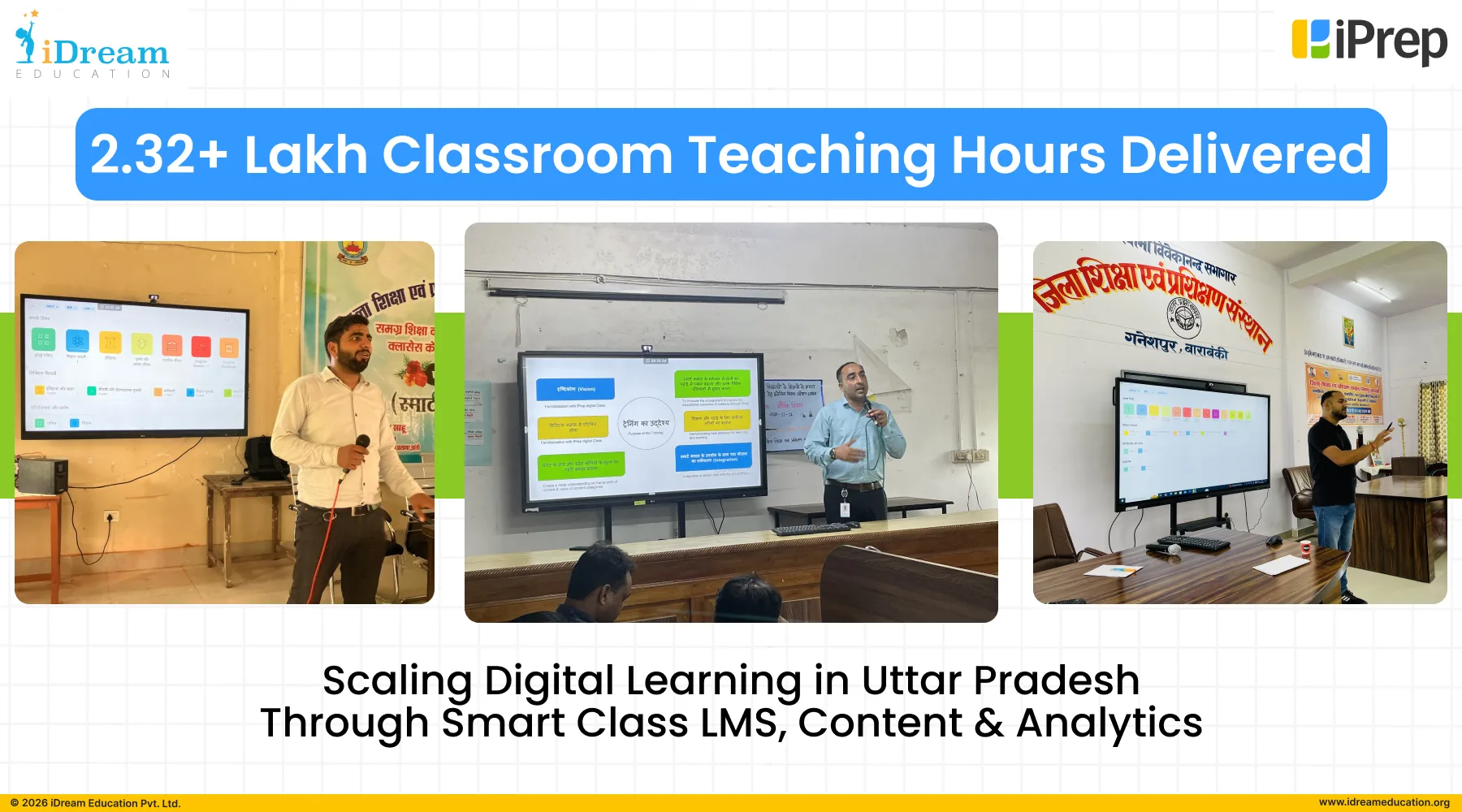
At iDream Education, we are committed to partnering with governments, schools, CSR, NGO and consultants to strengthen Smart Classroom accountability. This is to ensure that every investment translates into measurable learning progress for students.
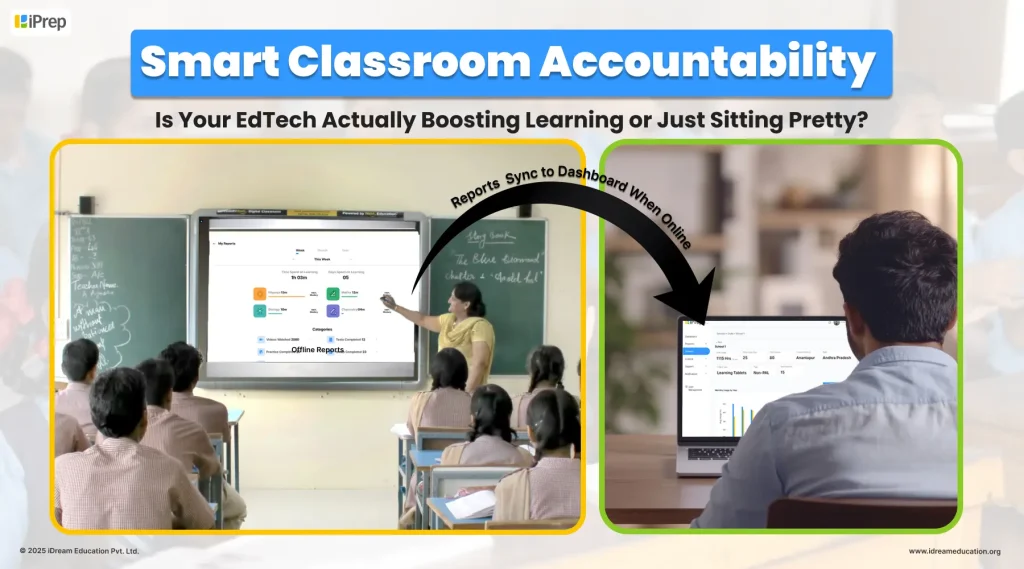
We achieve this through our Smart Classroom LMS, specifically designed for school education. The platform can be preinstalled on any Smart Classroom hardware and comes with preloaded, curriculum-aligned content that is regularly updated to match the latest educational standards. It also supports offline usage reporting while seamlessly syncing data to real-time reporting dashboards, enabling project administrators to track usage, adoption, and engagement.
By providing actionable insights, our LMS empowers project officials/administrators to make data-driven decisions, identify areas for teacher training, monitor classroom performance, and continuously improve learning outcomes.
If you are looking to set up Smart Classrooms with full accountability and a strong focus on learning outcomes, you may contact us at +91 7678265039. We would be happy to demonstrate our Smart class LMS, its reporting capabilities, and showcase how Smart Classrooms are being effectively used across India. You can also write to us at share@idreameducation.org or share your details here
Categories You may Explore
Related Articles