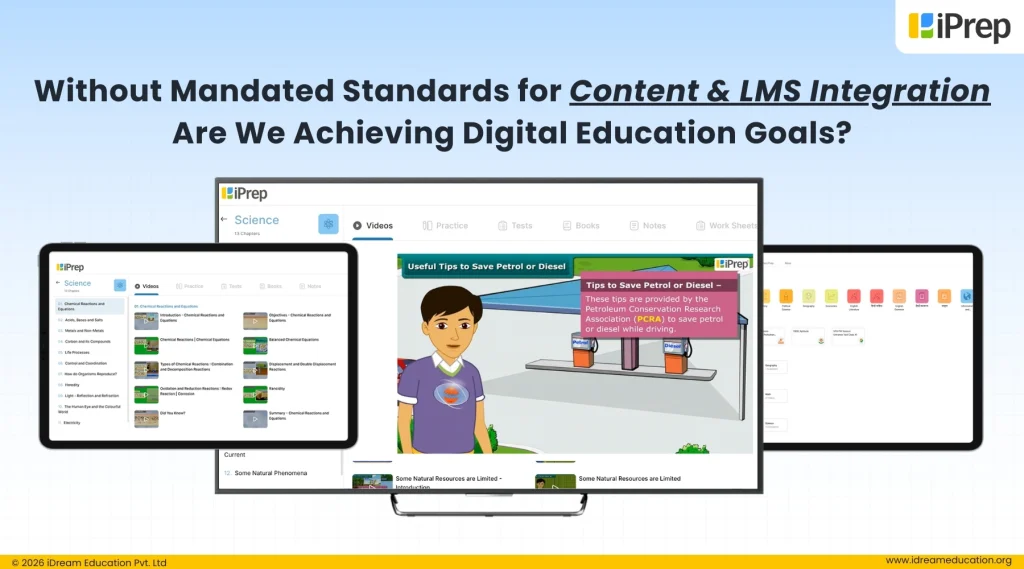
The story of a modern Indian classroom began with a simple, desperate need for access. For decades, the ground reality for a teacher in a government school was a battle of limited resources, one blackboard, one chalk piece, and a single textbook shared between five students. The primary mission for every State official and CSR leader was to break those walls down and bring the world into the village.
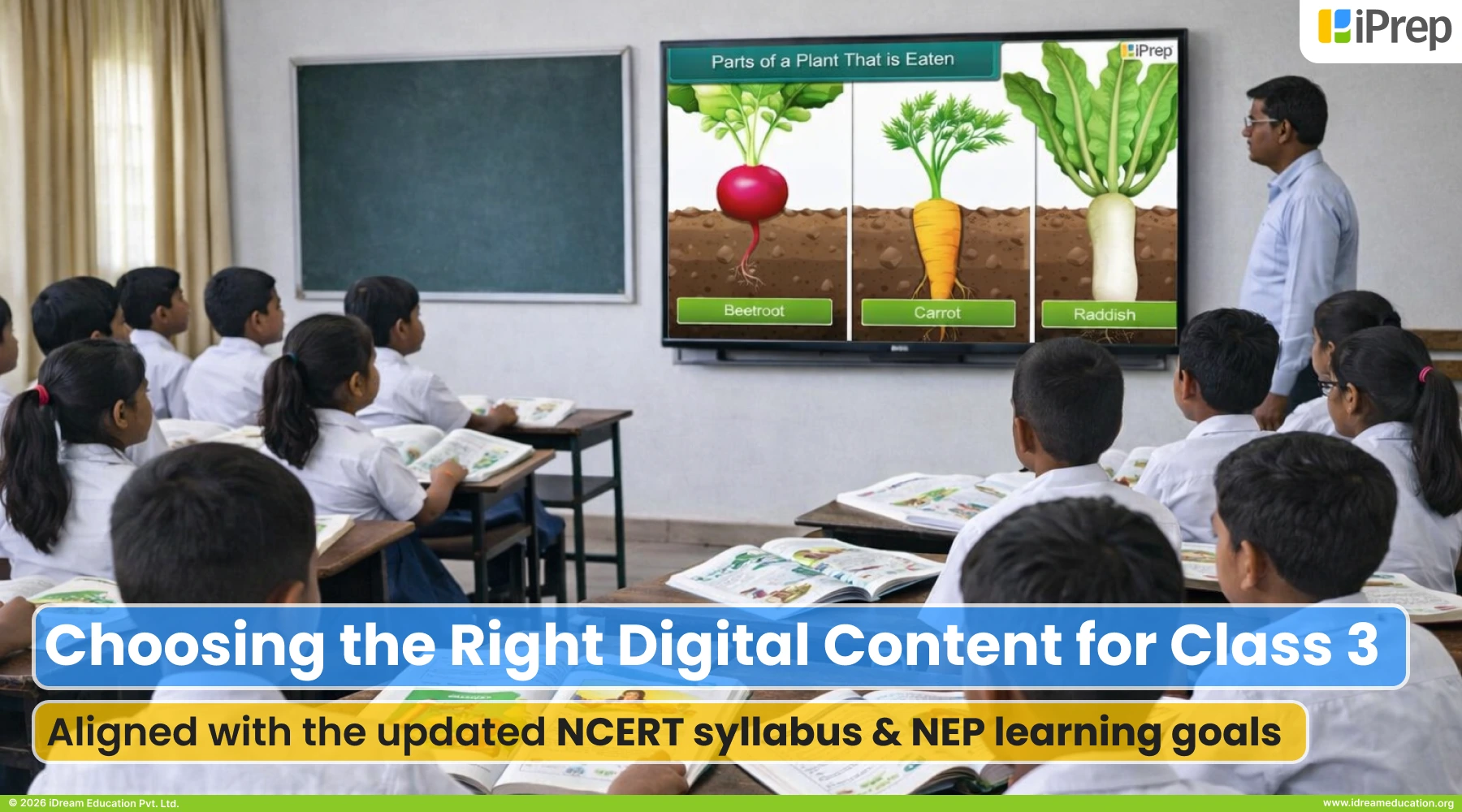
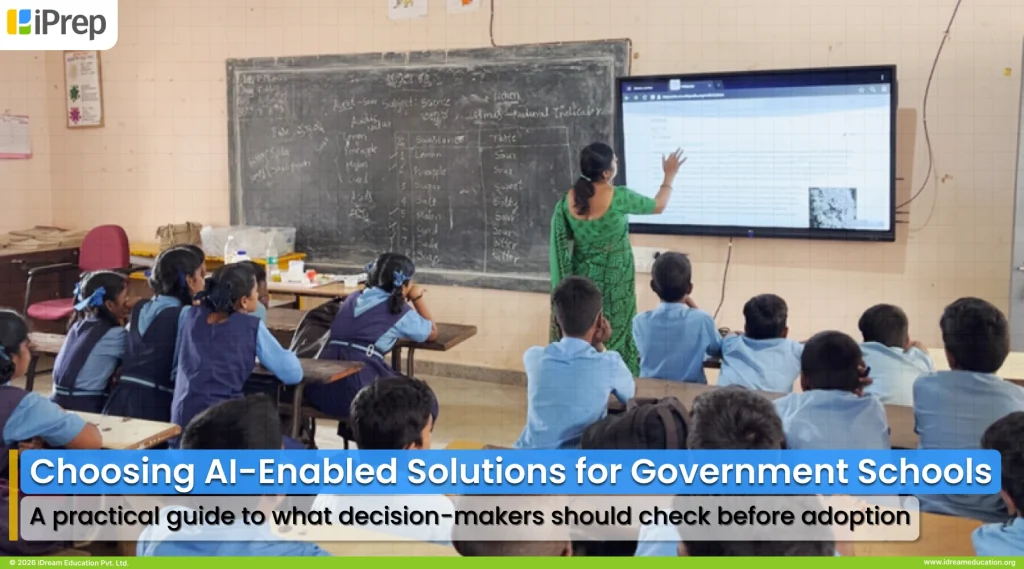
We should celebrate that this mission is succeeding. Today, thousands of schools have transitioned into the digital age. We see teachers finally empowered with digital teaching tools and students wide-eyed, watching high-quality offline interactive content and engaging animations. This first wave of digital transformation was vital, it sparked interest, improved attendance, and turned the school into a place students actually wanted to be.
But as we stand in the post-COVID landscape, a new chapter of the story is unfolding. The pandemic created a “silent gap,” pushing student understanding back by two or three years. While we continue to invest in smart classes, because many schools still don’t even have their first screen, we are realizing that the screen itself is only the foundation.
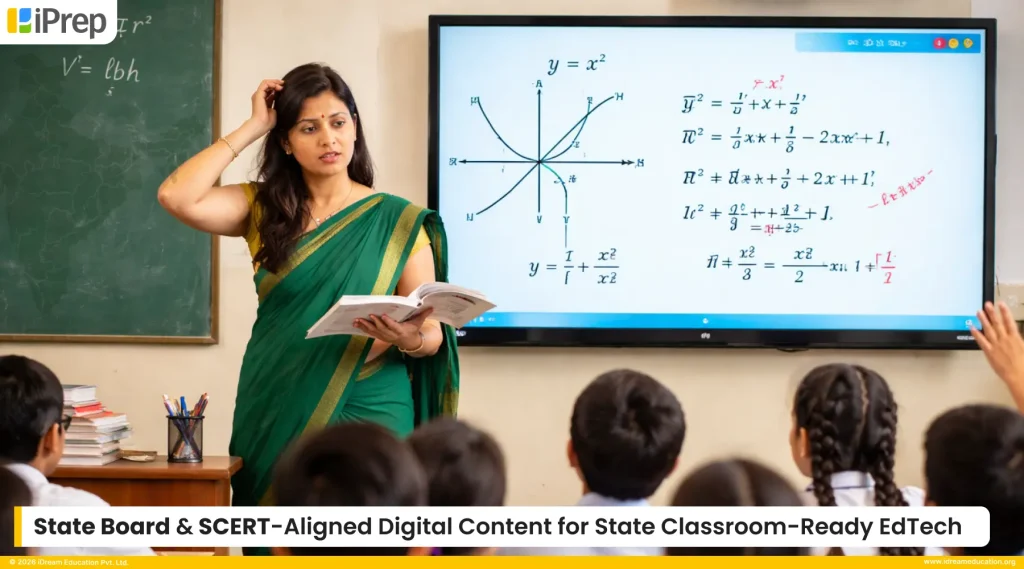
Access and engagement are finally improving, but can we truly close learning gaps if the teacher is still “teaching into the dark” without knowing who is following?
The Hidden Flaw in the Glowing Screen: Why Viewing is Not the Same as Learning
If you walk into a smart classroom today, it looks like a success story. The animation is playing, and the students are quiet. But there is a hidden struggle. In this “viewing-only” model, the smart classroom is an excellent delivery tool, but it lacks a pulse.
A teacher can play a brilliant animation on the solar system, but they still have no way to “see” inside the minds of fifty different children. Currently, we wait for the year-end exam results to judge if our programs worked. But for the child sitting in the back row who didn’t understand the lesson on Tuesday, waiting until next March is a tragedy. By the time the scores arrive, the chance to pivot has long since passed.
The Intermediate Bridge: Why Clickers Provide “PAL-Level” Insights Without the Same Cost Tag
The global education community is currently focused on Personalized Adaptive Learning (PAL), the dream that every child should have their own tablet that adapts to their level. While PAL is a fantastic ultimate goal, we must be honest about the ground reality: implementing PAL at scale is an expensive and complex proposition.
It requires individual devices or a library kind setup in schools, charging infrastructure, and high program management costs. All these will eventually be solved, and perhaps the world will soon move towards PAL.
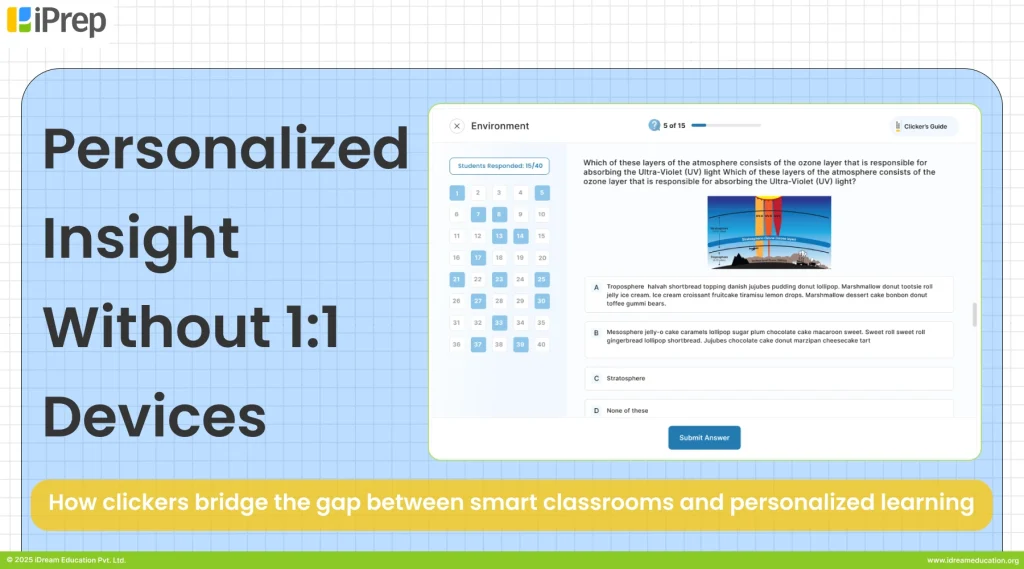
But, is there something we can do in the years between now and a 1-to-1 device reality? How do we get real-time data to help our teachers today? This is where the Clicker K12 assessment tool fits into the story. It is the practical bridge. It takes the existing smart classroom and transforms it from a “television” into a two-way “Learning Lab.”
The Turning Point Moment is when the Classroom Starts “Talking Back”
Imagine that same smart classroom in school, but this time, every student holds a simple, durable clicker device in their hand. The teacher plays a concept video, pauses it, and asks a quick, targeted question. Instead of the usual four vocal students in the front row raising their hands, every child, the topper and the back-bencher alike, must respond.
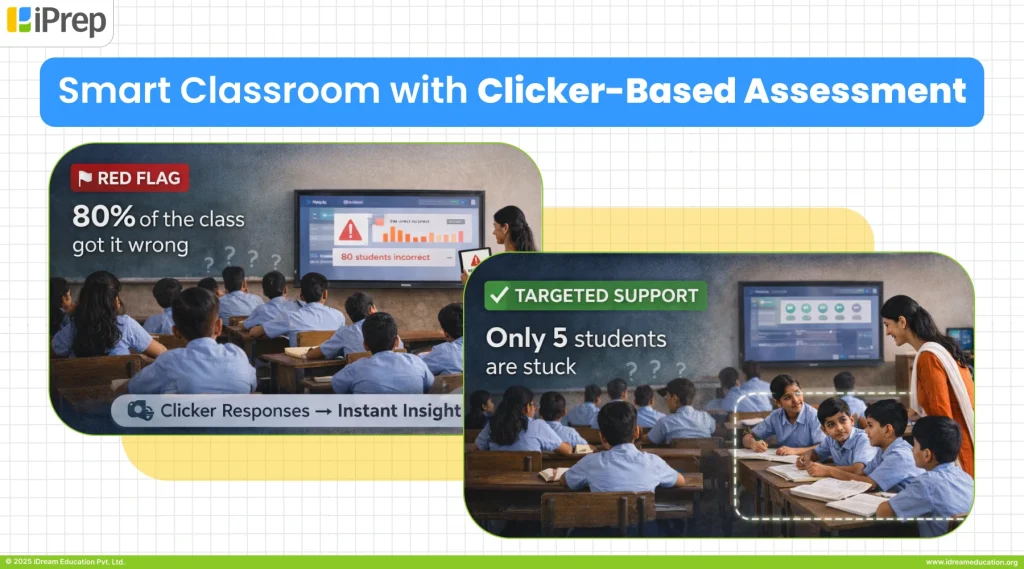
Within seconds, the answer appears on the screen in a simple bar chart. Suddenly, the teacher isn’t guessing anymore.
- If 80% of the class gets it wrong, the teacher sees the “Red Flag” and re-teaches the concept differently.
- If only 5 students are stuck, the teacher can move on, but knows exactly which desks to visit during the remedial session.
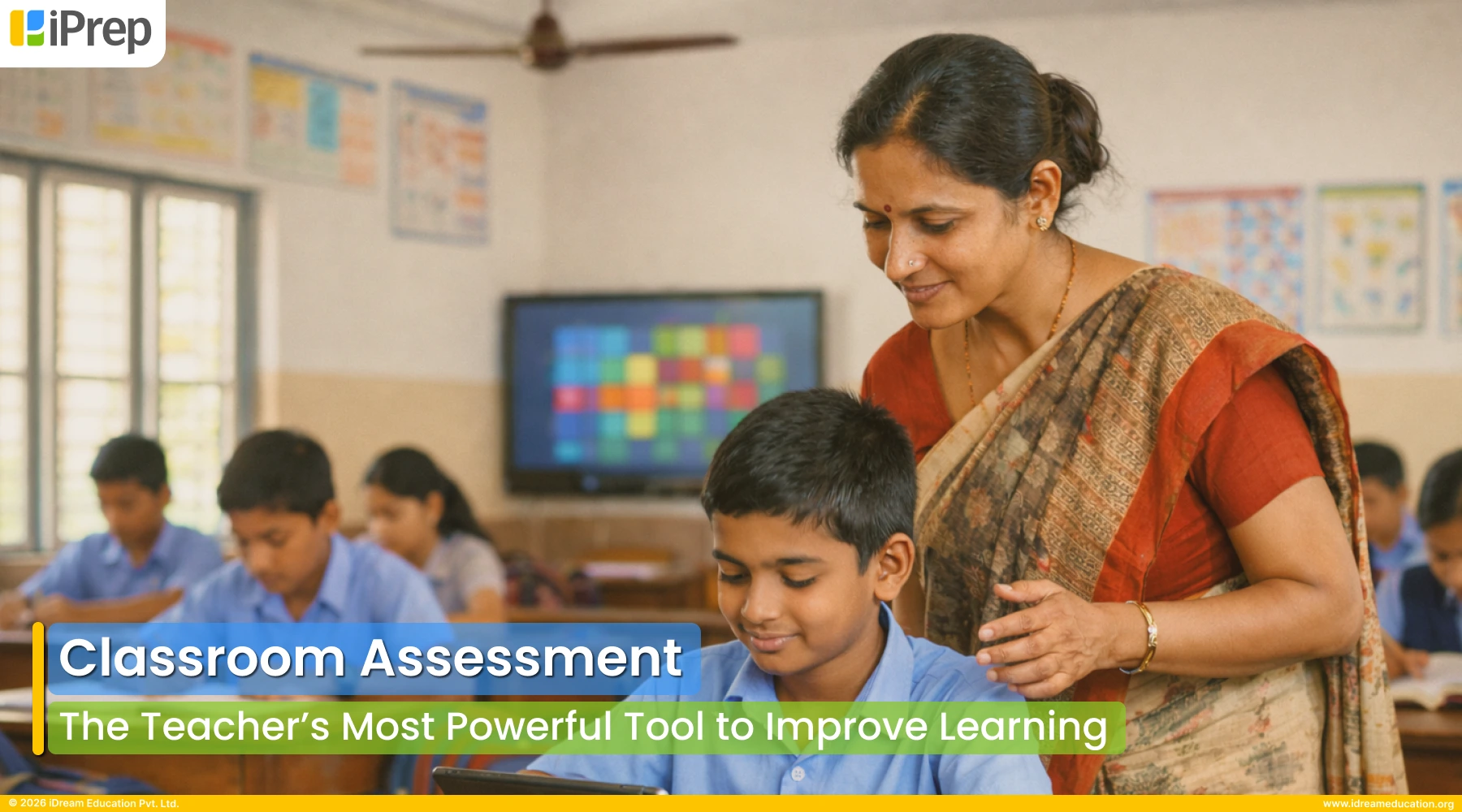
For the first time, the Smart Assessment Score System makes Classroom Assessment Scoring a live conversation. It provides high-impact data using the infrastructure we already have.
The Six Superpowers of Turning Classroom Data into Teaching Insights
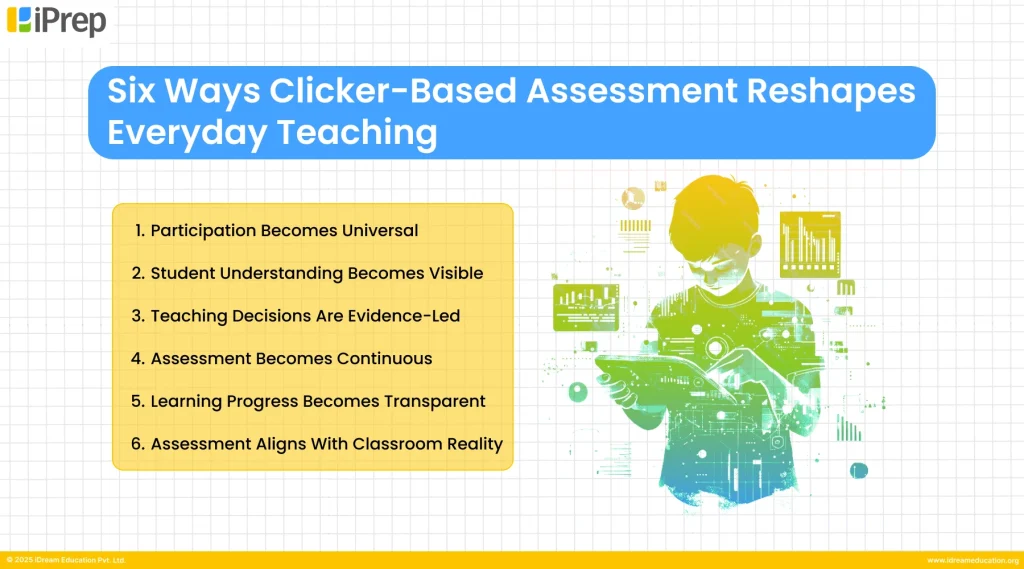
- Participation Becomes Universal: It removes the “front-row bias.” Every child has a digital voice, ensuring 100% participation without the fear of public embarrassment.
- Student Understanding Becomes Visible: Teachers get Digital Classroom Assessment Techniques that allow them to see exactly where the confusion lies while the lesson is happening.
- Teaching Decisions Are Evidence-Led: Instead of relying on gut feeling, teachers use a Smart Assessment Score System to decide if the class is actually ready for the next chapter.
- Assessment Becomes Continuous: Formative assessment shifts the culture from “testing at the end of the month” to “checking every ten minutes,” enabling earlier identification of learning gaps.
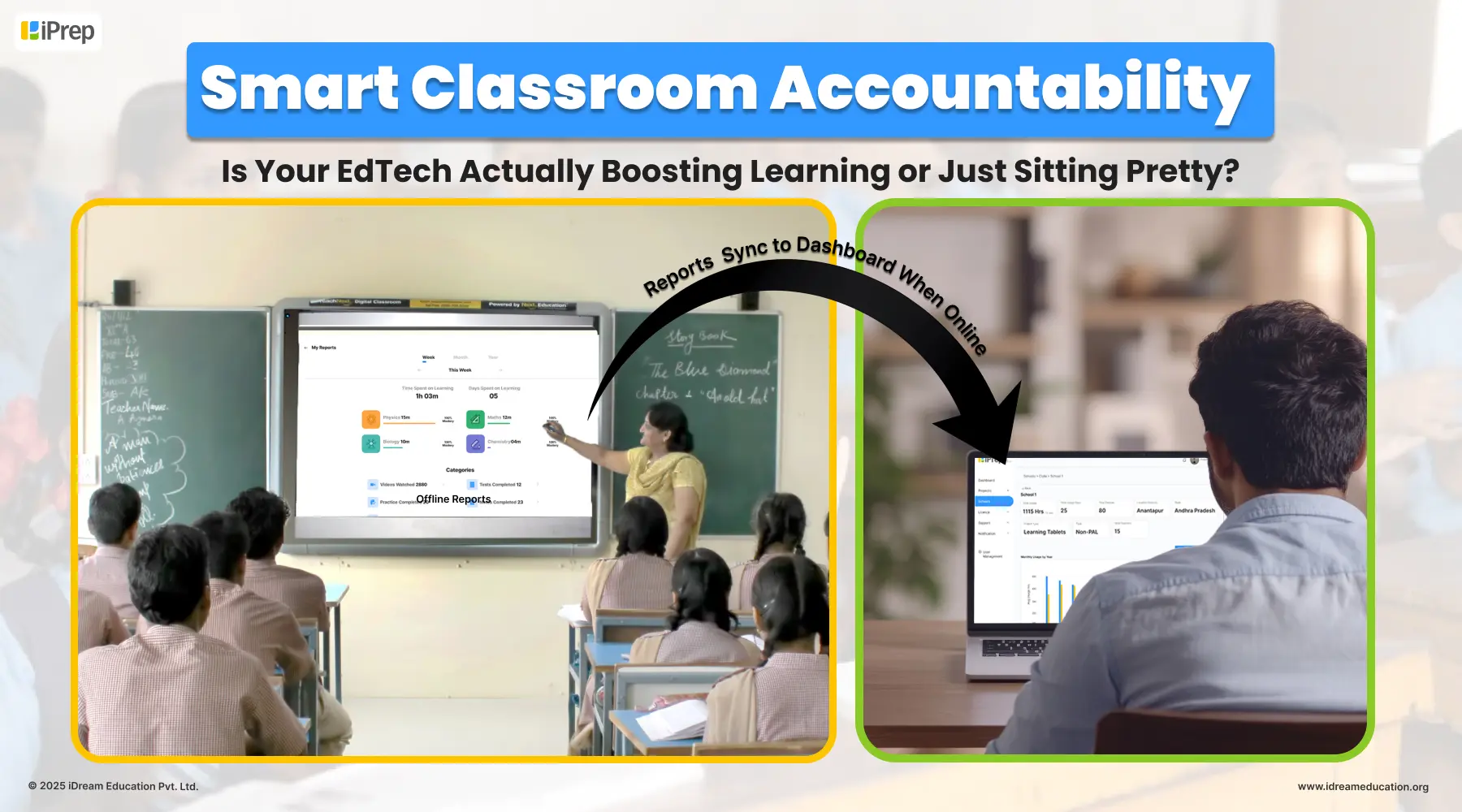
- Learning Progress Becomes Transparent: For CSR and government leaders, this enables visibility into real-time learning trends across schools, classes, and subjects, well before gaps surface in end-of-year examination results.
- Assessment Aligns With Classroom Reality: Clicker-based assessment systems are offline-first, durable, and designed for shared classroom use. Each student uses a clicker during the lesson, making real-time learning data feasible even in low-infrastructure schools.
iDream is also building the Research-Driven Future of the Indian Classroom
At iDream Education, we recognized that the “viewing-only” smart class was just the first chapter. We wanted to write the second chapter, the one where every student’s understanding is visible.
When we began developing its Clicker-Based Assessment system alongside ongoing classroom use, we allowed student responses to be captured continuously during instruction. The focus has been on observing how frequent, low-stakes assessments can surface learning gaps early and support more responsive teaching practices. We are working toward a future where, by 2026, the research on our clicker-based systems will be the new standard for evidence-based teaching in government schools.
The New Definition of “Smart” in the 2026 Classroom
In the past decade, a smart classroom was defined by its screen. In 2026, a truly smart classroom will be defined by its insight.
We must move past the old model of “Screen + Content” and embrace the new model: Screen + Content + Continuous Insight. The classroom clicker system is the key to this transformation. It ensures that the millions invested in digital tools actually result in a child who understands, remembers, and thrives.
Stop waiting for next year’s reports to see if your program worked. Let’s give our students a voice and our teachers the clarity they deserve.
Discover how clicker-based systems provide the “missing link” between smart classrooms and NEP-aligned learning outcomes without the high cost of 1:1 devices. If you would like to explore how this “missing link” can enhance your educational initiatives, please contact us at 917678265039 or write to us at share@idreameducation.org.
Categories You may Explore
Related Articles