
Beyond Borders and Terrains: Taking Digital Infrastructure to Last-Mile Learners
Project Overview
Through a partnership with the Education focused Foundation, digital learning solutions are established in 33 government schools across remote regions of Odisha. The initiative aimed to strengthen teaching-learning processes by providing digital infrastructure and curriculum-aligned content in schools serving underserved communities.
The project covered schools across districts including Balangir, Koraput, and Nabarangpur, many of which are located in remote, tribal, and historically underserved areas near the Odisha-Chhattisgarh and Andhra Pradesh borders.
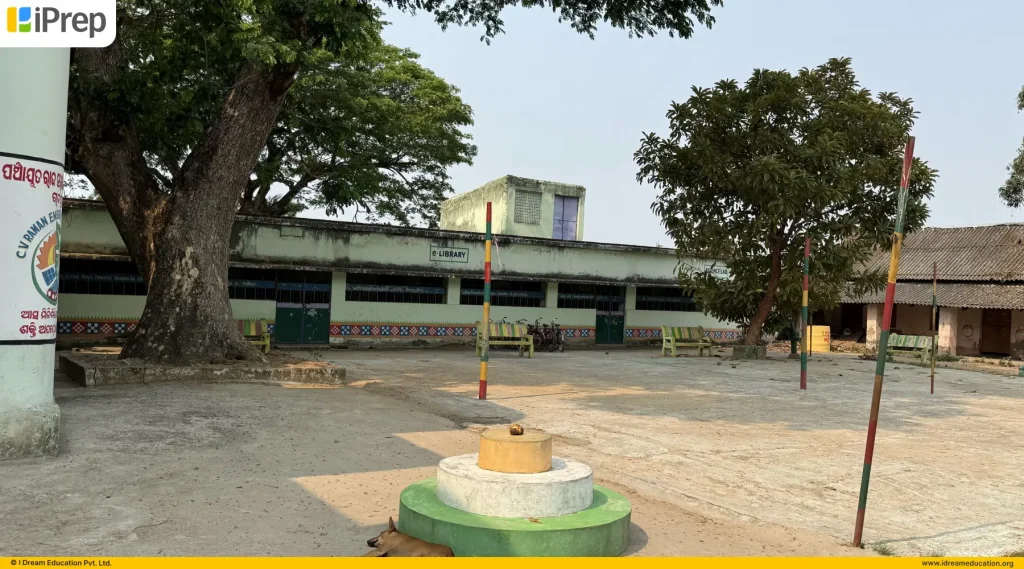
Several schools are situated in difficult-to-access locations, including forested regions and hilly terrains, making implementation and support activities particularly challenging. Despite these challenges, the initiative successfully extended Digital Education in Odisha to some of the state’s most remote schools.
Solution Delivered
- The implementation included: 50 smart classes across 30 schools of Chennai, Thiruvallur, Orissa, Karnataka and Chennai
- Access to comprehensive offline digital content for Classes 1–12, ensuring uninterrupted learning in low-connectivity environments.
- Curriculum-aligned learning resources available in local languages.
- School infrastructure enhancement, including repair work, painting, electrical upgrades, and wiring required for the successful installation of digital learning equipment.
- Teacher orientation and implementation support to facilitate effective adoption and classroom integration.
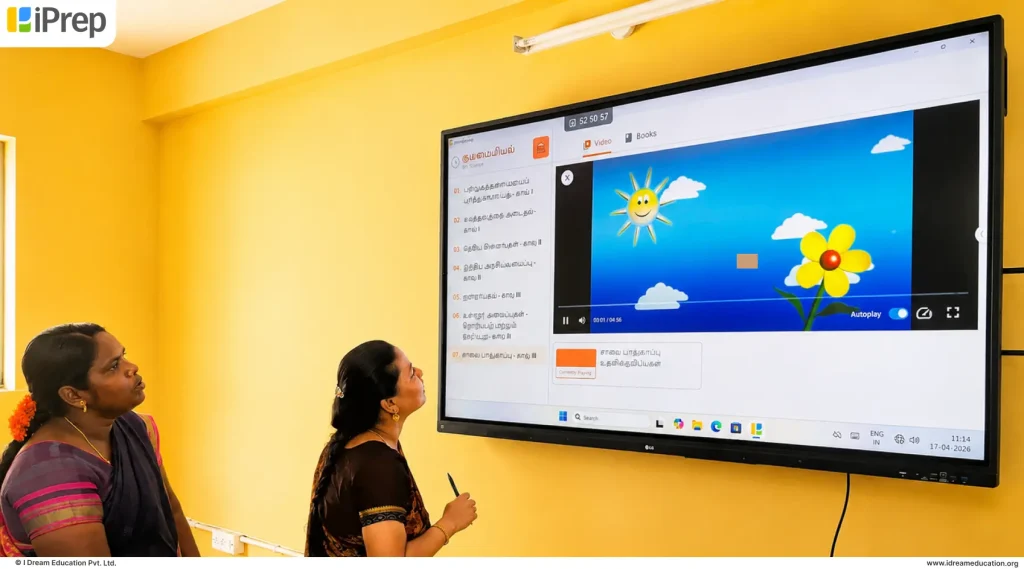
Together, these interventions helped create a digitally enabled learning environment in remote schools, equipping educators and students with the tools and content needed to enhance learning outcomes.
One of the most compelling stories from this education project emerged from schools located in the remote border and tribal regions of Odisha.
Many of these schools had received digital infrastructure, such as interactive panels, through earlier initiatives. However, during school profiling, it was observed that nearly half of the schools lacked access to structured, curriculum-aligned digital content, teacher guidance, and relevant learning resources needed to effectively utilize these devices.
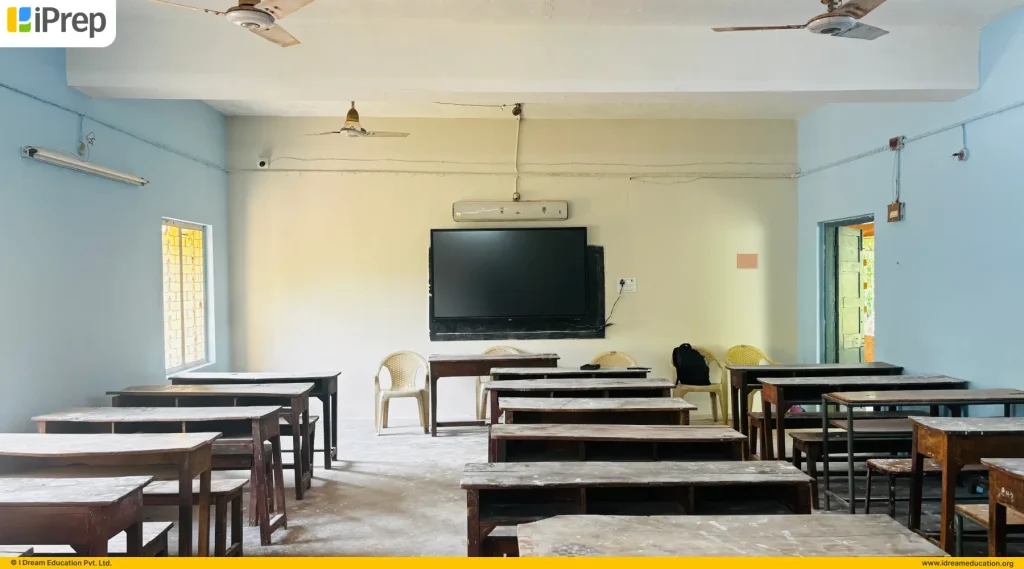
As a result, much of the infrastructure remained underutilized despite the potential it offered. The initiative helped bridge this critical gap by equipping schools with comprehensive offline digital learning resources and enabling teachers to integrate them into classroom teaching. By complementing existing hardware with relevant content and support, the project transformed digital setups into meaningful learning tools, making digital education more accessible and impactful for students and teachers in some of Odisha’s most geographically challenging regions.
School and Community Context
The schools primarily serve children from farming and daily-wage labourer families. Many students travel from nearby villages to attend school, reflecting the critical role these institutions play in providing educational opportunities in remote communities.
Several schools operate with limited infrastructure and small classroom setups, yet continue to serve as important centres of learning for surrounding villages.
Teacher Adoption and Usage
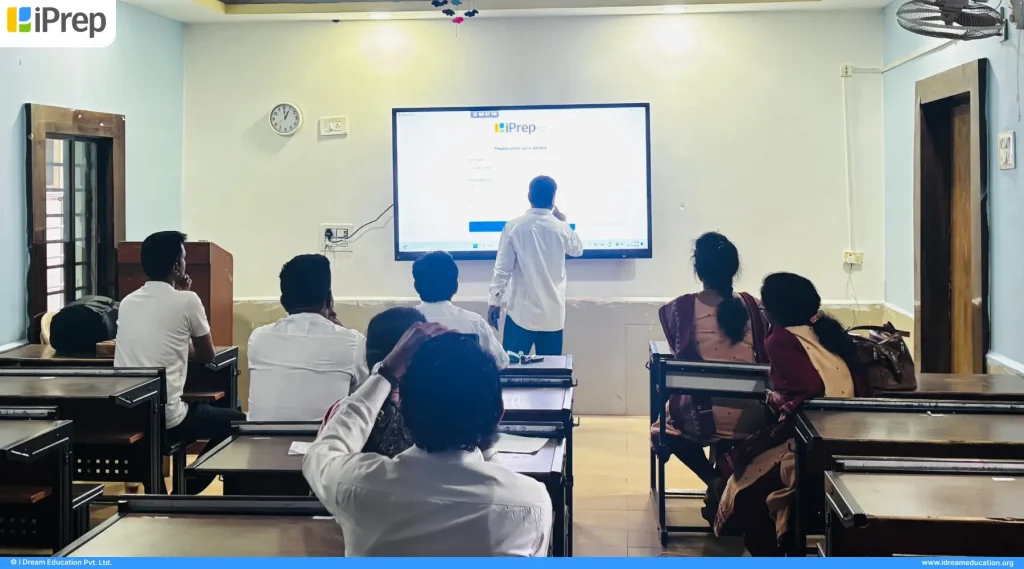
Teacher engagement emerged as a strong positive outcome of the implementation. They demonstrated a willingness to integrate technology into classroom instruction and actively explored digital resources to support teaching. In schools where digital infrastructure was previously available, teachers were already attempting to use online educational resources, highlighting a clear demand for quality content and structured digital learning tools. The availability of offline curriculum-aligned content has further strengthened their ability to deliver engaging classroom experiences.
Noteworthy Implementation Experience
One of the participating schools, located in a remote area of Nabarangpur district, highlighted the important role that schools and educators play within their communities.
Conversations with school leadership revealed how teachers have worked over the years to build trust, drive awareness, and create positive change beyond academics. These experiences underline the broader impact that schools can have in shaping attitudes, aspirations, and community development in underserved regions.