
A Ground-Level Story of an Offline Smart Class Implementation in Remote Under-resourced Schools
Over the past few years, smart class programmes have been rolled out across thousands of government schools through various government, CSR, and foundation-led education initiatives. At iDream Education, we have worked closely with many such programmes, supporting the setup of nearly 27,000 offline smart classrooms across diverse geographies and school contexts in India.
While large-scale numbers help measure reach, some of the most valuable implementation insights come from the smallest and most remote classrooms. This case study shares our experience from one such offline smart class implementation in Raigarh and Chhattisgarh, where many schools are located in remote rural communities and function with limited infrastructure, multigrade classrooms, and little or no access to digital learning resources.
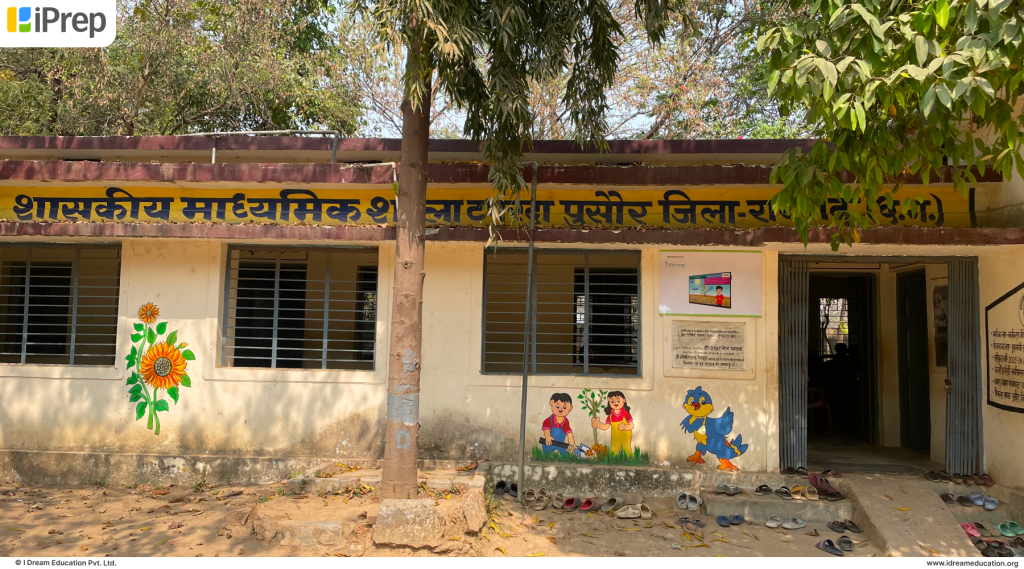
In these rural villages, the local farmers’ children often walk long distances just to attend school. The realities on the ground are humble: 80% of the schools here operate out of only two rooms. The teachers work tirelessly to manage multigrade, multilevel classrooms. For these students, who had never even seen a smart panel before, the idea of digital learning was a distant concept.
But this story isn’t just about bringing screens to remote villages. It is about what happens when technology, community care, and human compassion come together.
Laying a Foundation of Caring and Welcoming School Environment
We learned very early on that simply installing hardware does not create a conducive learning environment. The true groundwork for this project was laid by our collaborative partner, the Leading Foundation, an organization deeply committed to uplifting government schools.
They recognized that children learn best when they feel cared for. Before our digital setup even began, the foundation was already working to transform government schools into nurturing “Future-ready schools.” They repaired the buildings, provided benches, and ensured every child had a uniform. They even prioritized daily well-being by providing energy bars after meals and equipping the schools with play tools. This holistic approach meant that when the time came to introduce new learning technology, the children already felt valued and supported.
Choice of Smart Class Hardware: Samsung Smart TV with Tizen OS
When planning the digital intervention for these remote rooms, selecting the right hardware was a critical decision. Many of these schools had never seen a smart TV before. Rather than introducing unfamiliar technology, the focus was on choosing a solution that aligned with what teachers were already comfortable using in their daily lives. Samsung Smart TVs were therefore selected, as they offered a familiar and intuitive experience like TV at home, making it easier for teachers to adopt smart class content in their classrooms.
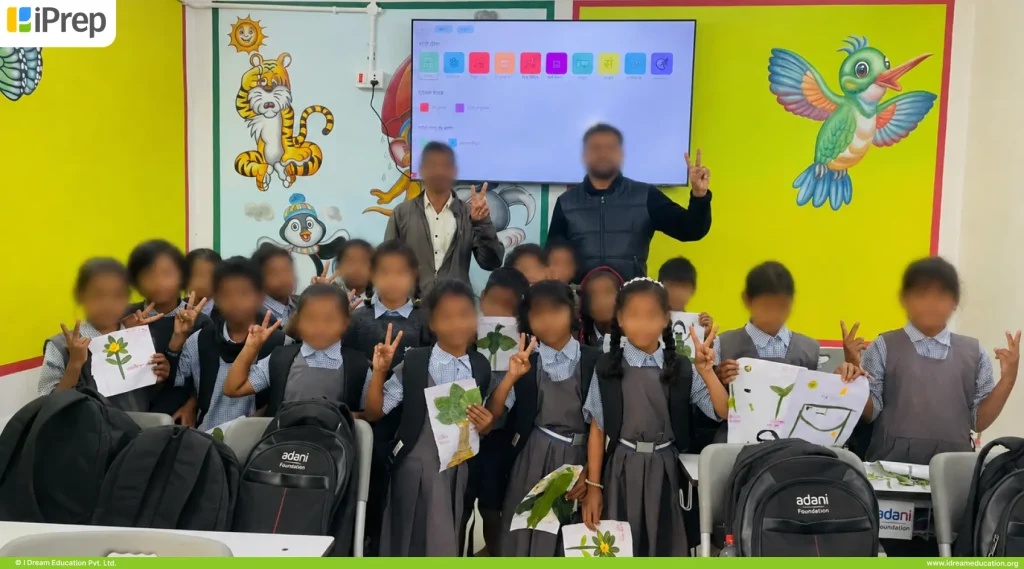
However, the hardware decision was only one part of the challenge. The larger objective was to deliver a complete offline smart classroom experience, including an LMS and multi-format, curriculum-aligned digital content for Classes 1 to 12 on a platform built on Tizen OS. While delivering static content offline was relatively straightforward, enabling offline video lessons and ensuring a seamless classroom experience on the Tizen ecosystem required additional development efforts. Building this capability took time, testing, and close collaboration with implementation partners. Their trust and patience allowed us to continue refining the solution until we successfully delivered a fully functional offline smart class model capable of providing access to digital learning content without any dependence on internet connectivity.
While the offline smart class solution successfully solved the challenge of content access, another important requirement remained: usage monitoring.
In education initiatives, usage reporting plays a critical role in understanding adoption, ensuring accountability, and measuring programme effectiveness. However, because the smart class system was designed to operate completely offline on Tizen OS, capturing and synchronising usage data presented a unique technical challenge.
At the time of implementation, development of native usage-tracking capabilities on the Tizen platform was still underway. Rather than delaying the programme, the team worked on an interim solution that would allow both implementation and reporting requirements to be met simultaneously. To enable seamless usage tracking, each smart classroom could be equipped with an additional Android box for each school.
The approach provides a practical bridge between immediate implementation needs and long-term platform development. It ensured that stakeholders continued to receive the usage insights required for programme monitoring while the team worked towards building native usage-recording capabilities directly within the Tizen ecosystem.
Hardware and tracking solutions form the skeleton of a digital initiative, but the heart of the project lies in classroom adoption.
To ensure the teachers felt confident integrating these new digital tools into their multigrade routines, our team traveled to these remote villages to conduct experiential teacher training. The Phase 1 visits were going really well – the teachers were highly receptive, responding enthusiastically, and seamlessly navigating the new offline smart Class setup and content.
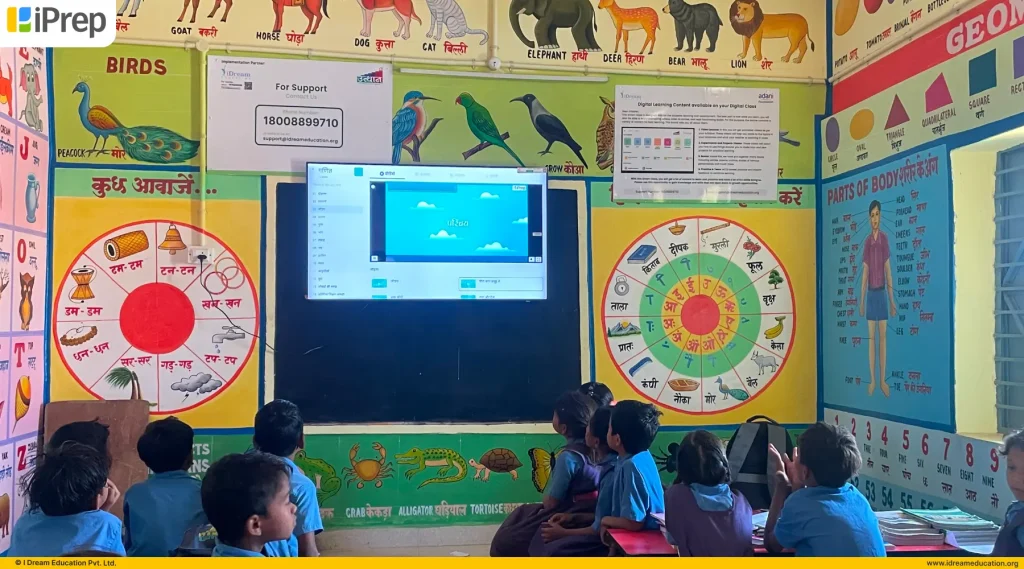
However, amidst this positive energy, in one of the schools, our team noticed a situation that gave us pause. A young boy with distinct visual needs was sitting completely apart from other students in the corner. Dressed in everyday clothes rather than a uniform, he looked deeply isolated from the joyful learning happening just a few feet away.
When our team spoke with the teacher, she shared his story. He was a Grade 2 student originally from a local Anganwadi. When a nearby school refused to enroll him, he wandered to this school. Out of sheer compassion, the teachers took him in, giving him a notebook, pencil and a place to sit. However, the other children didn’t fully understand his situation, leading to bullying and isolation.
Our team felt compelled to act. We sat down with the children in the school, gently helping them understand the emotional impact of their actions and the true meaning of inclusion. We also made a heartfelt request to the teachers to provide the young boy with a school uniform, so he could physically look and feel like part of the group.
Months later, when we returned to check the Offline Smart Class usage reports during Phase 2, we saw a profound change. The little boy was wearing his school uniform, sitting joyfully alongside the other students. He was talking, smiling, and sharing experiences. He was no longer an outsider; he was simply a student, exactly where he belonged.
The change across these communities is unfolding steadily.
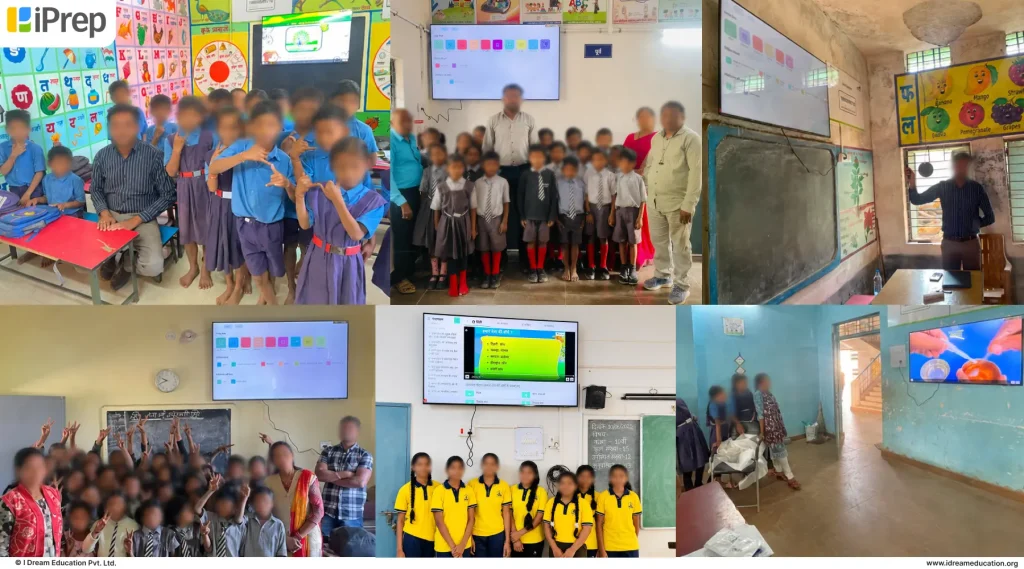
During Phase 1, we implemented the Offline Smart Class in 10 schools. Building on that momentum, Phase 2 added 44 schools into the program. Today, 33 of those installations are complete, with the remaining 10 scheduled for setup when schools reopen in June 2026. As regular usage monitoring is not happening, the academic impact of this initiative will be assessed by tracking and comparing student performance data from the 2025–26 academic year with that of the 2026–27 academic year. We look forward to improving academic outcomes in all schools. Our team remains in continuous touch with teachers, providing day-to-day support to ensure effective usage and sustained impact.