Digital Learning in Tribal Schools: A Story of Reaching the Last Mile Learners in Remote Jharkhand
There are schools in India where reaching the classroom itself is a challenge. One such school is located deep inside the tribal forest regions of Jharkhand, far beyond the main roads and surrounded by dense forest areas. Nearly 45 kilometers beyond Daltonganj (Medininagar) and another 18 kilometers inside the forested region of Latehar lies a government school serving students from Classes 1 to 12. Located in a remote tribal area with limited infrastructure and difficult accessibility, the school represents the reality of education in many underserved parts of rural India.
Our visit to this Last-Mile Tribal Schools & Enabling Digital Learning
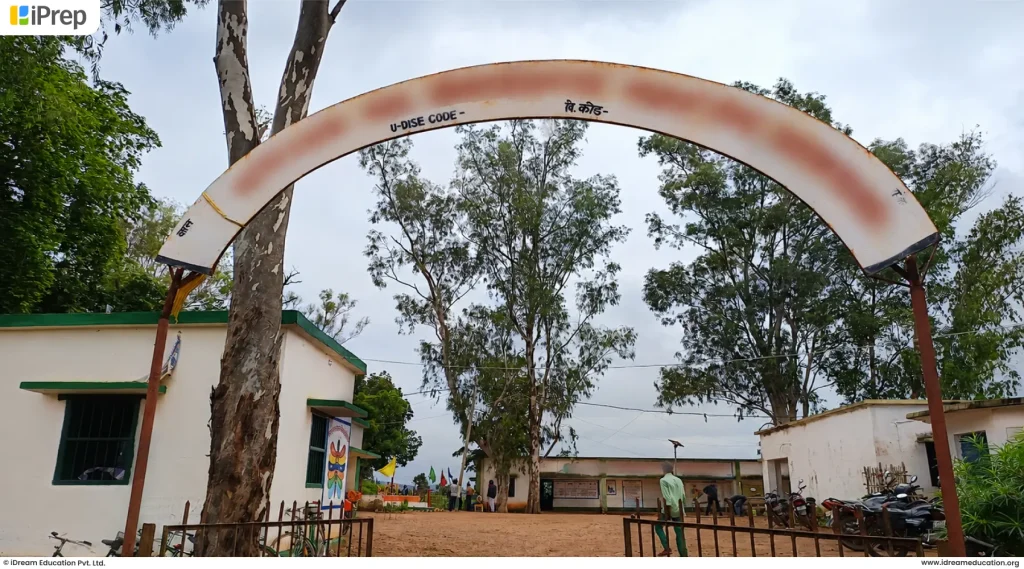
When we visited the schools in Jharkhand, teachers shared that student attendance had remained inconsistent for years, with many children primarily coming to school for mid-day meals. The lack of engaging educational resources further made classroom participation difficult. Despite these challenges, the teachers have remained highly regular and committed, continuing to teach students with limited learning resources.
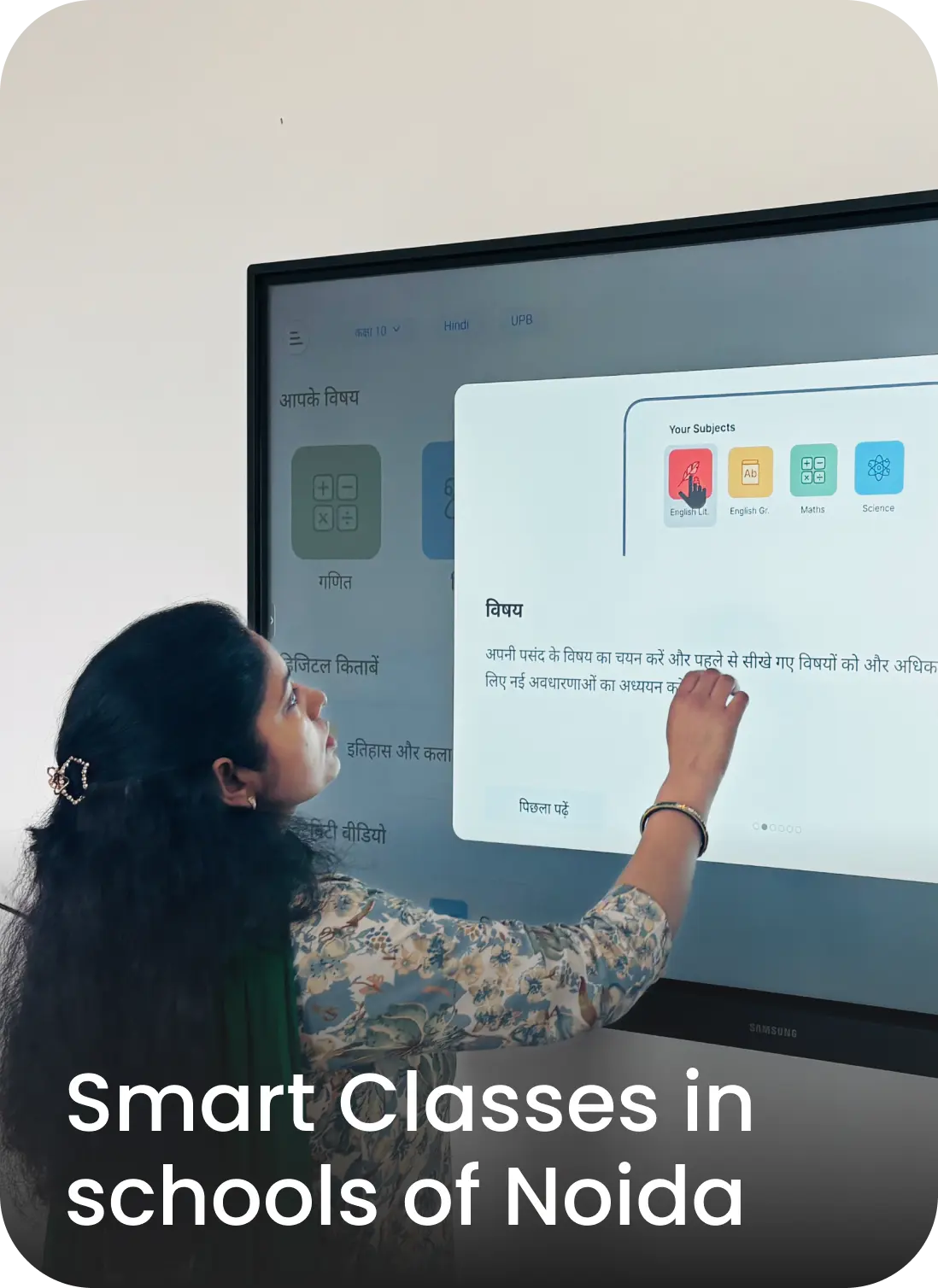
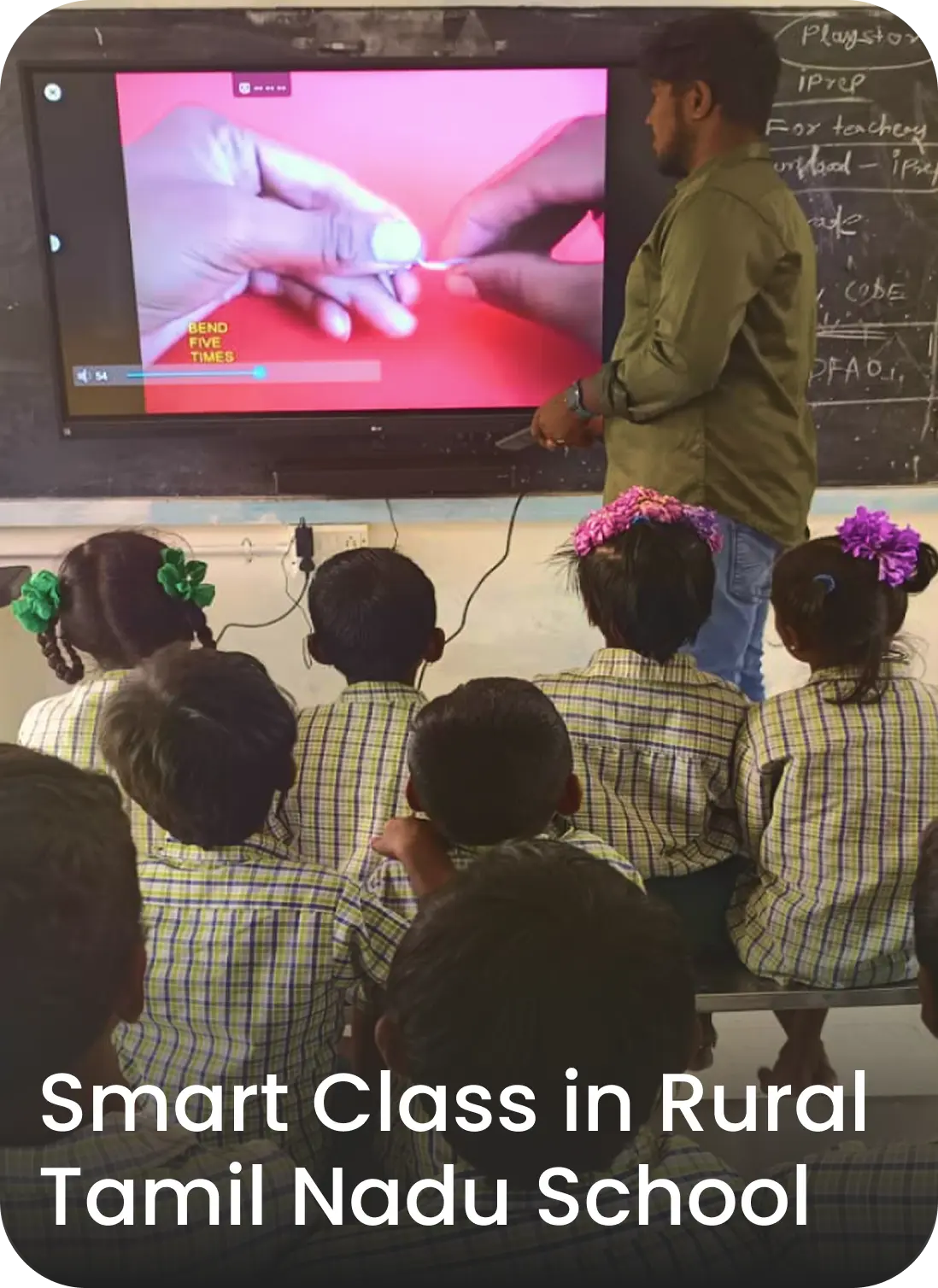
To address these challenges, a digital learning initiative was launched by a local NGO working across multiple schools in Jharkhand. The initiative aimed to bring smart classes and Jharkhand board-aligned digital learning resources to 32 government schools located in tribal regions that are often excluded from mainstream educational development.
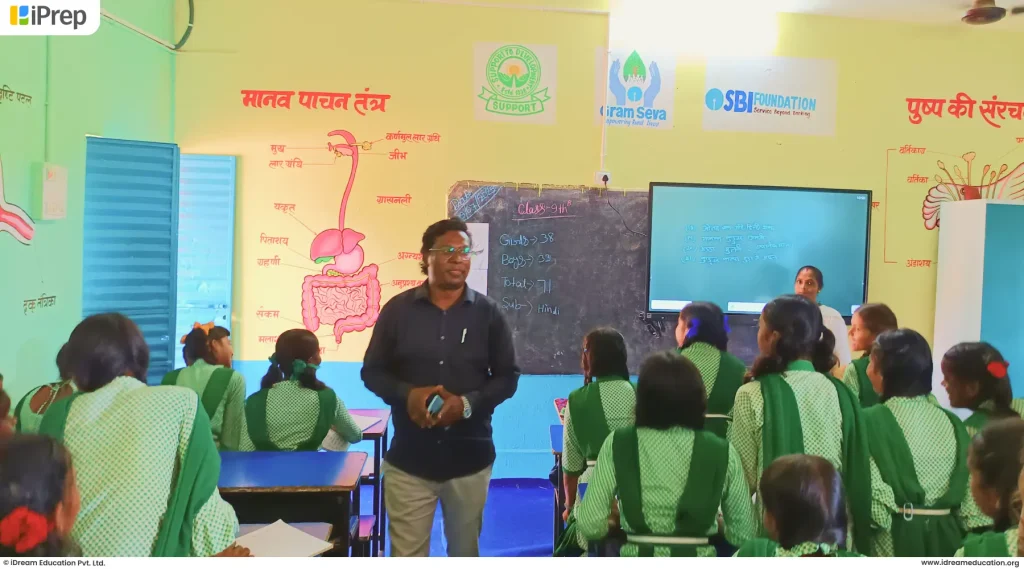
The implementation included a smart classroom panel, Jharkhand board aligned digital learning content for Classes 1 to 10, teacher training sessions, and continuous monitoring support. Since regional language content was unavailable, Hindi and English digital content was introduced to support classroom learning.
Nearly 150 teachers were trained to effectively use digital tools inside classrooms. More importantly, the initiative focused not only on technology deployment but also on long-term adoption. NGO coordinators conduct regular school visits, monitor classroom usage, support teachers with handholding, and ensure the infrastructure remains functional and actively utilized.
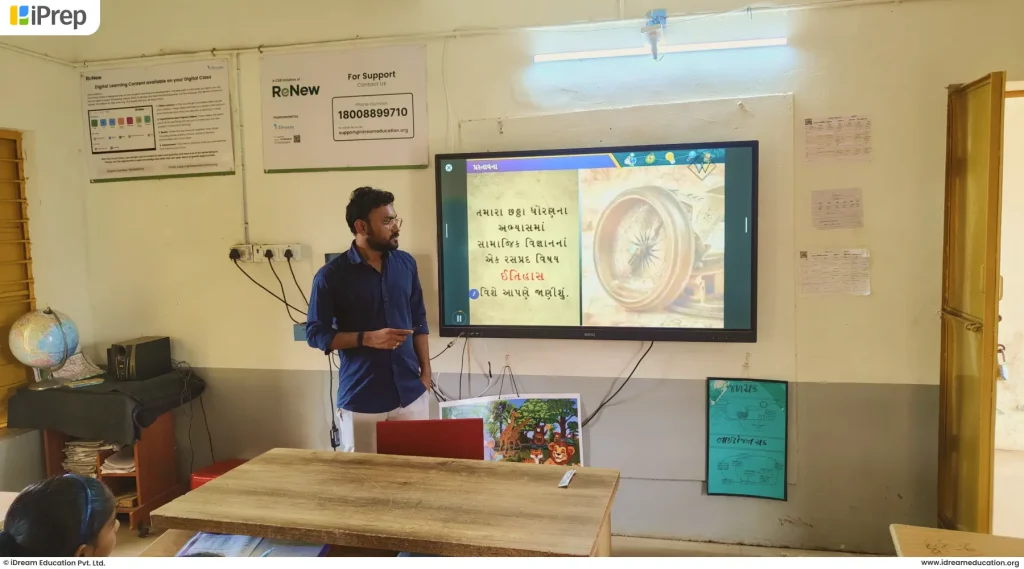
Across 32 government schools in Jharkhand, we saw an encouraging adoption and engagement trends for digital learning:
- 693 hours of learning were recorded across 32 schools over a 12-month period.
- Mathematics and Science emerged as the most engaged subjects across all smart class setup.
- Class 8 contributed 27.6% of the total platform usage, indicating strong engagement among upper-middle school students.
- The top 5 schools accounted for 53.6% of the total learning time, highlighting varying levels of adoption and engagement across schools.
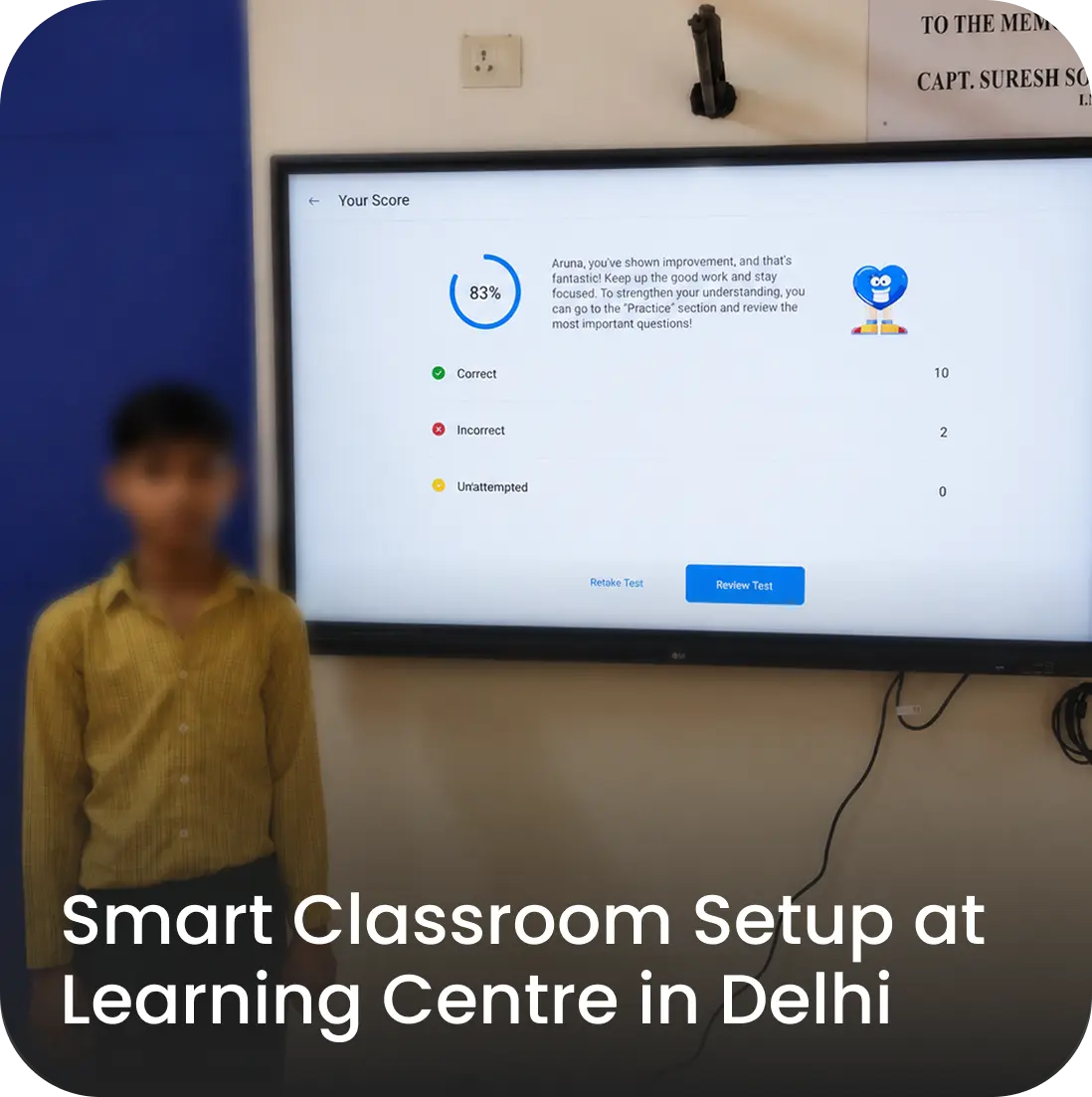
- The average test score across the implementation stood at an encouraging 74.6%.
These insights reflect the growing potential of digital learning in tribal schools when supported by teacher training, consistent monitoring, and strong on-ground implementation support.
This story highlights an important truth about digital education in India:
A meaningful impact in rural and tribal schools depends not only on devices and content, but also on teacher enablement, local partnerships, regular monitoring, and sustained community support.
As CSR/NGO continues to work towards enhancing learning experiences for learners of India, initiatives like these demonstrate how smart classrooms and digital learning can help improve educational access and classroom engagement even in the country’s most remote regions.