
What Does Equitable Access to Digital Learning Really Look Like? A Story from the Forests of Bastar
Across India, millions of students continue to face barriers to quality education due to geographical isolation, limited access to learning resources, language constraints, and inadequate digital infrastructure. These challenges are often more pronounced in rural, remote, and underserved communities, where schools struggle to provide engaging and high-quality learning experiences.
To address these gaps, foundations, CSR initiatives, and development organizations across India are increasingly investing in digital learning programs that improve access to quality education in underserved communities. This case study highlights one such large-scale initiative that established smart classrooms across five states – Maharashtra, Tamil Nadu, Karnataka, Chhattisgarh, and Bihar, to make quality, curriculum-aligned learning accessible to every child.
Among these locations, the schools of Bastar region in Chhattisgarh offer a powerful example of how thoughtfully designed technology can support equitable access to digital learning even in the most remote and challenging environments.
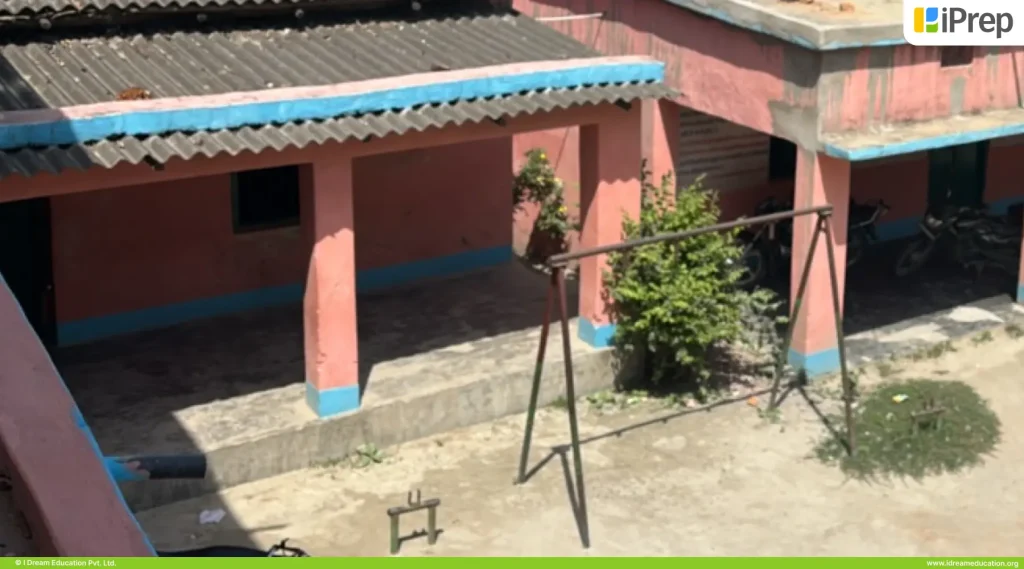
A Walk Through the Reality of Schools Located Deep in the Forests of Bastar
Around 70 kilometres from Kondagaon and further into the interiors of Bastar division are schools that operate under circumstances very different from those found in most parts of the country. Many of these schools are located in Naxal-affected regions where transportation is limited, connectivity is poor, and access to educational resources remains a persistent challenge. Yet every morning, classrooms fill with students eager to learn.

One of the most inspiring examples comes from a residential school in Narayanpur district.
The school serves children from surrounding villages, most of whom stay on campus throughout the academic year. Students live, study, and learn together in a safe residential environment, with separate accommodation facilities for male and female students. Teachers, many of whom belong to nearby communities, play a crucial role in supporting these students not only academically but also in their day-to-day development. In a region where transportation options become scarce after evening hours, the residential model ensures continuity of education while providing students with a stable learning environment.
Bringing Digital Learning into Remote Classrooms to Strengthen Teaching and Learning
A large CSR foundation partnered with iDream Education to implement a digital learning initiative across five states. As part of this initiative, 120 smart classrooms were established, including classrooms in this school in the remote regions of Chhattisgarh.
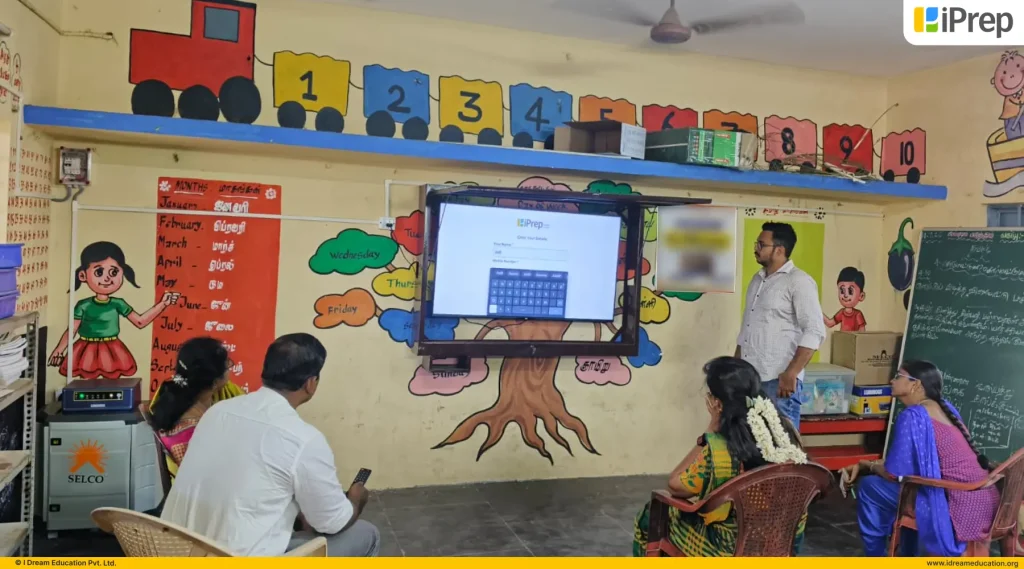
The schools were equipped with Smart TVs preloaded with state board-aligned digital content for Classes 1–12. Available in local languages, the content features videos, chapter summaries, practice question banks, and more visual learning resources that help teachers simplify complex concepts, enrich classroom instruction, and create more engaging learning experiences for students.
Designed for low-resource and low-connectivity environments, the solution operates entirely offline, ensuring uninterrupted and equitable access to digital learning across all schools. This is enabling teachers to seamlessly integrate digital resources into everyday classroom instruction while providing students with engaging learning experiences.
Designing EdTech to Work Where It Is Needed Most
The success of such digital learning initiatives lies not merely in installing devices in classrooms, but in ensuring that technology is designed around the realities of the schools it serves. While access to hardware is an important first step, equitable access to digital learning can only be achieved when it is supported by relevant learning resources that teachers and students can use meaningfully in their everyday teaching and learning journeys.
By combining Smart TVs with state board-aligned digital content, local language resources, and offline accessibility, the initiative ensured that technology became a practical classroom tool rather than just an installed asset. The solution addressed key barriers faced by schools in remote communities, including limited connectivity, restricted access to quality learning materials, and the need for resources that align with classroom teaching requirements.