
Personalised Learning with Education Tablets: Supporting Students to Bridge Learning Gaps
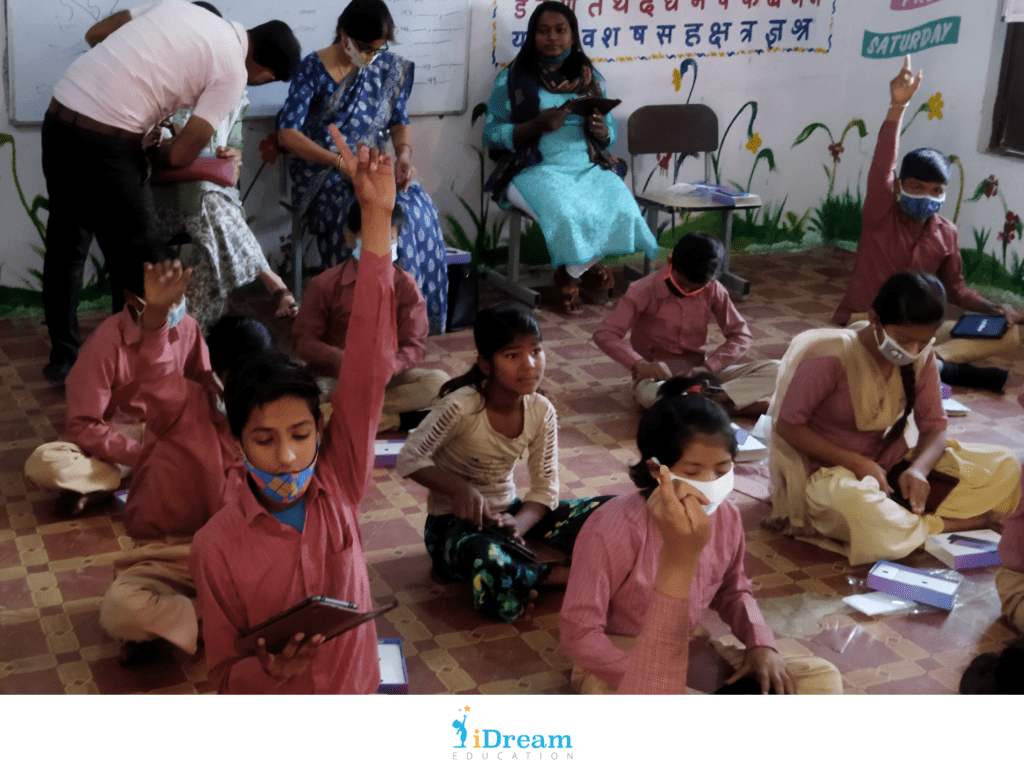
The COVID-19 pandemic disrupted learning for many government school students, with limited access to technology and learning resources widening existing learning gaps. As students returned to learning, there was a need for flexible solutions that could help them rebuild foundational skills in a supportive and non-judgemental environment.
To address this need, Non-Profit organisation for their community-based education initiative in Rewari, Haryana, partnered with iDream Education to introduce Education Tablets. The objective was to provide students with personalised learning opportunities that would help them strengthen their understanding of core concepts while learning at a pace that suited their individual needs.
Bringing Personalised Learning to Students
The implementation brought together community project coordinators, teachers and the iDream Education team. While local educators and coordinators understood the learning needs of the students, we supported the initiative with curriculum-aligned digital learning resources through iPrep Tablets.
Working together, the teams created an environment where students could access learning independently while continuing to receive guidance from teachers whenever needed.
The solution implemented was iPrep Tablets, preloaded with learning content aligned to the Haryana Board curriculum for Classes 1 to 5 in Hindi medium.
The implementation reached:
- One community learning centre in Rewari, Haryana
- More than 150 students
- Over 6 teachers and project coordinators
Each student was provided with access to a personalised learning device, enabling them to learn independently, revisit concepts and explore lessons across different grade levels based on their current learning needs rather than their age or class alone.
Preparing teachers and coordinators
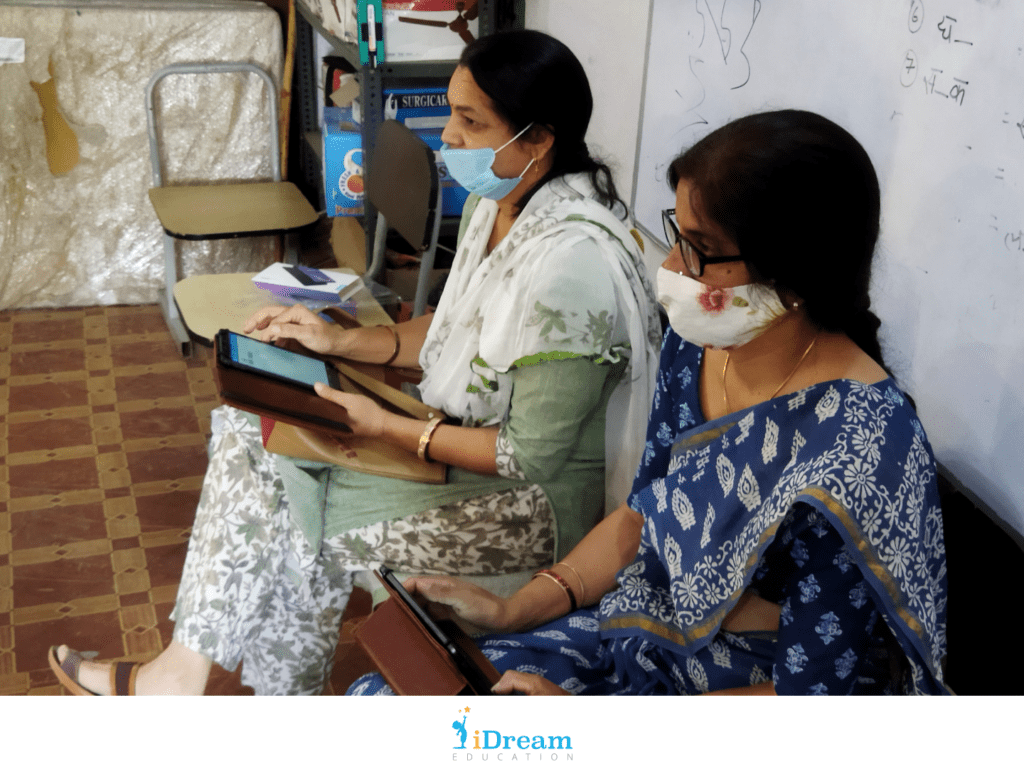
Before students began using the tablets, teachers and project coordinators were familiarised with the learning solution and its classroom application. They were supported in understanding how to integrate the tablets into regular learning sessions and guide students as they navigated curriculum-aligned content.
Because the learning resources were already organised according to the Haryana Board curriculum and available in Hindi, educators could begin using the solution with minimal disruption to their existing teaching practices.
What was observed during implementation
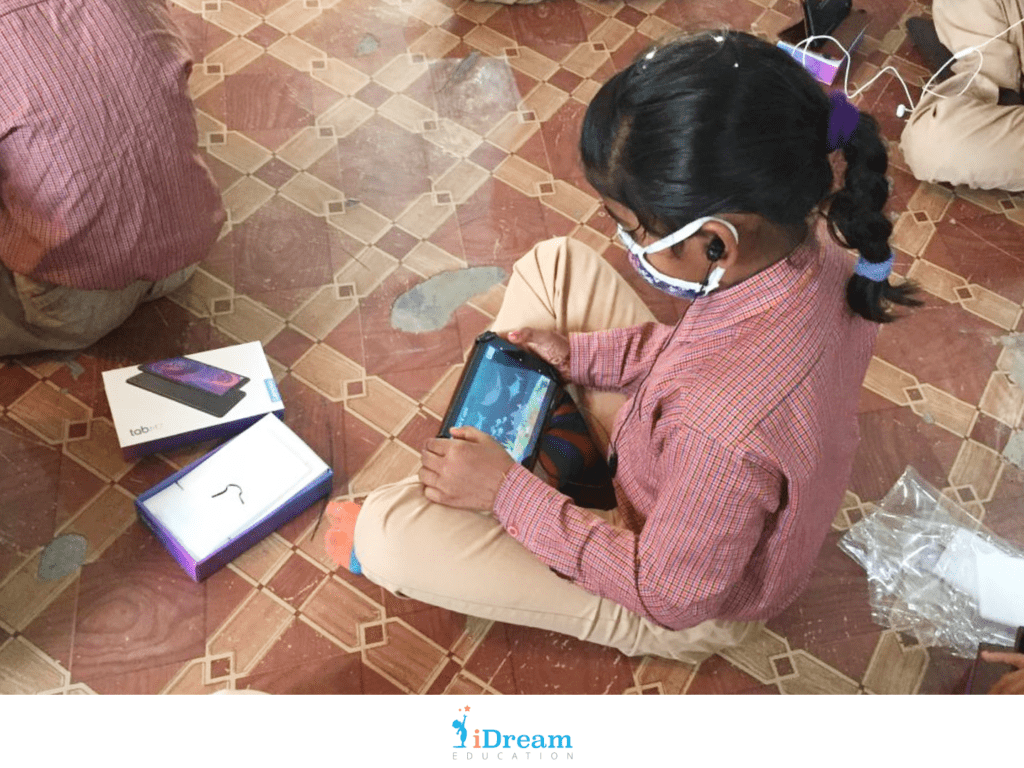
Students adapted quickly to learning with the Education Tablets. The curriculum-aligned content enabled them to move between class levels based on their individual learning requirements, making it easier to revisit concepts and strengthen foundational understanding.
Having access to individual devices also created a more comfortable learning experience. Students could learn at their own pace without worrying about making mistakes in front of others, encouraging greater confidence and participation during learning sessions.
Teachers and project coordinators observed that students were more willing to engage with learning activities independently, while the personalised nature of the solution helped reduce the time required to support learners in addressing learning gaps.
What happens next?
The implementation has demonstrated how personalised digital learning can support organisations working with government school students to provide accessible, curriculum-aligned learning opportunities.
Building on the experience in Rewari, similar implementations can help extend personalised learning to more students, enabling them to continue learning with confidence, strengthen foundational skills and access quality educational resources in environments that support their individual learning journey.