
Purpose-Driven Digital Learning: Smart Class Solutions for Schools Near the Organization’s Solar Plants
With a vision to enable purposeful digital learning to the last mile, a leading CSR organization partnered with us to implement 164 Smart Classes with curriculum-aligned digital content across 115 schools across 10 states. While the scale of the initiative was significant, each implementation had its own story and local context.
One of the Smart Class implementations had a story that came full circle.
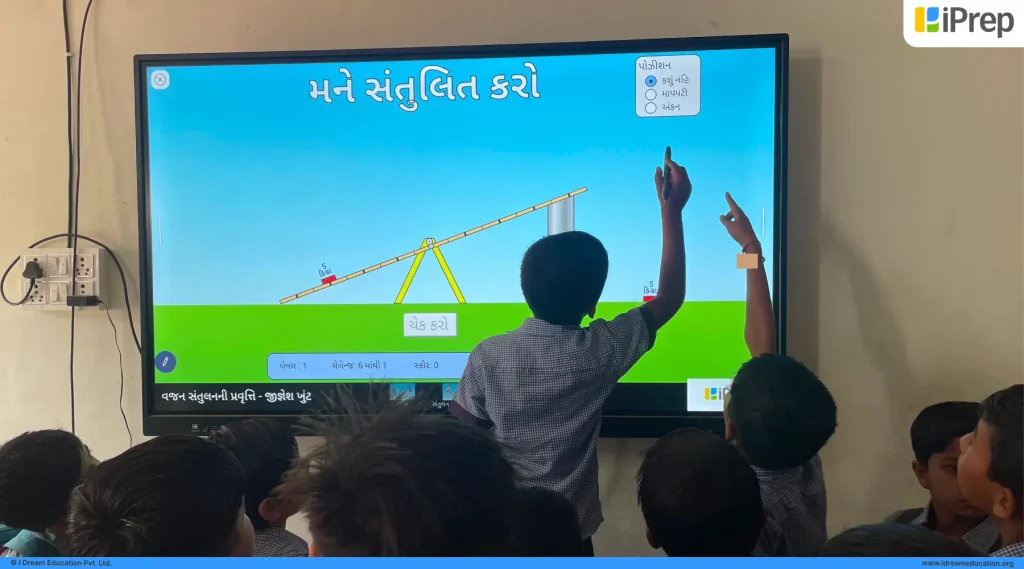
A trustee of the CSR organization had once been a student at the same school. Years later, when he had the opportunity to contribute to the community, he chose to give back to the institution that had shaped his early years. Knowing the school infrastructure closely, he supported the setup of a Smart Class, ensuring that generations from now would have access to digital learning opportunities and resources that were not available when he was growing up.
Another unique aspect of the program was the deployment of Smart Classes in schools located around the organization’s Solar plants.
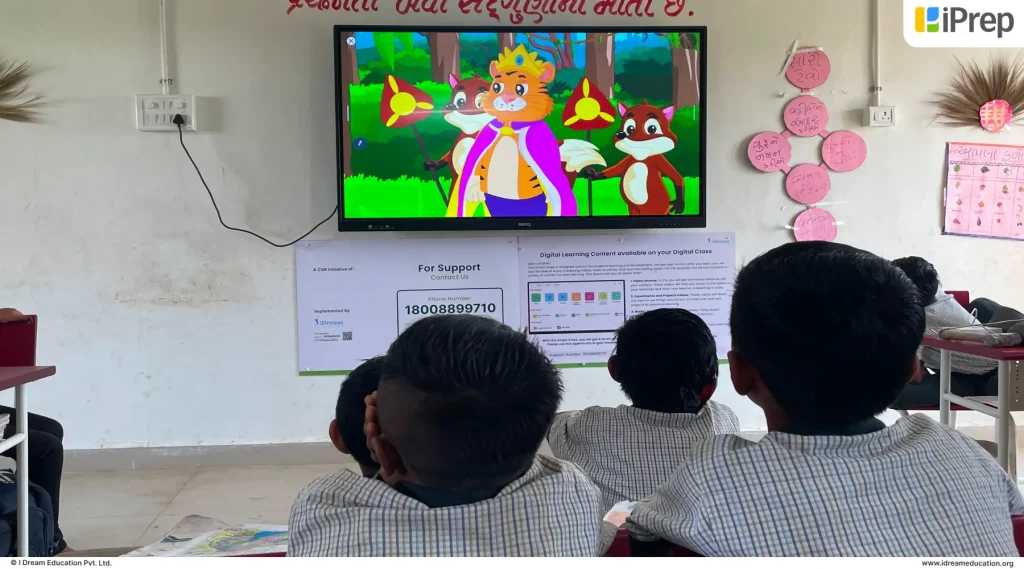
Several Smart Class solutions were implemented in schools located near the organization’s Solar plants. Being closely connected to these communities gave the CSR teams firsthand visibility into the needs of nearby schools and an opportunity to support them in a meaningful way. The initiative was not just about setting up Smart Classes, but about investing in schools and communities they know well and can continue to engage with, ensuring that the support creates lasting impact.
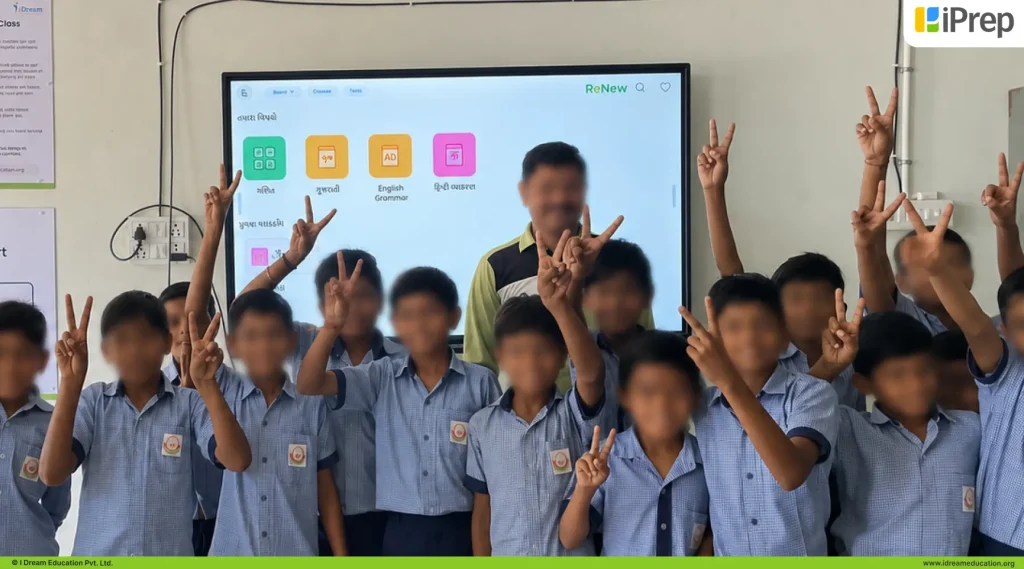
Today, these Smart Class solutions are being actively used by both teachers and students. Teachers are seamlessly integrating digital resources into classroom instruction, while students are enjoying more interactive and engaging learning experiences. For many schools, this is the first time that textbook content has been made available in a digital format. The response has been extremely encouraging, with schools expressing their happiness at being able to offer their students access to Smart Class facilities and the opportunities they bring.
Many manufacturing plants, industrial facilities, and business units are located in remote and semi-urban regions where surrounding communities often have limited access to quality education.