

You’ve allocated INR 5 crores to an education initiative. Naturally, your board expects measurable impact. But your education NGO partner sends monthly reports with phrases like “students showed improvement” and “teachers were engaged.”
When you ask for specific data (how many students moved from below grade level to grade level, or what percentage of teachers actively use the digital resources?), the answers get vague. This isn’t uncommon.
Last financial year, Indian corporations spent over INR 25,000 crores on CSR activities, with education receiving the largest share of nearly 30%. And still, learning outcomes continue to reveal persistent gaps.
In fact, the Annual Status of Education Report (ASER) 2024 shows that only 44.8% of Class 5 students can read a Class 2-level text, and less than 31% can solve a basic math problem.
The disconnect isn’t about funding availability. It’s about identifying education NGO partners with the specific capabilities, systems, and delivery frameworks needed to convert investment into measurable learning outcomes.
Let’s break down the five core capabilities you must verify when evaluating education NGO partnerships – and how to assess whether these capabilities exist in the proposed partnership model.
Understanding the Education Partnership Ecosystem
Before evaluating specific NGO capabilities, you need to understand how effective education interventions are structured today.
The Three-Tier Partnership Model
Tier 1 – CSR Departments (Your Role):
You provide strategic funding, governance oversight, and impact measurement requirements. Your job is to select the right implementation partners and hold them accountable to measurable outcomes.
Tier 2 – Education-Focused NGOs (Implementation Partners):
NGOs bring deep community networks, on-ground mobilisation capabilities, pedagogy expertise, and teacher training experience. They understand local contexts, manage school relationships, and design programmes that respect cultural and linguistic realities.
Tier 3 – Technology Implementation Partners (Enablers):
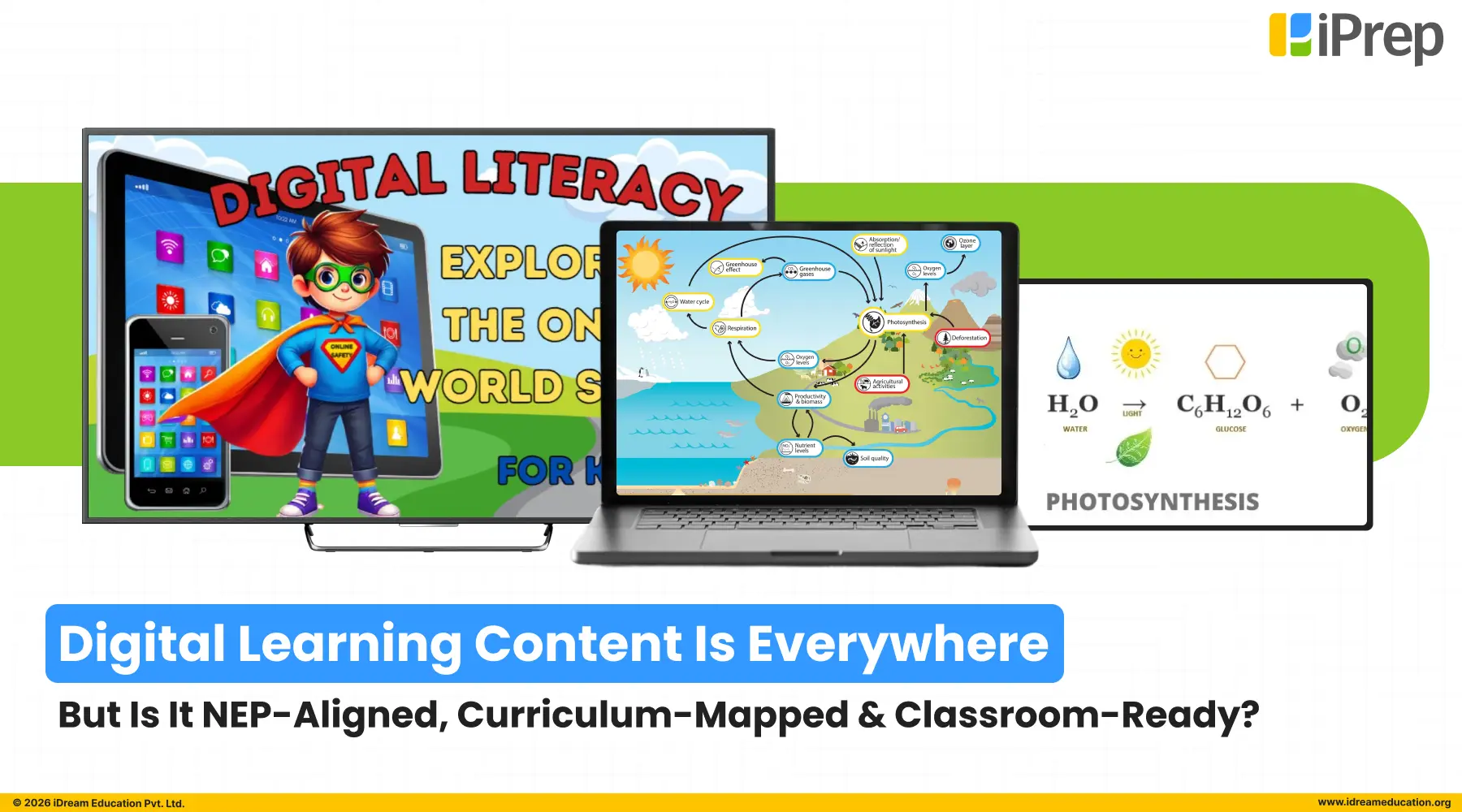
EdTech organisations like us provide what NGOs typically lack: enterprise-grade learning management systems, curriculum-aligned digital content libraries, offline-capable infrastructure designed for government school realities, and real-time reporting dashboards for CSR compliance.
Why This Matters for Your Evaluation
When evaluating potential NGO partners, you’re not assessing NGOs in isolation. You’re evaluating whether they’ve established the right technology partnerships to deliver all five capabilities outlined below.
Some capabilities (like community mobilisation and baseline assessments) are NGO-led. Others (like learning management systems and real-time reporting dashboards) require technology partnerships. Your evaluation must verify that the complete capability set exists within the proposed partnership structure.
You’re not choosing between NGOs with technology versus NGOs without technology. You’re verifying whether your NGO partner has established relationships with credible technology implementation providers.
No single NGO builds sophisticated LMS platforms, manages content updates across multiple state boards, or maintains device fleets at scale internally. The most effective CSR education investments happen when all three tiers work in clearly defined roles.
Pre-Screening Filter: Does Your NGO Partner Meet Foundational Requirements?
When evaluating education NGOs, prioritise partners who demonstrate strategic alignment with India’s National Education Policy (NEP) 2020 and related government frameworks like NIPUN Bharat, PM SHRI, and Samagra Shiksha.
Why does this matter for your evaluation?
Policy-aligned interventions help gain government support, integrate smoothly with existing education department priorities, and can deliver outcomes that strengthen (rather than fragment) the overall education ecosystem.
Look for education NGO partners who demonstrate alignment through:
- Policy-Aligned Strategy: Their intervention logic directly maps to NEP 2020 pillars rather than operating independently of government education priorities.
- Curriculum Expertise: Teams include academic specialists familiar with NCERT frameworks, state board requirements, and competency-based assessment models.
- Measurable Outcomes: They use government-recognised assessment frameworks (FLN competencies from NIPUN Bharat, grade-level learning outcomes from state boards) rather than self-created metrics that don’t translate to system-level improvements.
- Data-Driven Decision-Making: Their programmes use assessments, analytics, and monitoring tools aligned with PM SHRI school quality standards at every stage of intervention.
- Technology Standards: They demonstrate established relationships with technology implementation partners whose digital solutions meet specifications from schemes like PM SHRI (which allocates up to INR 10 lakh per school for ICT infrastructure) and Samagra Shiksha’s ICT in Education component.
Policy-aligned NGO partners face fewer implementation roadblocks because government education officials view them as complementary to (rather than competitive with) existing initiatives.
In practice, you’re evaluating a delivery system: CSR funder + NGO implementer + technology partner. The impact depends on all three.
Core Capability 1: Assessment and Baseline Establishment (NGO-Led Capability)
Before any intervention begins, serious education NGOs will always start with a thorough diagnostic. Look for partners who conduct:
- School Profiling: A detailed understanding of infrastructure, classroom conditions, teacher availability, and community dynamics.
- Learning Level Assessments: To reveal grade-level gaps in foundational literacy and numeracy.
- Teacher Competency Mapping: To identify skill gaps that training programmes must address.
- Baseline Metrics: Clear, measurable indicators covering attendance, digital readiness, learning levels, and classroom engagement.
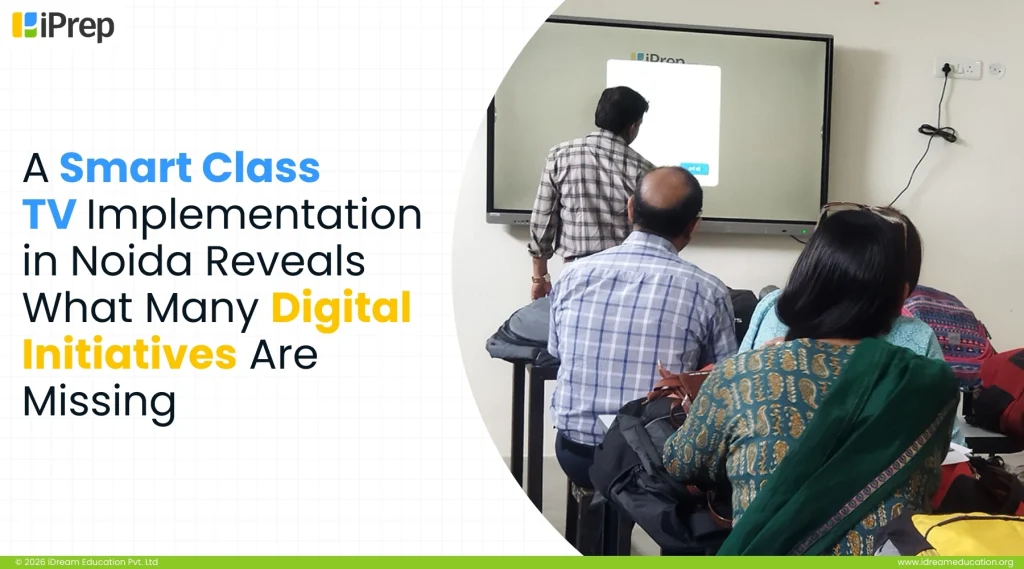
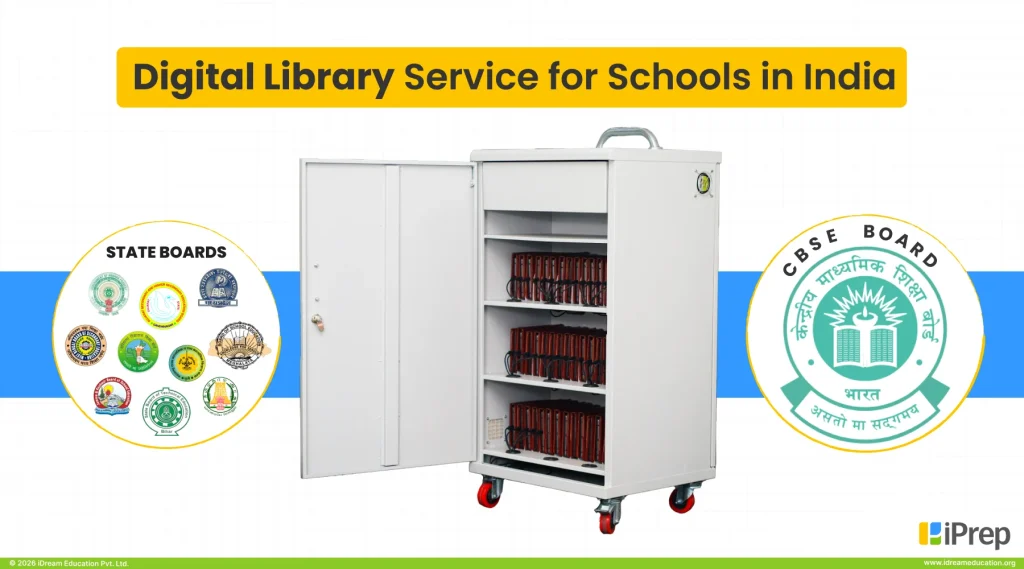
A practical example comes from the Digital Library implementation at Yellow Room with Sarthak Foundation in Noida.
Here, baseline learning levels were captured before students began using iPrep tablets. This allowed NGO teams to identify learning gaps and later compare improvements in engagement and subject-wise usage. The baseline insights also helped teachers decide which subjects needed more structured support.
Along with the above, you should also look at what poor assessment would mean.
What Poor Assessment Looks Like
NGOs start implementation without any structured assessment; they report generic statements like “students had learning gaps” without numbers.
The baseline data must be strong enough for you to confidently measure change six months or a year later.
Core Capability 2: Comprehensive Digital Learning Implementation (Requires Technology Partnership)
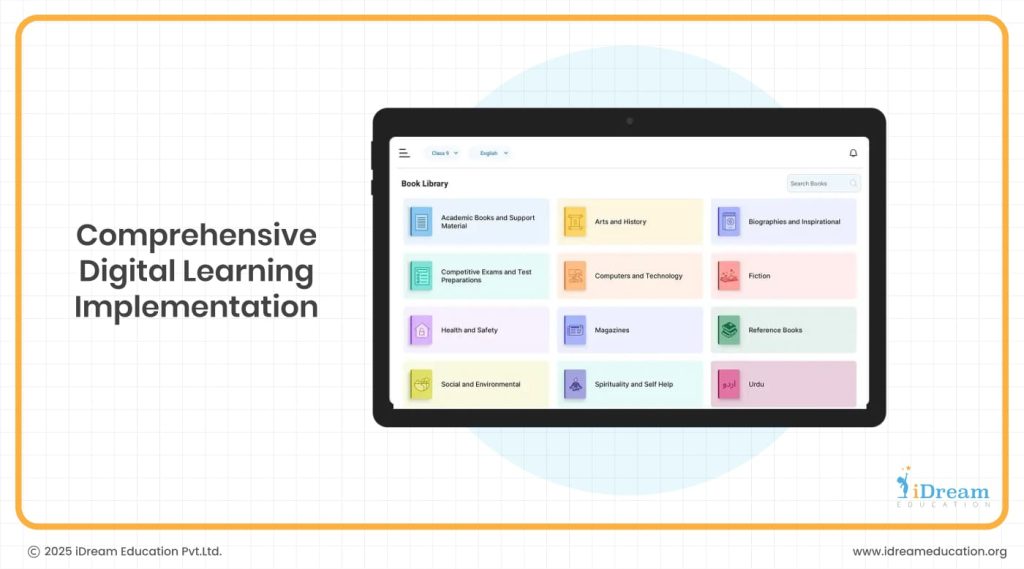
Once baseline assessments are set, implementation begins. When evaluating NGO proposals at this stage, verify they have robust technology implementation partnerships and their partner provides:
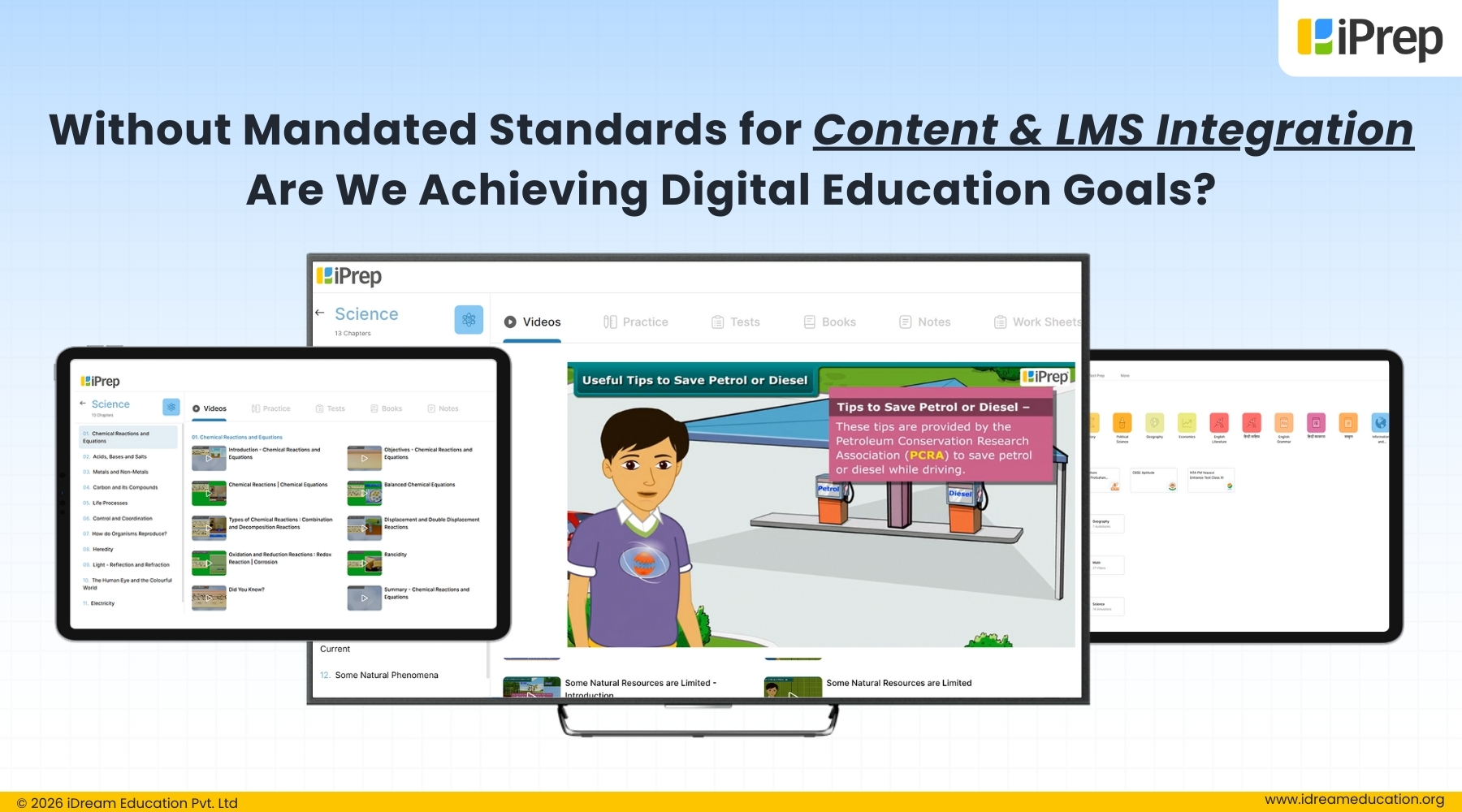
Curriculum-Aligned Content: Digital content aligned with the state board and available in local languages.
Structured Support for Teachers: Provide Teacher Resource Packages (TRPs) to build confidence in teaching and training.
Offline-Capable Digital Content (via the technology partner): Essential in most government schools and remote areas where internet connectivity and electricity are unreliable.
Powerful, integrated Learning Management System (LMS) (via the technology partner): For unified access to resources, teaching materials in local languages, and attendance and progress tracking in real-time.
Interactive Content Format (via the technology partner): Videos, quizzes, audiobooks, and animations to keep learning relevant, accessible, and adaptive, ensuring children stay motivated.
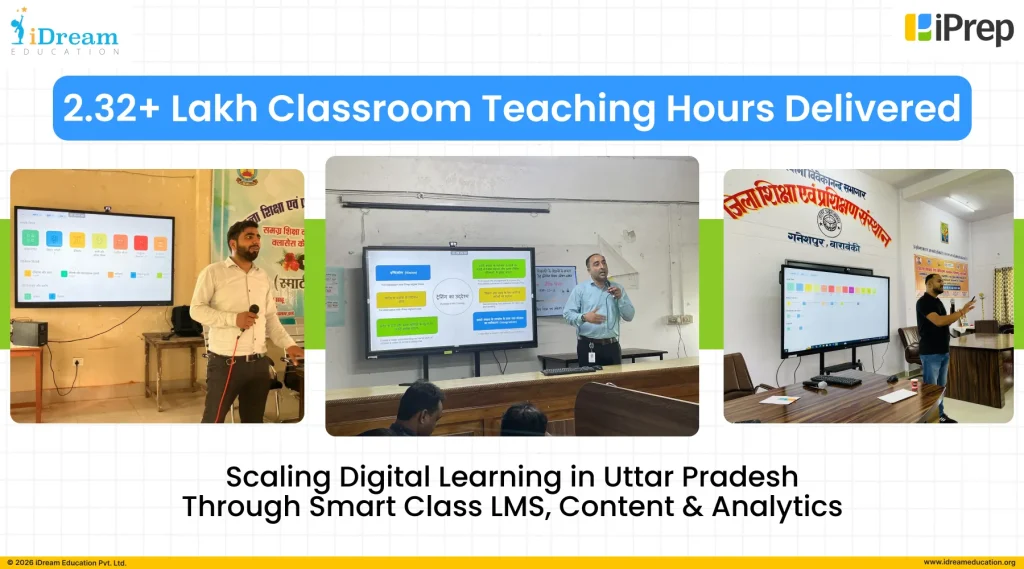
A detailed implementation example comes from the END Poverty NGO, which helped implement iPrep Digital Classrooms in Bulandshahr, Uttar Pradesh.
Through this partnership, schools received:
- Offline-capable curriculum-aligned digital content in Hindi and English for all subjects from grades 1st to 12th.
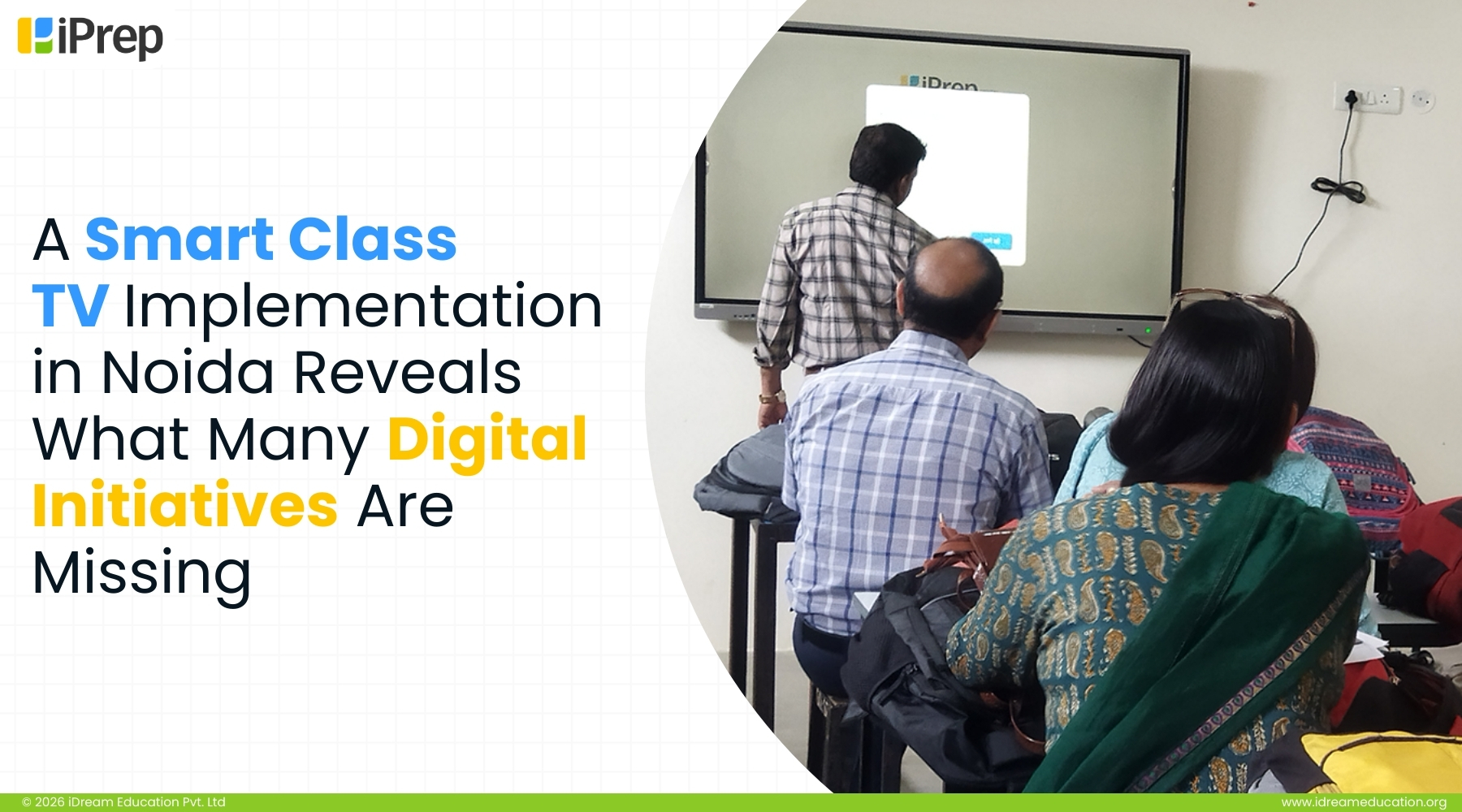
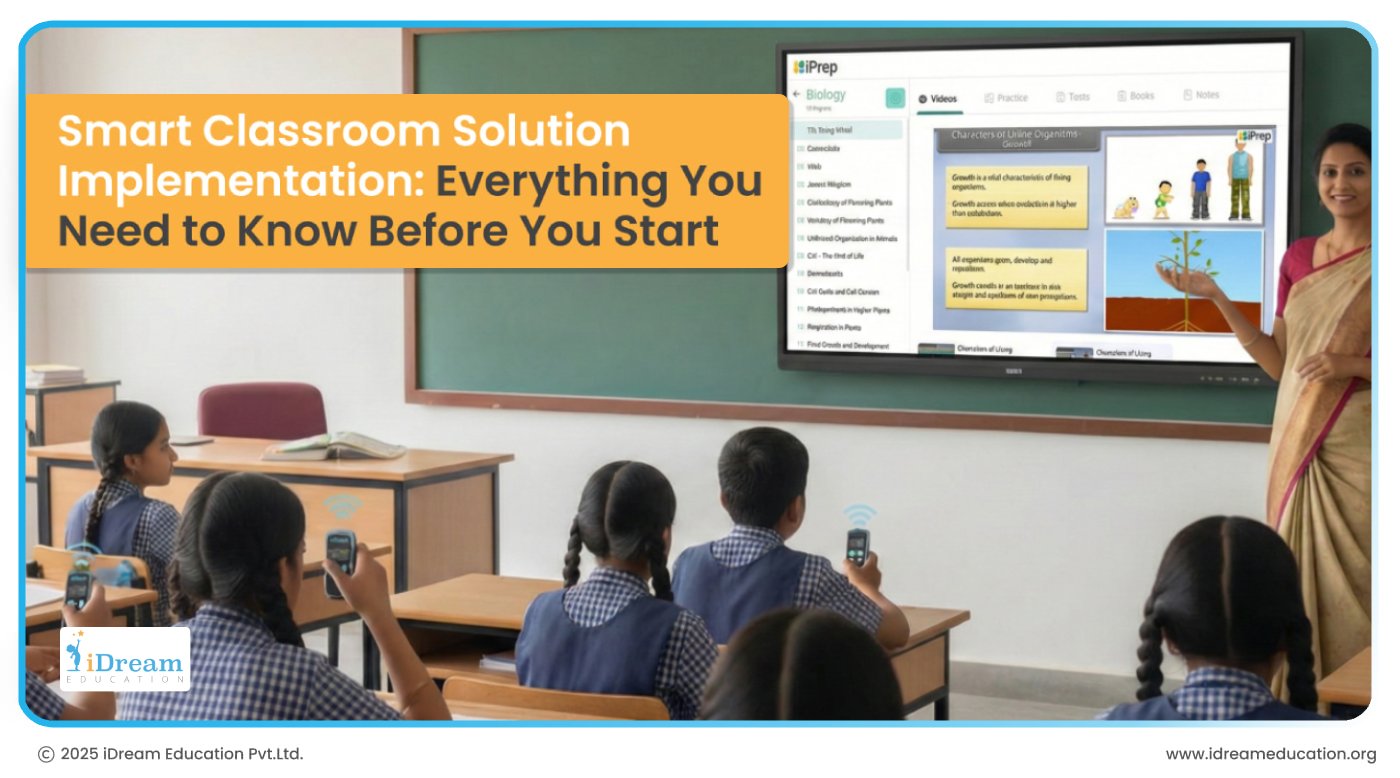
- Content delivered on Android TVs and Interactive Flat Panel Displays.
- Structured digital lesson support for teachers.
Curriculum-aligned content means more than just covering syllabus topics.
When evaluating NGO proposals, verify that their technology implementation partner provides content mapped to specific NCERT chapters and state board learning outcomes, assessment frameworks aligned with NIPUN Bharat competency markers for foundational literacy, reporting structures compatible with UDISE+ data requirements, and offline functionality.
This last point is critical since UDISE+ 2024-25 showed that, while improving, only 63.5% of government schools had functional internet.
Red Flags to Watch
- Manual worksheets without digital integration.
- Devices distributed without teacher training.
- Fragmented, non-aligned interventions.
Core Capability 3: Data-Driven Monitoring and Reporting (Requires Technology Partnership)
Measurable outcomes rely on real-time data, not periodic narrative updates. When evaluating education NGO proposals, verify that their technology partner’s reporting infrastructure includes:
- Real-Time Attendance Tracking (via the technology partner’s dashboard): Shows the actual classroom strength for each subject.
- Learning Progress Monitoring (via the technology partner’s reporting system): Reveals who’s advancing and who’s falling behind.
- Usage Analytics (via the technology partner): Tells you how teachers and students interact.
- Outcome Measurement Frameworks: Clear link between activities and results.
These reporting capabilities require enterprise-grade technology infrastructure. When evaluating education NGO proposals, ask specifically: “Which technology implementation partner provides your reporting dashboards? Can we see a demo of the actual system?”
What Poor Monitoring Looks Like
- Monthly reports with no quantifiable data.
- No tracking of teacher adoption.
- No visibility into student performance.
These reporting dashboards deliver clearer ROI. You don’t just see that ‘X’ number of teachers were trained, you also see how that training changed student performance in specific subjects.
With strong reporting frameworks, you can calculate return on investment, prepare straightforward board presentations, and respond to questions on the impact with concrete evidence.
Core Capability 4: Sustainable Long-Term Support (Collaborative NGO + Technology Partnership Capability)
Learning outcomes improve sustainably when programmes extend beyond the first cycle. When evaluating partnerships, verify that both the NGO and their technology partner demonstrate:
- Continuous Teacher Training Development: To keep skills sharp as curricula change for year-on-year digital and pedagogical adoption.
- Community Engagement Models: To bring parents, school management, and district education officers into the process.
- Scalability Planning: To build capacity that outperforms the first project timeline so that successful models in pilot schools get adopted by neighbouring institutions.
Mount Valley Development Association’s phase-2 implementation of digital classrooms in Tehri Garhwal, Uttarakhand, (a collaboration between LIC Housing Finance, Mount Valley Development Association, and iDream Education) demonstrates this multi-phase approach.
After phase 1 showed strong teacher adoption and improved student attendance, phase 2 expanded to additional schools. Teachers from phase 1 schools reported that continuous access to digital content enabled them to move from basic device familiarity to integrating it into daily lesson planning.
Core Capability 5: Technology Infrastructure and Field Support (Technology Partner Capability – NGO Must Verify Access)
During proposal reviews of NGOs in education, you’ll often encounter impressive pedagogy frameworks and community mobilisation plans, but vague answers when you ask technical implementation questions.
Red Flag Questions That Reveal Technology Gaps:
Q 1. “How will lesson content reach 50 schools with unreliable internet connectivity?”
Q 2. “Who troubleshoots when tablets malfunction during exam season?”
Q 3. “How do you update curriculum content mid-year across multiple districts?”
Q 4. “What’s your process for generating real-time usage data for board presentations?”
Most education-focused NGOs can’t answer these questions confidently because they lack the technical infrastructure to deliver digital learning at enterprise scale.
This isn’t a criticism of NGOs. Community mobilisation, pedagogy design, and teacher training require completely different capabilities than building learning management systems or managing device fleets.
What to Verify in Technology Partnerships
Effective NGO partners acknowledge their technical limitations openly and demonstrate established relationships with technology implementation providers who bring:
Infrastructure Capabilities:
- Offline-first learning systems since many schools still lack functional electricity, making internet-dependent solutions impractical.
- Multi-device deployment expertise (tablets for Digital Libraries, Interactive Flat Panels for Smart Classrooms, TV-based solutions for existing infrastructure).
- Field technical support teams separate from pedagogy trainers.
Content and Compliance:
- Pre-configured curriculum libraries aligned with specific state boards and NEP 2020 competency frameworks.
- Content update processes that don’t require months of lead time.
- Reporting formats compatible with CSR compliance requirements and board presentation standards.
Single-Window Coordination:
Your CSR team shouldn’t need separate relationships with device vendors, content creators, technical support, and reporting teams.
Look for NGO partnerships where one technology provider handles all technical escalations.
The Practical Test:
Ask your NGO: “If 20 devices fail simultaneously in different districts, what happens next?“
Strong NGO-technology partnerships have clear escalation processes and field support infrastructure. Weak partnerships result in your NGO’s pedagogy team trying to troubleshoot hardware issues instead of training teachers.
This division of labour (education NGOs managing the community engagement and pedagogy while leveraging technology partners for infrastructure) is what enables interventions to scale from pilot projects to state-wide implementations.
Evaluation Framework for CSR Partners
When evaluating potential NGO partners, ask these specific questions:
- What’s their assessment methodology? If they can’t explain how they establish baselines, they can’t demonstrate impact.
- What percentage of their budget goes to direct program delivery versus overhead?
- How do they handle technical failures or implementation challenges?
- Do they have access to an established learning management system via a named technology implementation partner, and can they demonstrate its reporting capabilities align with your CSR requirements?
Request sample reports from previous implementations and look for specific numbers (e.g., how many students passed with distinction), not general statements about helping children.
Watch for these red flags: vague success numbers, reluctance to share data in detail, over-reliance on testimonials instead of statistics, and inability to explain their theory of change.
On the other hand, clear success indicators include student learning gains, teacher adoption rates, regular reporting cadence, transparent budget utilisation, and evidence of continuous improvements.
Making Your CSR Education Investment Count
The gap between India’s current education outcomes and where they need to be requires more than goodwill to close. It needs education-based NGO partners with specific capabilities and proven track records.
When evaluating your next education partnership, ensure your NGO has established relationships with technology implementation partners who can deliver the infrastructure, reporting, and scale capabilities your investment requires.
iDream Education partners with CSR departments and their chosen NGO implementation partners to deploy curriculum-aligned digital learning systems across government schools and learning centres.
Our role is clear: we provide the technology backbone (learning management systems, offline-capable content, real-time dashboards, field technical support) while your NGO partner focuses on pedagogy, teacher development, and community engagement.
Till date, we’ve digitised over 25,000 classrooms across 23 states, with deployment timelines averaging 15-20 business days. Our reporting frameworks integrate with CSR compliance requirements, and our technology is built for the realities of government school infrastructure.
If you’re evaluating education-based NGO proposals for your upcoming education initiatives, connect with our team at +917678265039">+91 7678265039 or share@idreameducation.org to understand how iPrep, a K12 learning app, and our integrated learning solutions support measurable outcomes.
Categories You may Explore
Related Articles