Across the MENA region, governments have invested heavily in school infrastructure over the past two decades. Classrooms have been built, devices distributed, connectivity improved. Yet the 2019 PISA results showed students in many Arab countries performing several years behind peers in East Asia and Europe, despite comparable per-student expenditure in some cases. The 2022 results confirmed the pattern. The gap is not a hardware gap. It is a learning gap — a consistent mismatch between where students actually are and where the curriculum assumes they are.
A student in Grade 6 who has not mastered Grade 3 arithmetic is not helped by a smart classroom. They may be further disengaged by it — watching a lesson they cannot follow from a screen that is better than anything they have seen before. What that student needs is a learning experience that meets them at their actual level, without judgement, without a teacher needing to admit in front of the class that they are behind.
An excellent example of this has been seen in Afghanistan. With the support of an iNGO, iDream set up a tablet-based learning programme for 40,000 Afghan students. The programme specifically aimed to bridge historical learning gaps in students from grades 5 to 7 at a crucial stage — hence preventing the gap from compounding. The results in the first year itself have been encouraging. An average improvement of 42 percentage points across Science and Maths has been observed.

What Personalised Adaptive Learning Does Differently
iPrep PAL — our Personalised Adaptive Learning platform — begins with a diagnostic. Before a student engages with any content, the platform assesses what they know and what they do not. It then builds a personalised learning path: routing the student back to wherever the foundational gap begins, guiding them through remedial content, and returning them to grade level only when they have demonstrated mastery. The student experiences this not as ‘being sent back’ but simply as ‘starting here’ — because the interface is built to feel like personal progress, not institutional failure.
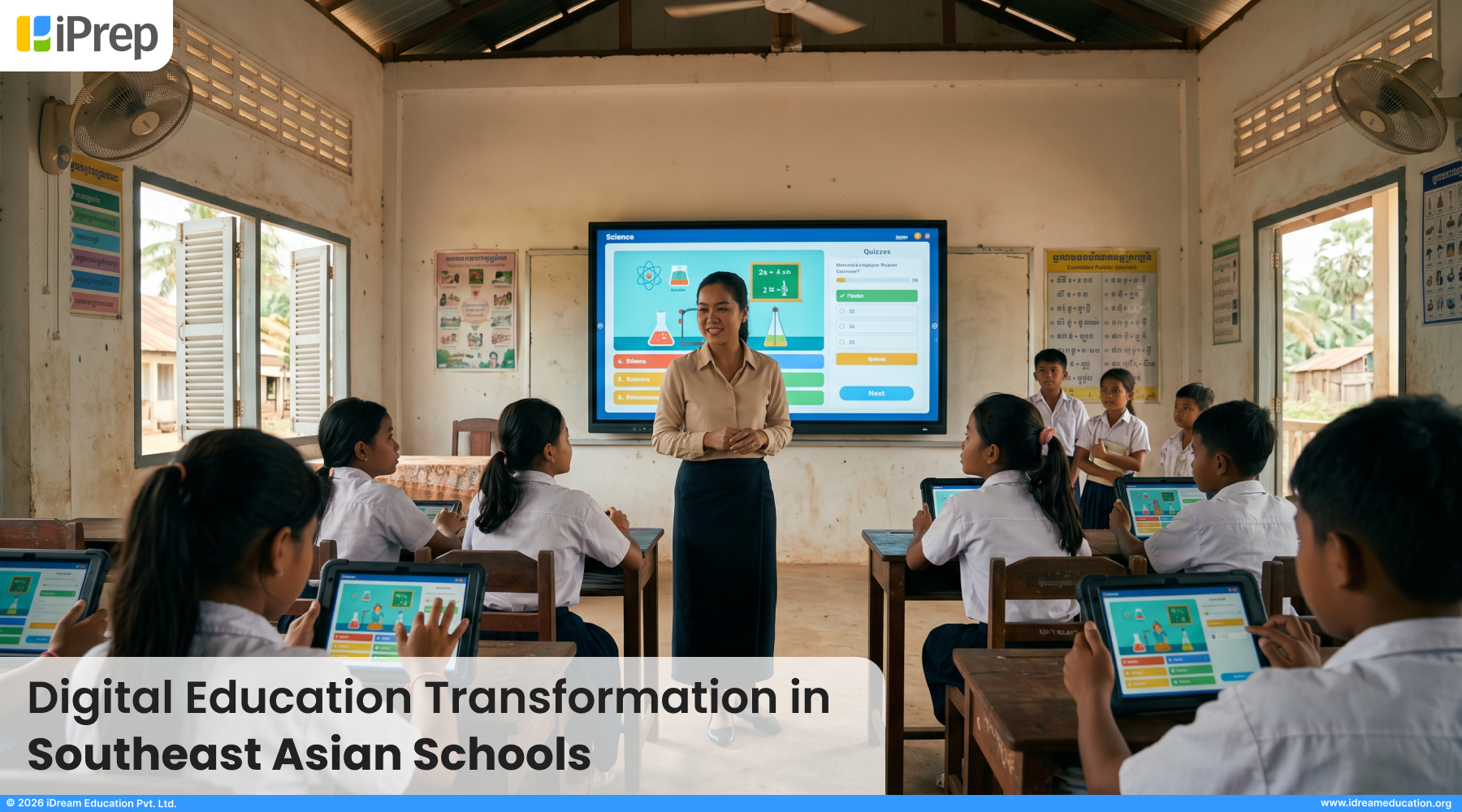
iPrep PAL works offline, runs on shared tablets, and requires minimal teacher supervision. This matters because most adaptive learning platforms that exist in the market assume reliable internet, individual devices, and technically confident teachers. We built iPrep PAL specifically because those assumptions were not true in the schools we were working with in India — and they are not true in the vast majority of government schools in the Arab world either.
The Evidence: Half a Million Students, Measurable Outcomes
The World Bank has listed Personalised Adaptive Learning among its Smart Buys for Education — a curated set of cost-effective interventions with strong evidence of impact in low- and middle-income countries. At iDream, we implemented iPrep PAL for a state government programme in India covering 500,000 students across five subjects. Students who engaged consistently with PAL moved from below-25% scores on a given topic to above-80% on post-assessments. These are not results from a funded research pilot. They are system-level outcomes from a programme where tablets were distributed across an entire state and students used the platform largely independently.
This model can now be easily adopted by Middle Eastern countries that have significant similarities in curriculum with India.
Why This Matters Specifically in the Arab World
Several conditions in the Arab world make iPrep PAL particularly relevant right now. Multi-grade classrooms remain common in rural Egypt, Morocco, Yemen, and Iraq — environments where a single teacher cannot provide differentiated instruction without technological support. Refugee education programmes in Jordan, Lebanon, and Turkey serve students who have experienced severe learning disruption, with learning levels often several grades below their enrolled grade. And across the Gulf, government-funded education reform programmes are actively seeking evidence-based interventions that demonstrate measurable outcomes, not just usage metrics.
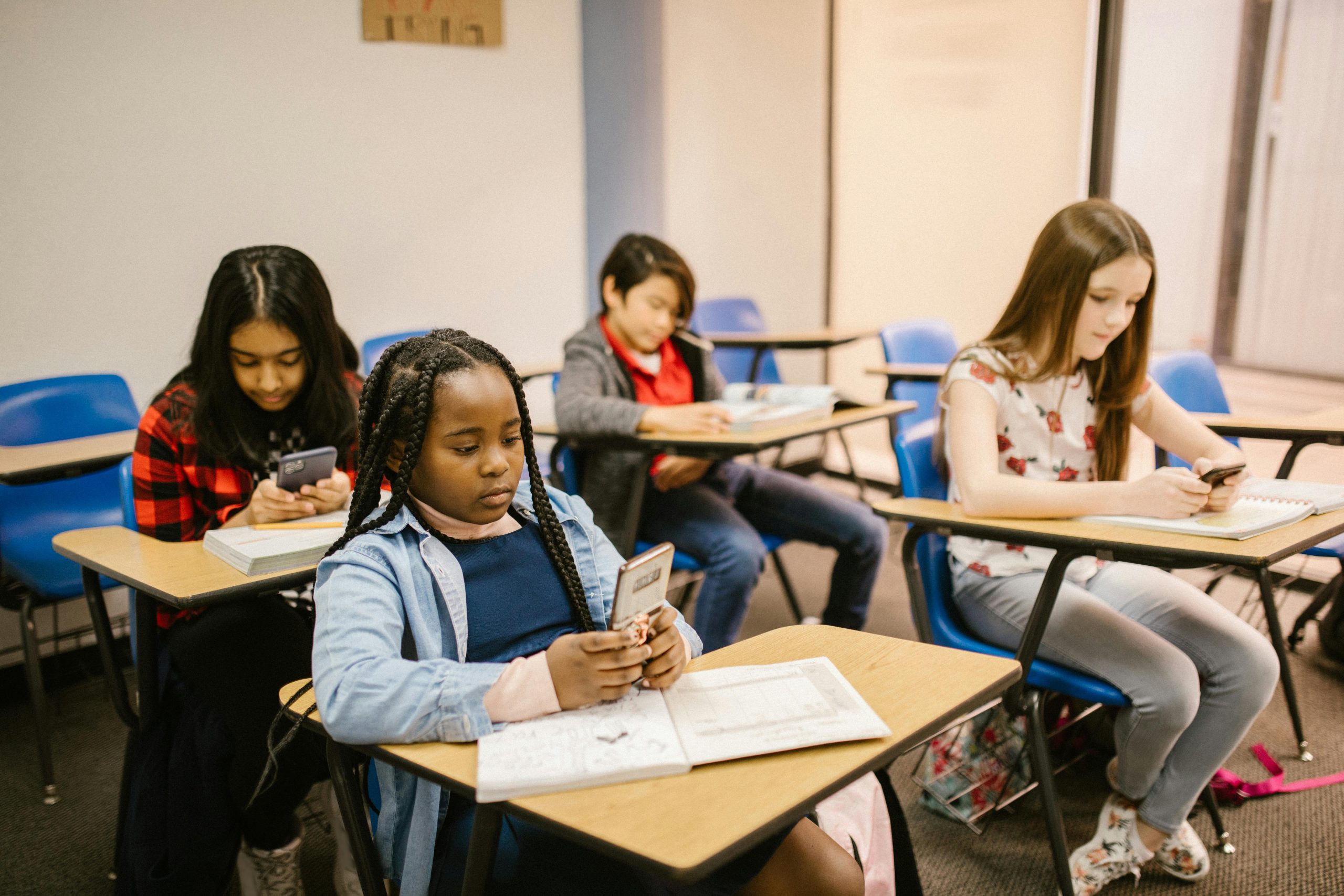
iPrep PAL addresses all three contexts without requiring the teacher to manually assess every student, and without requiring the student to be honest about their learning level. The platform adapts based on what the student actually does, not what they report. For resource-constrained environments, mobile charging racks that simultaneously store and charge devices enable a systematic shared-device model: 20–60 devices can immediately serve 200–500 students, where students from different classes simply come, take out a device, sign in, and start learning where they last left off. In environments with fewer resource constraints, individual learning devices have been given and have led to unprecedented learning outcomes.
For NGOs, Education Ministries, and Programme Managers
If your organisation is running an education programme in the MENA region — whether funded by a bilateral donor, a Gulf foundation, or a government ministry — and you are looking for an adaptive learning solution proven at scale in structurally similar conditions or scalable digital learning infrastructure, we welcome a detailed conversation. iPrep PAL runs on tablets, Chromebooks, or desktops, works offline or online, and includes reporting tools that give programme managers visibility into learning outcomes at student, class, school, and district level. If you wish to explore how iPrep can support your learning programme, please write to us at [email protected].
Frequently Asked Questions -
1. Is iPrep PAL available in Arabic?
The platform framework supports Arabic localisation. Content development in Arabic is available through a co-development partnership. We welcome conversations with education ministries and NGOs who would like to develop Arabic-medium adaptive content aligned to their curriculum.
2. How does PAL handle students who are significantly below grade level?
The diagnostic identifies the foundational gap regardless of how many grade levels below the enrolled grade it sits. PAL routes the student to appropriate remedial content without stigma — the experience is simply 'starting here' on a learning journey.
3. Can iPrep PAL integrate with existing school management or MIS systems?
Yes. iPrep has API and data export capabilities that can be integrated with existing school management information systems used by ministries or programme management teams.
Categories You may Explore
Related Articles