

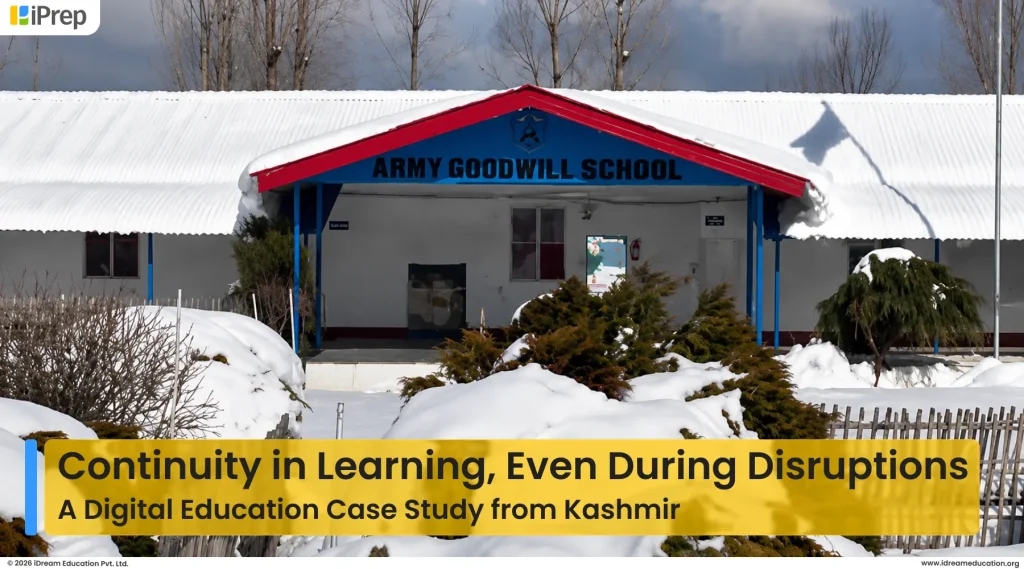
Snow-covered mountains, remote valleys, long winters, and frequent disruptions have shaped the educational journey of thousands of students across Kashmir for years. In many parts of the region, reaching schools itself can be difficult, while internet shutdowns, weather conditions, and interrupted academic calendars further impact continuity in learning. Yet, despite these challenges, the desire to learn remains strong among students and teachers alike. This case study explores how digital education initiatives across Army Goodwill Schools (AGS) in Kashmir helped create more continuous and accessible learning opportunities.
To support education in these regions,
The Indian Army has established Army Goodwill Schools (AGS) across several remote areas of Kashmir. Over the years, these schools have worked towards providing better educational opportunities through classrooms, laboratories, and teacher support initiatives. However, challenges such as internet dependency, electricity availability, and ease of technology usage continued to affect regular access to digital learning resources.
As part of efforts to strengthen classroom learning and improve access to educational content,
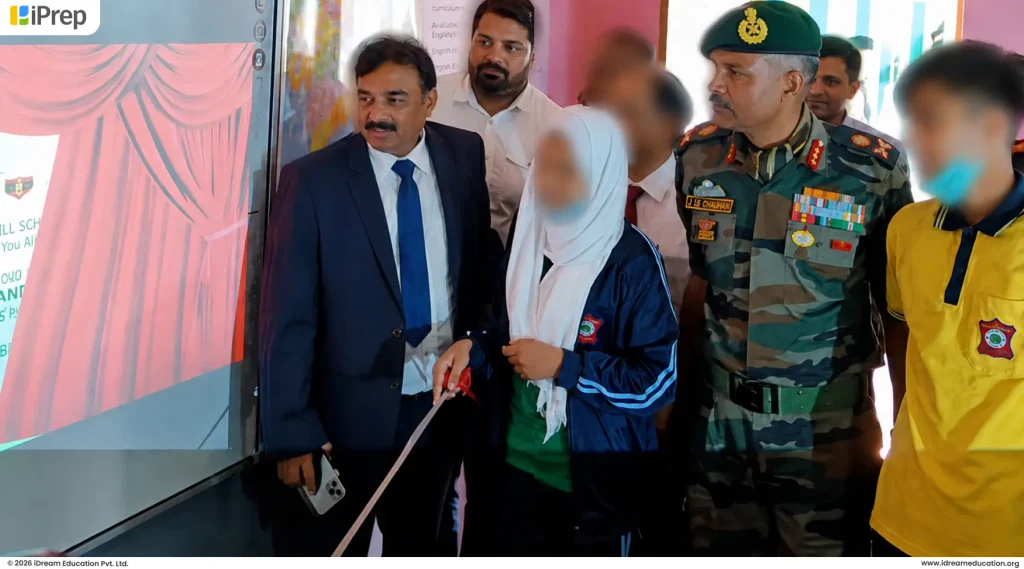
Digital learning solutions were introduced across AGS schools in collaboration with iDream Education. The initiative focused on creating an easy-to-use and low-dependency digital learning environment that could function effectively even in difficult conditions.
Let’s understand the local challenges
During interactions with students and teachers across AGS schools, several concerns emerged around interrupted academic schedules and limited learning time. Teachers shared that frequent disruptions often compressed the academic calendar, making it difficult to complete the syllabus and ensure conceptual understanding among students. At the same time, students showed a strong willingness to continue learning despite these challenges. Many students shared how they would access educational videos late at night using their parents’ mobile phones to revise classroom concepts, whenever they got access to the internet.
Digital Learning Solutions Implemented
To support both classroom and home learning, multiple digital learning solutions were implemented across 10 AGS schools.
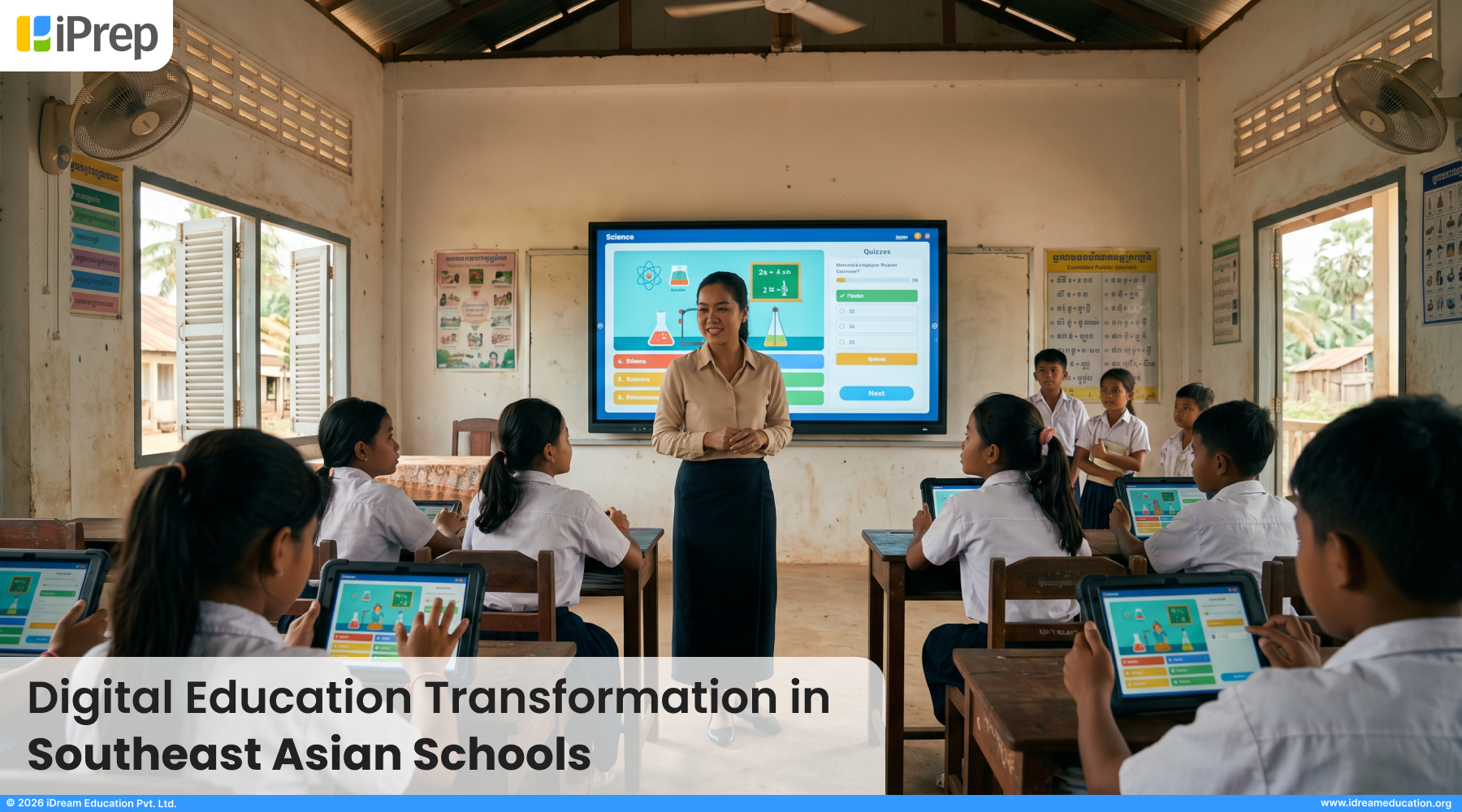
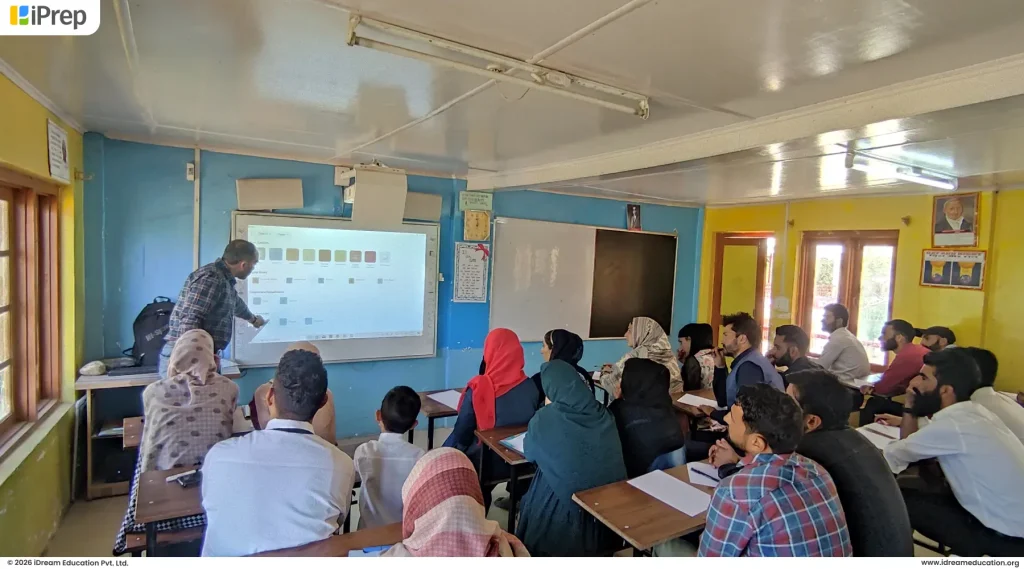
- Smart Classrooms: 128 classrooms were equipped with smart classroom setups including projectors, screens, and offline local servers. Teachers were provided access to curriculum-aligned digital content for all classes through a simplified LMS designed for regular classroom usage.
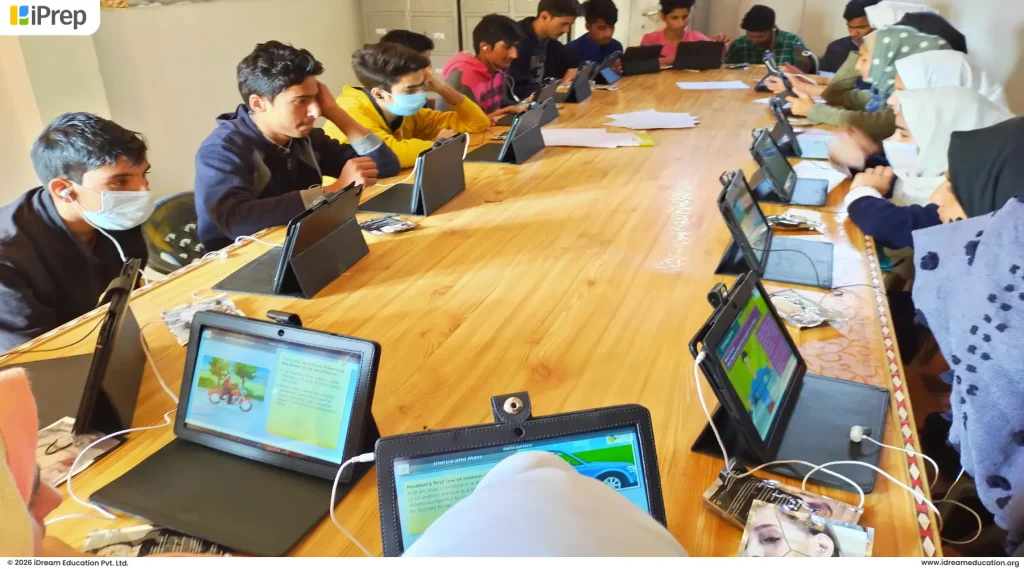
- Digital Libraries with Tablets: Tablet-based digital libraries were introduced with learning tablets for students and teachers. The tablets contained preloaded educational content aligned to the Jammu & Kashmir Board curriculum for Classes 1 to 12 in both Hindi and English medium.
Learning Continuity During Lockdowns
Soon after the implementation, schools experienced another extended disruption due to lockdowns. Maintaining continuity in learning became an immediate concern for school principles and teachers.
During this period of school closures, more than 2000 students were provided access to the iPrep Learning App, enabling them to continue learning from home through curriculum-aligned digital content available on mobile devices. Students could access animated lessons, practice questions, and learning materials using their parents’ phones, helping them stay connected with their studies despite limited classroom access. Usage reports indicated regular engagement from students, with many spending over 30 minutes daily on learning activities multiple days a week.
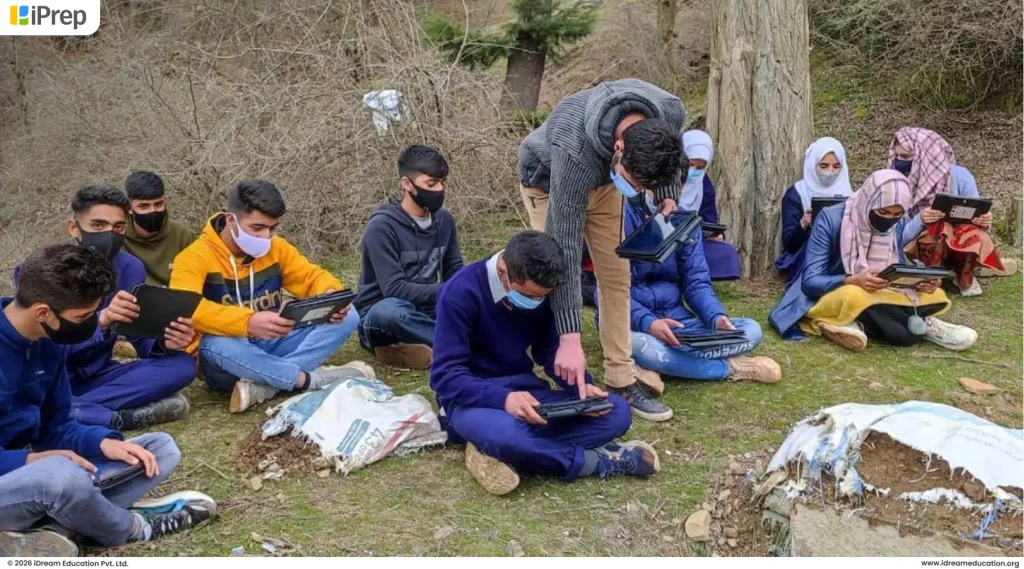
When schools later reopened partially, several campuses were being used as quarantine centers. In many cases, teachers adapted by conducting classes outdoors using portable tablets and offline digital content. This enabled classroom activities to continue despite the absence of regular infrastructure.
Observed Outcomes Since 2022
Over the implementation period, schools reported visible improvements across attendance, enrollment, and academic engagement.
- Attendance increased from 71% to 91% between 2022 and 2025.
- Student enrollment grew from 3,864 to 5,266 students, reflecting a 36% increase.
- Academic performance improved across all 10 AGS schools, with overall results ranging between 73% and 88%. Some schools, including Mazbugh, reported up to 14% academic improvement, while schools such as Chandigam and Krusun showed consistent year-on-year progress.
Teachers increasingly integrated digital content into classroom instruction, while students became more familiar and comfortable with technology-supported learning methods.
Continuous On-Ground Support and Engagement
An important part of the initiative was the continuous on-ground support provided across AGS schools in Kashmir. Teams regularly visited schools, interacted closely with teachers and students, guided them on effective usage of digital learning solutions, resolved operational challenges, conducted assessments, tracked usage data, and supported schools with ongoing implementation activities.
Over time, these regular interactions helped build strong working relationships with school leaders, teachers, and students. Feedback from classrooms was continuously incorporated to improve implementation and ensure that the solutions remained practical and relevant to the everyday needs of schools.
This consistent engagement helped create an environment where digital learning was not seen as an external intervention, but as a collaborative part of the school ecosystem. Teachers remained actively involved, students stayed engaged with learning, and schools received regular support whenever required. The initiative evolved continuously based on classroom realities, ensuring that implementation remained active, responsive, and aligned with learning needs on the ground.
What the AGS Kashmir Initiative Demonstrates About Digital Learning in Challenging Environments
This initiative of Digital Education in Kashmir supported continuity in learning during periods of disruption. It highlighted the value of thoughtfully implemented digital learning solutions in schools. The initiative showed how collaboration can create meaningful educational impact. Institutions, governments, organizations, and communities worked together to improve education. The solutions were designed around local realities and classroom needs.
The combination of offline access, portable devices, curriculum-aligned content, regular teacher support, and continuous on-ground engagement enabled students to continue learning across classrooms, homes, and even temporary outdoor learning spaces.
The initiative showed that digital education in Kashmir needed more than devices. It required a strong and supportive learning ecosystem. Teachers need continuous support and guidance. Students must stay actively engaged in learning. Implementation should evolve through regular feedback. Learning needs on the ground must guide improvements. For remote and underserved regions especially, flexible and practical digital learning models can play an important role in strengthening access, continuity, and quality of education.
We will continue working towards making digital learning practical, accessible, and meaningful for every student. We would be glad to connect with institutions, governments, organizations, and individuals who share a similar vision of strengthening education access, continuity, and learning outcomes for children across India. You may contact us at +91 7678265039 or write to us at [email protected]
Frequently Asked Questions -
1. Are there any digital education initiatives in Kashmir?
Yes. Several schools and institutions in Kashmir have adopted digital education initiatives to support continuity in learning, especially in remote and disruption-prone regions. The AGS Kashmir by Indian Army in collaboration with iDream Education initiative is one such example focused on offline and accessible digital learning.
2. What challenges affect school education in Kashmir?
Education in Kashmir is often impacted by harsh winters, remote geographies, internet shutdowns, weather-related disruptions, and interrupted academic calendars, making regular learning difficult for many students.
3. How are Army Goodwill Schools (AGS) using digital learning in Kashmir?
AGS schools in Kashmir have access to smart classrooms, tablet-based digital libraries, offline curriculum aligned digital content to help students continue learning across classrooms and homes.
4. How did students continue learning during school closures in Kashmir?
One of the examples of this is learning through mobile-based access to digital resources through the iPrep Learning App.
5. Why is offline digital education important in Kashmir schools?
Offline digital learning helps schools function effectively even during internet disruptions or connectivity challenges, ensuring students can continue accessing educational content anytime.
6. What impact did the digital education initiative create in Kashmir schools?
The initiative contributed to improved attendance, increased enrollment, better continuity in learning, and academic progress across multiple AGS schools in Kashmir.
7. What can governments and organizations learn from this Kashmir education initiative?
The initiative demonstrates that practical, teacher-friendly, and offline-capable digital learning models can help improve access and continuity in education, especially in remote and underserved regions.
Categories You may Explore
Related Articles