We've received your request! Our team will be in touch within 24 hours to confirm your demo and discuss your
needs. We look forward to connecting with you!
Nano Learning involves breaking down complex concepts into small, easily digestible bites of information. It focuses on delivering concise and focused content that can be quickly absorbed by learners.
Nano Learning: Best Suited for K-12 Students
This approach is particularly well-suited for K-12 students due to their shorter attention spans, curiosity-driven learning styles, and the need to comprehend foundational knowledge step by step. Nano learning modules cater to their cognitive development, enabling them to grasp essential concepts without feeling overwhelmed. The brief and targeted nature of nano learning aligns with the pace of young learners, fostering better understanding and retention of concepts.
Significance of Nano Learning
Enhanced Attention Retention: Nano learning offers bite-sized, focused content that aligns with shorter attention spans. Teachers/Students can break down complex topics like phonics, basic math, and shapes into smaller, engaging modules. This approach prevents information overload and increases the likelihood of students retaining key concepts.
Intrinsic Motivation through Rapid Progress: The quick completion of nano learning modules gives students a tangible sense of achievement. As they swiftly grasp fundamental principles, students experience a surge in intrinsic motivation. This feeling of progress fuels their desire to learn more and sustain their engagement.
Customized Learning Paths: Every student learns differently and at their own pace. Nano learning allows them to adapt to content as per their individual learning needs and interests. Students can revisit concepts they find challenging or delve into topics that interest their curiosity, fostering a more personalized and effective learning journey.
EdTech innovation in the domain of nano learning are enhancing the landscape of learning styles. Bite-size content, an emerging trend, has garnered a significant spotlight for its transformative potential. In this context, we present the Nano content of iPrep and usage metrics of animated lessons on iPrep Pan India, targeting K-12 students.
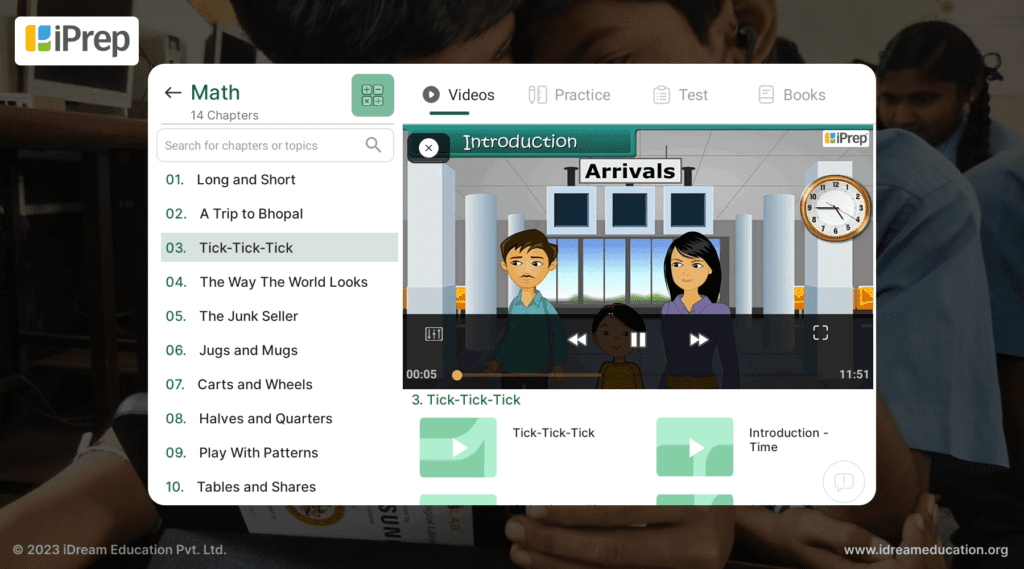
Class 4th, Subjects Maths, Chapter 3 has been segmented into 8 concise videos, each lasting 10-12 minutes or less. This approach takes into account the limited attention span of students. The animated video lessons for every K-12 subject on iPrep share a consistent design.
Usage Metrics of Animated Lessons on iPrep
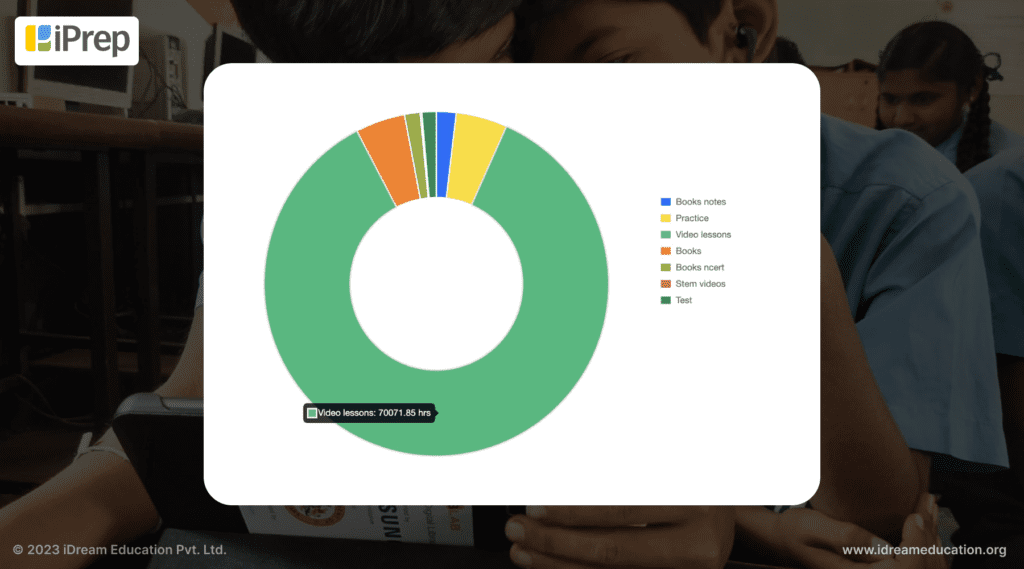
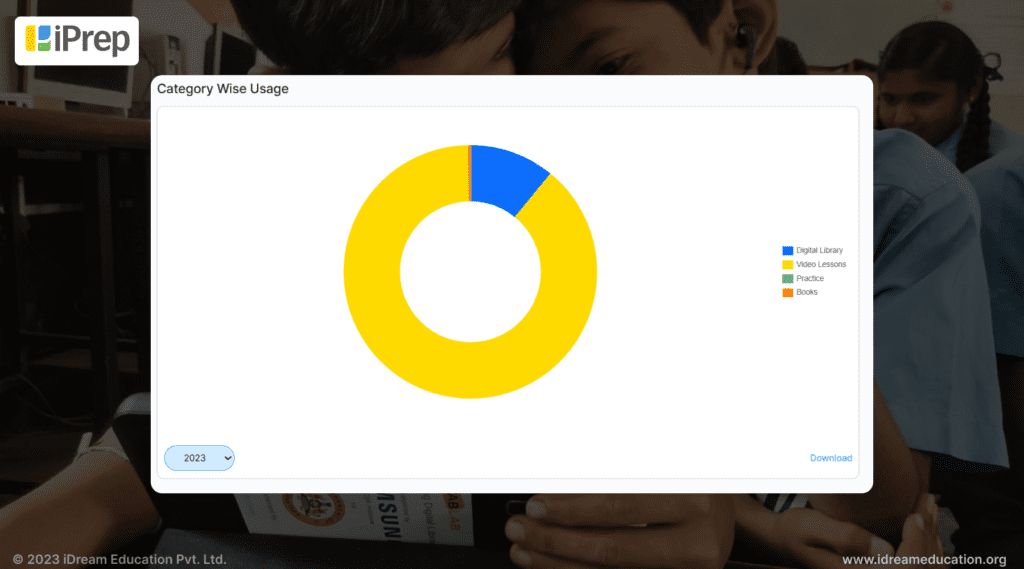
The comprehensive iPrep usage reports have determined that users accessed video lessons most frequently, accumulating a total of 72,000 hours of usage within 2 years.
Similarly, school-wise usage of iPrep devices also shows similar data, such as in GHS GIRLS STATION ROAD Schools in Raichur, Karnataka, video lessons stand out as the most extensively utilized category. The girls say that these bite-size animated lessons assist them in swiftly revising the lessons covered during their classroom instruction.
Nano Learning is the Way Forward
In the dynamic landscape of education, the concept of Nano Learning emerges as a promising path forward for K-12 students, seamlessly interlaced with the ever-evolving Educational Technology (EdTech). Nano Learning’s micro-sized, focused bursts of information empower students with concise yet impactful knowledge chunks, catering to their shorter attention spans and adapting to the digital age’s rapid pace. As EdTech continues to reshape traditional learning paradigms, its integration with Nano Learning paves the way for personalized, engaging, and efficient education. As we navigate the future, the synergy between Nano Learning and EdTech holds the promise of nurturing inquisitive minds, fostering critical thinking, and equipping K-12 students with the adaptable skills they need to thrive in an increasingly complex world.
As the National Education Policy (NEP 2020) enters its fourth year, its success promises to pave the way for a developed India. Envisioned to transform the education landscape, NEP 2020 has been focused on fostering flexible and lifelong learning, empowering students to shape their academic journey according to their interests and aspirations.
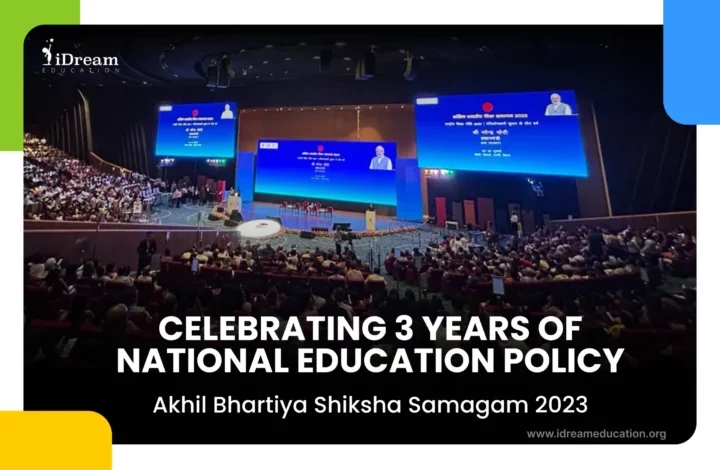
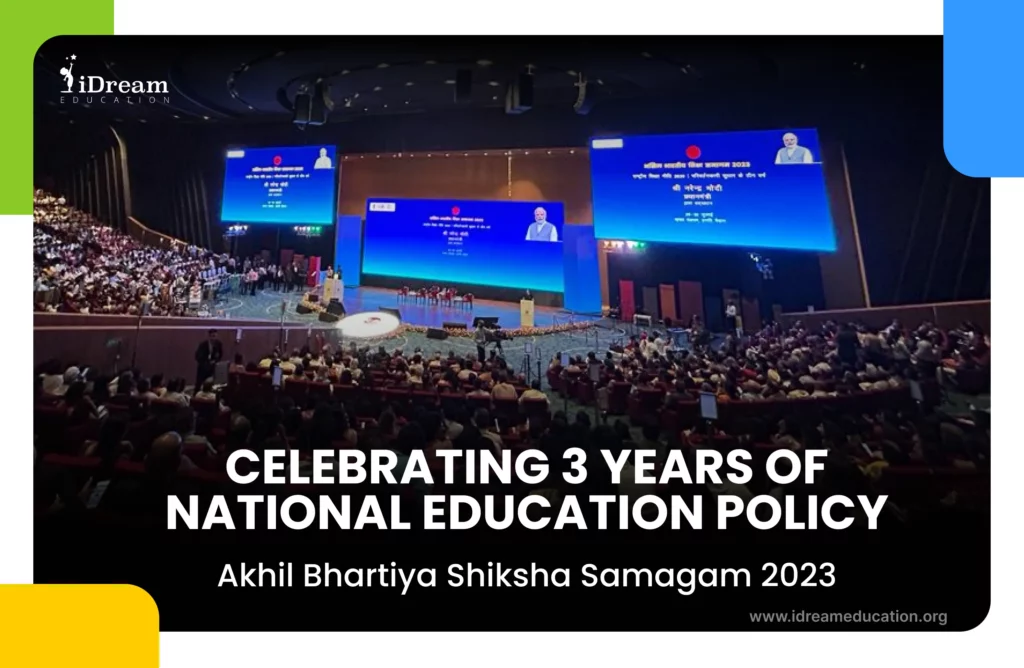
On Saturday, July 29, Honorable Prime Minister Shri Narendra Modi Ji marked the third anniversary of NEP 2020 by inaugurating the prestigious Akhil Bhartiya Shiksha Samagam 2023. PM Modi Ji reiterated the policy’s commitment to embracing both modern and ancient ways of education.
Heart of NEP 2020 Lies in:
At the heart of NEP 2020 lies the ambition to establish India as a global hub for research and innovation. The policy recognizes the value of traditional knowledge systems and complements them with cutting-edge futuristic technology. This balanced approach ensures that India embraces its rich heritage and advances toward becoming a center of excellence for groundbreaking discoveries and inventions.
Step Towards Inclusivity in NEP 2020
As a testament to the policy’s inclusivity, Prime Minister Modi Ji released education and skill curriculum books translated into 12 languages. This aims to provide equitable access to quality education for all, regardless of linguistic background, promoting diversity and inclusiveness in the learning process.
Over the course of the past three years, NEP has sparked an impressive surge in innovation in digital learning, making education accessible to millions across the nation. The Akhil Bhartiya Shiksha Samagam showcased many inspiring initiatives that have harnessed technology-driven innovations to enhance the educational landscape.
Prime Minister Shri Narendra Modi Ji expressed his appreciation for the vast potential of innovation in education and commended the remarkable progress made. This acknowledgment underscores the commitment of the government and educational stakeholders to continuously push the boundaries of learning, inspiring the nation to excel in various fields and contribute significantly to the world.
As NEP 2020 embarks on its fourth year, it serves as a beacon of hope, illuminating the path to a developed and intellectually empowered India. The policy continues to shape the country’s educational landscape for a brighter future by fostering flexible learning, promoting research and innovation, and encouraging inclusivity.
As the world looks on in awe, India is emerging as a nursery of new possibilities, guided by the vision of NEP 2020.
iDream Education finds inspiration in the dedication and passion of fellow professionals within the education fraternity. The collective drive shared among like-minded individuals, who work to empower learners with diverse learning content in local languages, has only deepened our commitment. We remain resolute in our vision to significantly contribute towards Facilitating Universal Access to Learning and Growth and reach last mile learners nationwide. Together, we strive to create a brighter and more inclusive future for education.
Making concerted efforts to enhance the quality of school education in India, the Government, NGOs, System Integrators, Edtech companies, and various other stakeholders in the education ecosystem are working together to advance digital education in schools, especially post the NEP 2020.
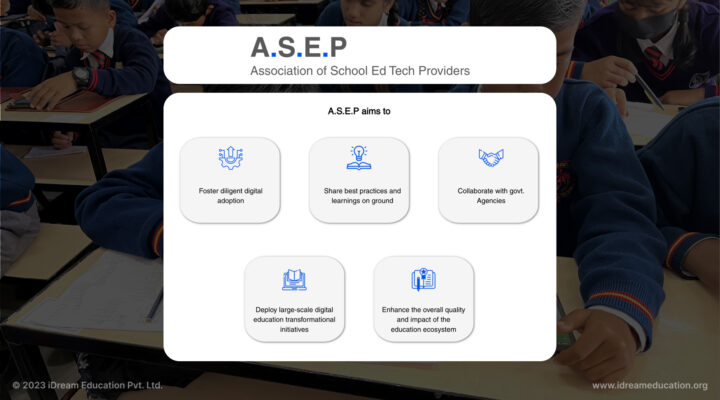
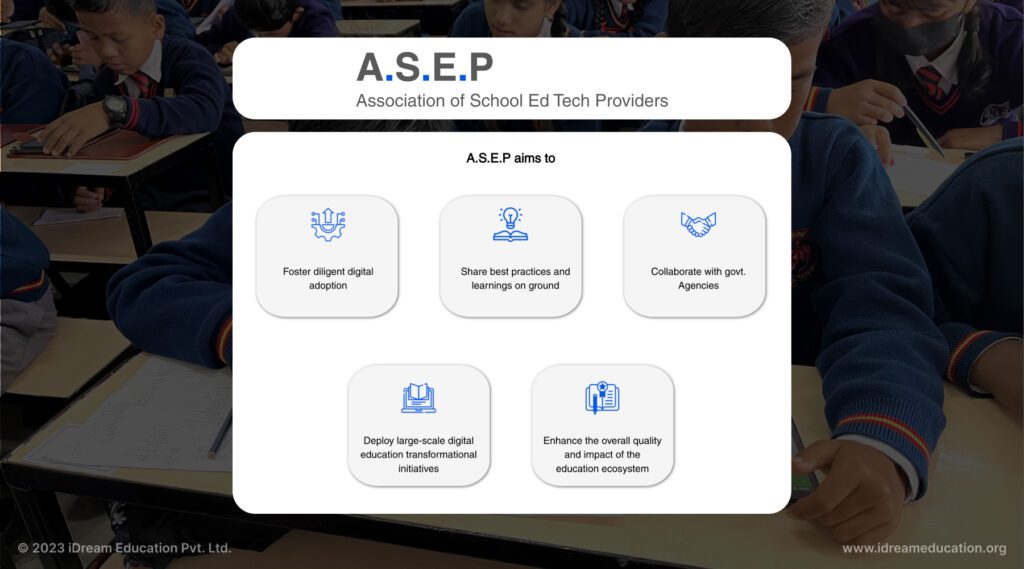
Recognizing the immense potential of technology in reshaping the digital education landscape in schools, Ed-Tech providers have united to form the Association of School Ed-tech Providers (ASEP) in July 2023. This indeed is a much-needed strategic step forward to strengthen the adoption and integration of digital education into our school education system in India.
ASEP Vision
The stated vision of ASEP is to help all K-12 service providers work together towards enabling trans-disciplinary and holistic betterment of each K-12 student’s learning environment.
ASEP currently consists of some of the founding school EdTech providers who have seeded this initiative, and more partners can apply and join the Association through a process that has been defined on the website of ASEP.
The association intends to onboard responsible and growth-oriented school EdTech providers who can have a collective voice and work to strengthen the EdTech adoption and aspired learning outcomes in schools.
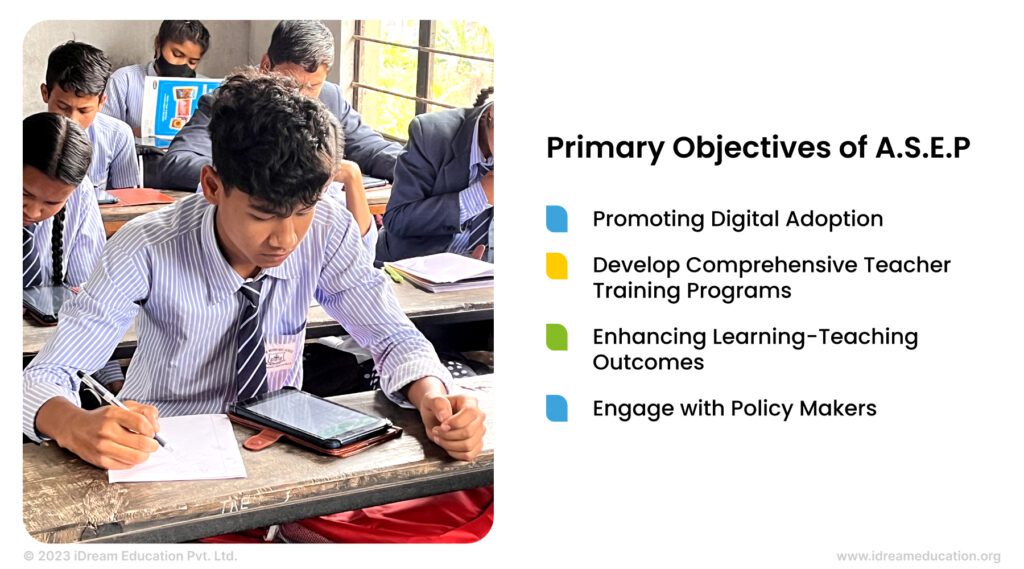
Primary Objectives of ASEP
Promoting Digital Adoption to enhance the teaching and learning experience and make digital means accessible, engaging, and interactive for both students and teachers.
Develop Comprehensive Teacher Training Programs to enable teachers to integrate technology into their classrooms and adapt to contemporary teaching approaches.
Enhancing Learning-Teaching Outcomes by collaborating with member organizations and schools to develop and deploy tools and methodologies to optimize student engagement, facilitate personalized learning, and strengthen academic achievement.
Engage with Policy Makers to ensure the smooth integration of technology in education and create an enabling environment for all stakeholders.
ASEP: Addressing the Need of the Hour in Education
In light of the current educational landscape, the Government of India has been actively taking measures to address the challenges in the education sector. One significant step in this direction is the implementation of the Samagra Shiksha, a comprehensive scheme for School Education functioning as a Centrally Sponsored Scheme. However, there was also a need for collaboration among various educational providers who share a common vision.
By coming together under the umbrella of ASEP (Association for Educational Providers), these stakeholders will discuss and find effective solutions to the challenges in education. Through collaborative efforts, ASEP endeavors to bring about positive changes and ensure a brighter future for education in India.
ASEP: A Great Step To Empower Digital Education Adoption in Schools
ASEP’s emphasis on bridging the gap between traditional teaching methods and the digital age demands. Marking a significant step forward in empowering the adoption of digital education in schools, ASEP invites ed-tech providers, educational institutions, policymakers, and other stakeholders to collaborate in this journey. Together, we can embrace the potential of technology-enabled education and make Indian schools future-ready.
We at iDream Education shall look forward to being considered for participating in ASEP and collectively driving the shared vision of ensuring the best of digital education adoption and outcomes at schools in Pan India, including the last mile government schools.
If in case you would like to know more about our digital learning solutions, visit our website, www.idreameducation.org or write to us at share@idreameducation.org
Paving the path towards progress: A walk through the journey of initiation of digital education in East Jaintia Hills, Meghalaya
Integrating digital learning solutions in remote areas of a country like India always brings unique challenges, depending on which part of the country we are working in.
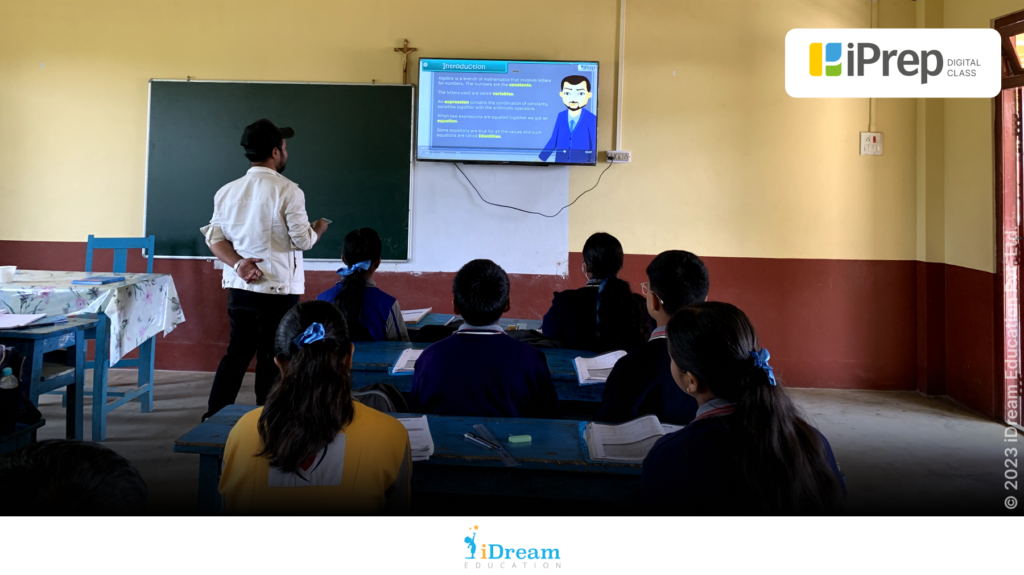
Last year, i.e. in 2022, we got an opportunity to work on implementing iPrep Digital Class (a smart class solution) in a remote district of Meghalaya, East Jaintia Hills, known for its coal mining industry. Everyone in the district either owns a coal mine or works in one. That’s the only way the previous generation knows how to make a livelihood. Unfortunately, the same sentiment has been passed onto a majority of the next generation as well, even though coal mining has now been banned in the district.
What has happened as a result is that even though this new generation goes to school, there is nothing that inspires them to learn. Their parents have no awareness of the endgame of education; they don’t know what future awaits if their kid learns well. Unfortunately, the teachers aren’t inspired enough to bring in the transformation.
If the trend continues, the district will be left with a generation that isn’t well educated nor has the 21st-century skills required for growth. This would eventually start leading to the emergence of several social issues. Not a good trend for the district, the state, and of course, for the country. This has to change.
The question is how.
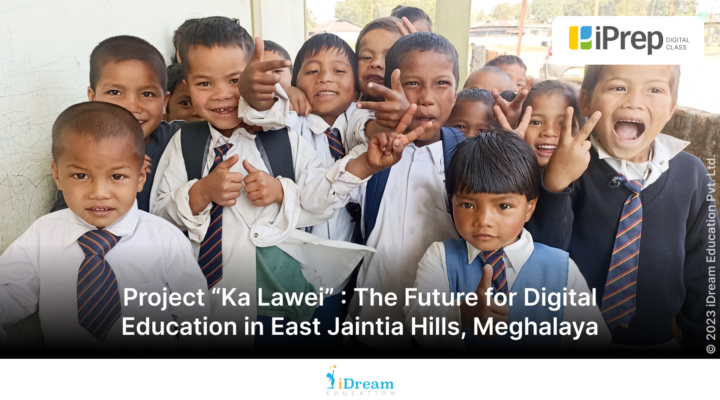
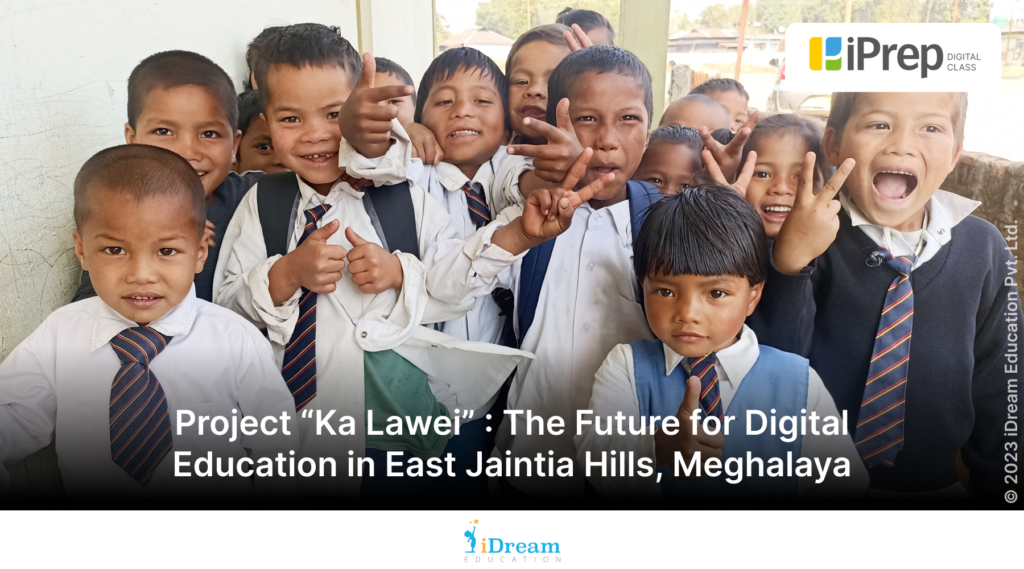
Here come two enterprising gentlemen. First is the Deputy Commissioner of East Jaintia Hills, Meghalaya, Shri Abhilash Baranwal, and the second is Shri. Jonathan Shylla, Addl. Deputy Commissioner. Together they dream and put together an ambitious project called “Ka Lawei.”
“Ka Lawei” means “The Future.” for digital education in East Jaintia Hills, Meghalaya.
However, before we come to what we at iDream Education have started doing in the district, let’s spend more time understanding the unique challenges we mentioned in the beginning.
The Challenges
Lack of English Proficiency: The first challenge which became very evident during our initial visit to EJH was the language. English is supposed to be the only medium of instruction, which means that the textbooks are in English, teachers are supposed to teach in English, and students are expected to write exams in English. Except that no one is proficient in English. They speak a dialect of the local language, Khasi, known as Pnar, and all their teaching and learning happens in this language.
Lack of inspiration and innovation in teaching: The second challenge is strict adherence to the textbooks, resulting in a lack of inspiration and innovation in pedagogy. Students are taught exactly what is in the books and tested on the same exam questions. We have not verified this completely, but this is based on a first-hand account of several teachers and students we spoke to during our school visit. Consequently, students can only write what they remember from textbooks, lacking the motivation to study extensively. As a result, the passing rate for students in EJH is around 30-35% across different grades. There is little emphasis on applying knowledge or solving real-world problems beyond the curriculum, leading to learning gaps as students progress. Many students drop out after completing class 8, while only a few who reach class 10 join schools in the capital city of Meghalaya. This leaves limited support for teachers working with students in classes 11th & 12th.
Challenges in Teacher Training and Support: The teacher fraternity mostly consists of the locals or nuns in the few Christian schools. However, there is no focus on teacher training, upskilling, or incentives, because of which the quality of teaching greatly suffers. Those who want to make a difference are also unable to do much because there is neither support in the ecosystem nor do they have the right tools at their disposal.
Can Digital Education in East Jaintia Hills Meghalaya, therefore, be the answer?
This was when Abhilash Ji and Jonathan Ji were driven by the idea of enhancing education by integrating digital technology to empower their teachers. Given their need for an easy-to-setup and cost-effective solution, they zeroed in on Smart Class as the most suitable option. As a result, phase 1 of their plan involved the implementation of iPrep Digital Class equipped with English Medium Content for students in grades 8 to 10. The curriculum focused on subjects such as Mathematics, Science, History, Civics, Geography, and Economics while also incorporating two additional subjects, Computers, and English Grammar, in alignment with the Meghalaya State Board.
Use of Smart Class Contentfor Digital Education in East Jaintia Hills Meghalaya
Amidst a wave of excitement and gratitude, students and teachers have started to wholeheartedly embrace digital education in East Jaintia Hills, Meghalaya.
Joy and Learning: Students engaged in Animated Lessons on the Smart Class
After using animated lessons and practice in classrooms for 2 months, we discovered that it wasn’t proving to be very helpful for the students. While students enjoyed watching animated videos and engaging in interactive activities like quizzes, their learning progress was minimal. We could sense that this is primarily happening because of a significant learning gap in these students.
Even though we could not see quantifiable early success, the district office nonetheless decided to expand the initiative to 166 classrooms in the district. But this time, several new and innovative steps were introduced aside from just the Smart Class setup.
Beginning with carrying out the baseline assessment of all students.
Baseline Assessment for Assessing the Learning Level of Students
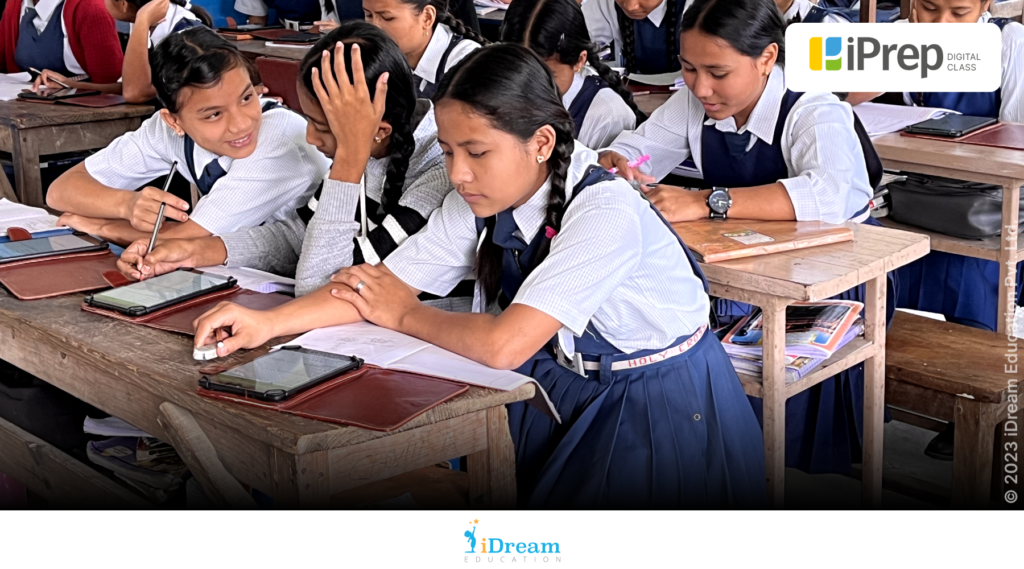
One Assessment at a Time: Students Taking Baseline Assessments on Tablets
To assess the learning level of the students, it was mutually decided to conduct a Baseline Assessment. But manual analysis of the learning level of 5000 students would have been difficult, requiring a lot of time and energy. Therefore, the process was digitized and simplified using a tablet preloaded with offline assessment forms. These forms consisted of subject-specific questions for various grade levels. For e.g., In class 10th, questions of interconnected topics till class 6th were included. As students would answer the questions, we would be able to know at what grade level these students belong exactly.
Newer Challenge: Efficient Transport and Charging Solution for Over the Tablets
East Jaintia Hills has difficult terrain, up and down the mountain, plus the roads are not in very good condition. And when it rains, it is extremely hard to travel. Since, as a part of the new implementation, it was decided that an assessment would be conducted for all students every month, it was imperative that the tablets be used. That brings us to a question as to how a single team member can comfortably carry the tablets to the school and charge them after usage.
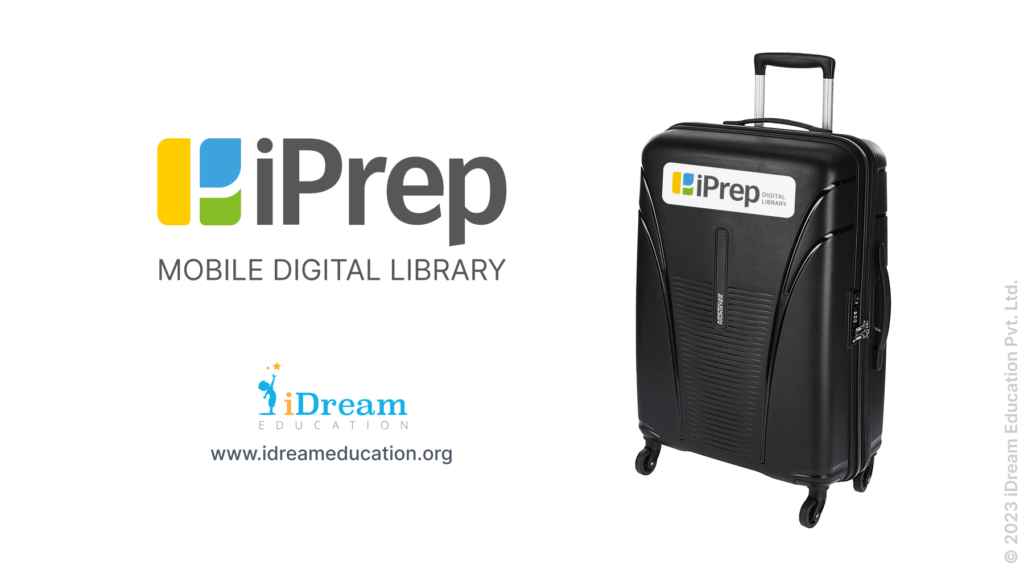
Mobile Digital Library designed for Baseline Assessments
A very fine innovation fixed this. A suitcase is designed with slots to fit the tablets. With the wheels at the bottom, one can easily move just like you move a trolley in an airport. The suitcase was compact enough that it could easily fit inside a hatchback car. That solved the problem of transportation. For charging, we picked up our Charging Rack and placed one unit at the homes of all team members.
Now, they could charge tablets at night using the rack and then carry them to schools in suitcases. Simple but effective.
Let’s now go back and see how the students did in their baseline assessment.
Analysis of Baseline Assessment Forms
The results from the baseline assessment brought light to the significant learning gap among students. As per data, more than 90% of students are performing at levels that are at least 3-4 grades below their current grade level. This made very clear why we were not getting the desired results in phase 1 of the implementation.
A solution had to be found to enable students and teachers to bridge this gap. Else any sort of digital implementation won’t give the desired outcomes, at least in terms of the learning outcomes. It may engage students better, and they will have fun, but learning improvements will be difficult to achieve.
It was decided that a bridge course be designed to tell the teachers what topics to teach from junior grades before beginning to teach the topic at the current grade. As students go through these videos from junior grades, it will help them cover the foundations, which will lead to a better understanding of the topic they need to study in their current grade.
But remember, schools only have a smart TV in their classrooms. Even if implemented, a bridge course will be conducted in a one-to-many format. How will we still know if there is an improvement at each student’s level? But then, we also have the tablets. And so, while students would learn in school in a classroom set up with digital content, each one of them will go through an assessment every month of the topics they are learning. The tablet will record data individually for every student, reports will be shared with the teachers every month, and teachers will be empowered and encouraged to further work with the students inside and outside the classroom.
Bridge Course to Bridge the Learning Gap in Students of EJH, Meghalaya
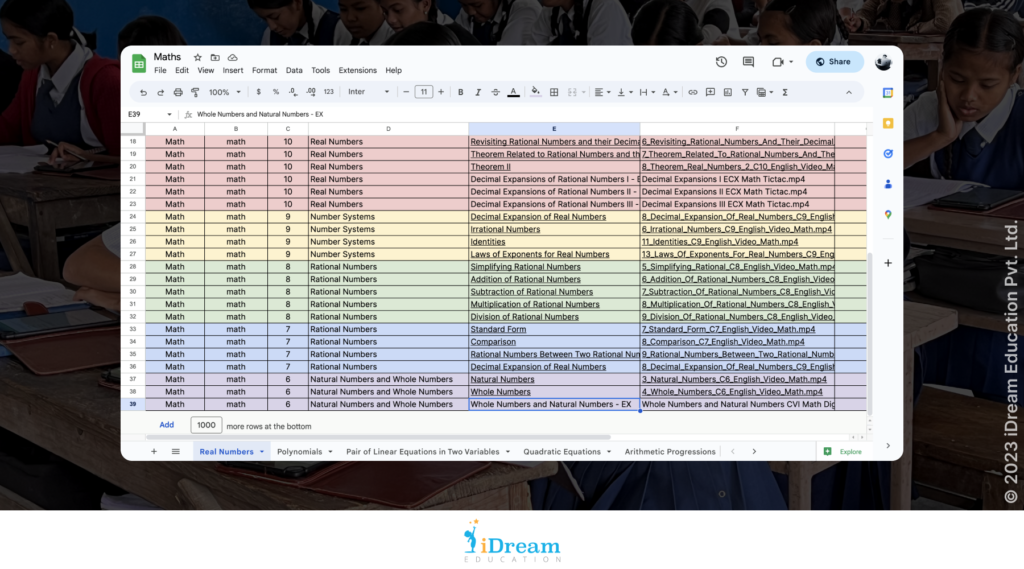
A Comprehensive Bridge Course Document
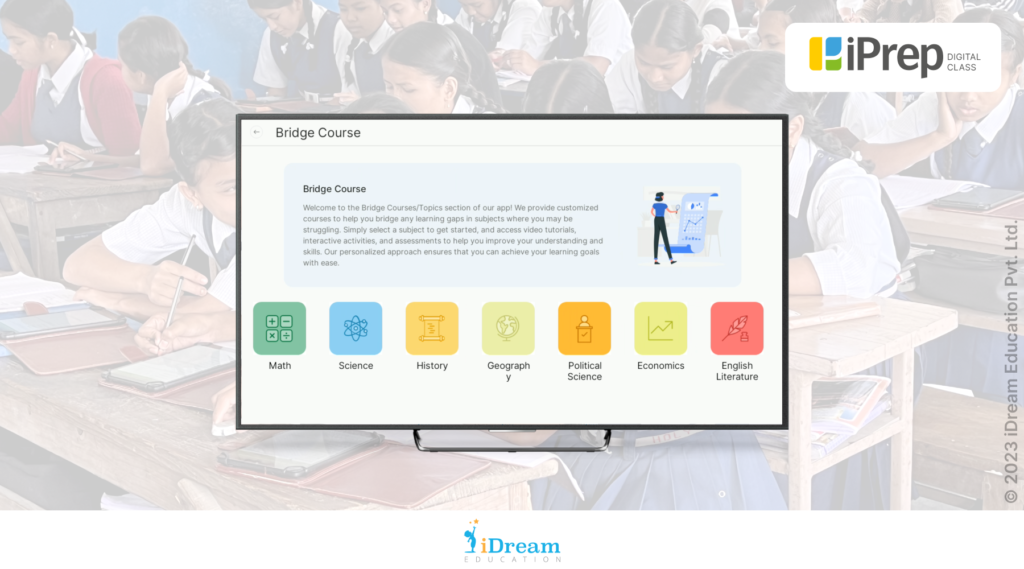
A Comprehensive Bridge Course has been prepared for each school by studying their academic plans and baseline assessment results. The course consists of interconnected videos covering the 8th, 9th, and 10th grades and extending to the 6th grade. In addition to the video recommendations, the bridge course has a specific practice section focusing on Maths, Science, and Social Science. This combination of video content and targeted practice exercises are given to ensure a well-rounded learning experience for students. With iPrep on Smart TV, teachers can easily switch between classes and implement bridge courses by accessing any grade’s content. All they have to do is follow the sequence of video lessons as mentioned in the bridge course document.
However, what you may think in theory may not be exactly how it would pan out in the real world. Yes, iPrep offers a very easy way to switch classes, but teachers still have to do it and then search for the videos as per the bridge course plan provided to them. In a class of 30-45 mins, there is always pressure to complete the syllabus, and now we expect the teacher to do this extra work. Not fair, right? Our data also showed that while teachers were playing the grade-level videos, in most schools, the bridge course content was not being shown.
So, what’s the next step then?
Integration of Bridge Course into iPrep App
To allow teachers to effortlessly access and use the course material within 30 minutes of class time, the bridge course has now been directly implemented in the iPrep platform. Teachers do not have to search for or change grades now. They can go to the Bridge Course tab, select the topic, and the bridge course content will start playing on its own. Once again, simple and effective. Or at least we hope so.
Bridging the Learning Gap: iPrep App to Empower Teachers with Customized Bridge Course
The iPrep platform has been updated in all schools, and usage will begin within the next 30 days.
Updated on September 2024 | Through continuous monthly assessments, targeted teacher training, progress tracking, and a specially designed bridge course, we’ve been able to improve the Class X board exam pass rate from 25-28% to an impressive 60%.
Updated in July 2025: Last year, with consistent effort and foundational groundwork, that number in the academic year 2023-24 rose to 60%. And this year, we are happy to share that this figure has further jumped to an impressive 92.63%.
This dramatic improvement is not just a statistic, it represents thousands of students stepping confidently into a brighter future.
A key contributor to this transformation has been the increased and meaningful use of digital learning infrastructure. Smart Class usage in schools saw a phenomenal leap — from just 4,500 hours in the year 2023-24 increased to over 53,000 hours in the 2024-25 academic session. Teachers have increasingly embraced technology, students have found new ways to engage with their curriculum, and learning has become more consistent in teaching through iPrep on smart classes.
We see this not as the end, but a milestone — the project is ongoing, and our ground team is continuously tracking monthly progress, collecting feedback from teachers whenever they face access issues or need support, updating content, and more. With this sustained effort, we hope to see even more consistent and meaningful progress in the times ahead.
In the world of technology in education, a shift began with the introduction of interactive whiteboards for education. Back then, technology was primarily confined to IT sectors and laboratories, but with the advent of Interactive whiteboards for education, a new era of advanced learning was initiated. Suddenly, teachers started to engage with their students on a whole new level, fostering dynamic interactions and facilitating a deeper understanding of the subjects and topics. This approach also opened doors to a wealth of digital resources that perfectly complemented the curriculum, enriching the educational experience for all.
What are interactive flat panels?
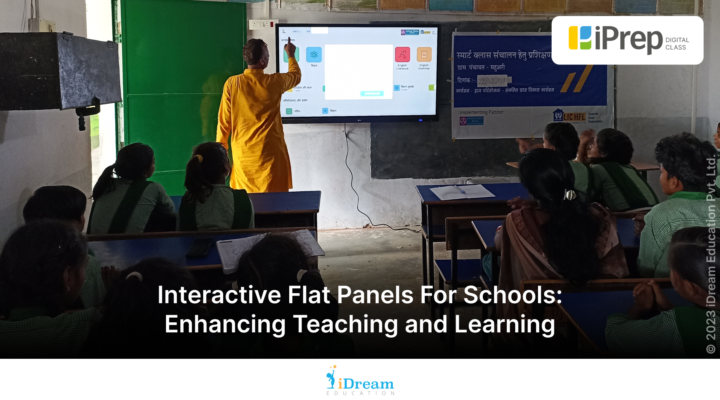
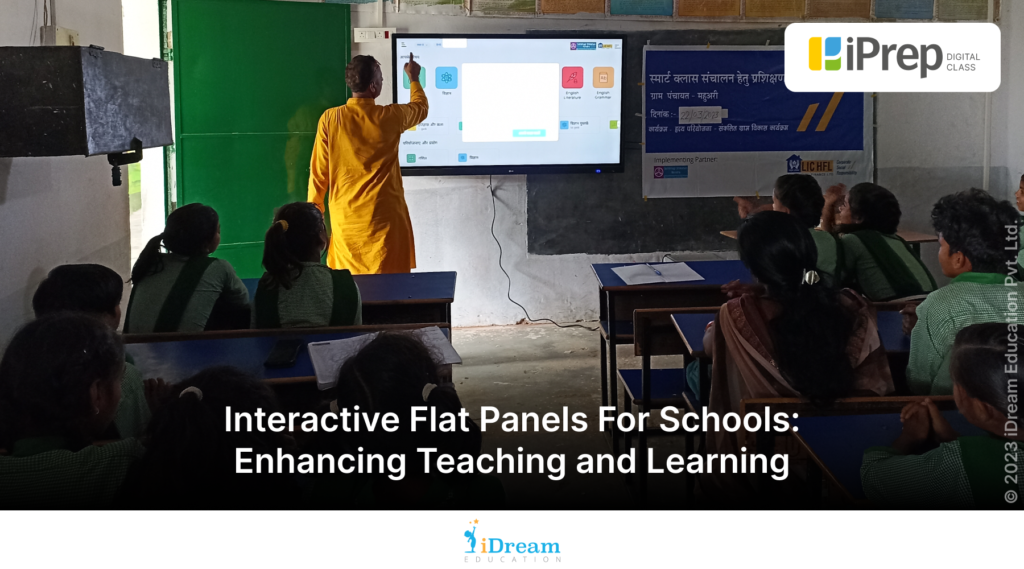
An interactive flat panel commonly known as IFP is a technological marvel that combines the power of a high-definition display with touch-sensitive capabilities, enhancing the way we interact with digital content. It serves as a hub for collaboration, information sharing, and immersive learning experiences. In the domain of education, an interactive flat panel becomes an invaluable Interactive learning tool for teachers and students alike.
Also known as Interactive Digital Board, their intuitive interface and interactive features facilitate hands-on learning, enabling direct interaction of students with animated lessons, and real-time collaboration through practice questions. The interactive flat panel (IFP) fosters an environment where students actively participate, explore, and absorb knowledge. Overall, with the aid of an interactive flat panel, teachers are paving the way for a more immersive and interactive educational journey in classrooms. Therefore, it is also known as one of the smartest devices for classrooms. It exemplifies the role of ICT in teaching and is an excellent ICT tool. Learn more about the differences between smart boards and interactive flat panels and a detailed account of the uses of both devices on our blog ‘How to use smart boards in a classroom?’.
With its ability to seamlessly integrate with educational software/learning platforms, an IFP or a Digital Board helps teachers conduct engaging classroom sessions that capture students’ attention. Its intuitive interface and interactive features facilitate hands-on learning, enabling direct interaction of students with animated lessons, and real-time collaboration through practice questions. The interactive flat panel (IFP) fosters an environment where students actively participate, explore, and absorb knowledge. Overall, with the aid of an interactive flat panel, teachers are paving the way for a more immersive and interactive educational journey in classrooms. Therefore, it is also known as one of the smart devices for classrooms.
Role of Interactive Flat Panels for Schools
Active Learning and Student-centered Approach in Classrooms
Smart Class with Interactive Flat Panels For Schools have the ability to shift students’ focus and encourage a sense of community. By serving as a central hub, interactive displays facilitate collaboration, sharing, and the exchange of ideas among students. Further, the smart class teaching approach fosters a unified environment within the classroom, where students can collectively engage in discussions, presentations, and knowledge sharing.
Instruction with Ease and Differentiated Learning
Through smart Class with IFP, teachers can effortlessly deliver lessons using intuitive touch-screen technology and the availability of multi-category content. Teachers don’t have to use a mouse or pointing device, or a remote to navigate, as digital displays in IFPs for classrooms are intuitive and have a pre-installed learning platform that works on touch. Further, the interactive nature smart class with IFP enables curiosity, resulting in active student participation and collaboration. One of the most seen examples of this is practice sessions in classrooms.
Complementing teaching and learning with easy access to comprehensive resources
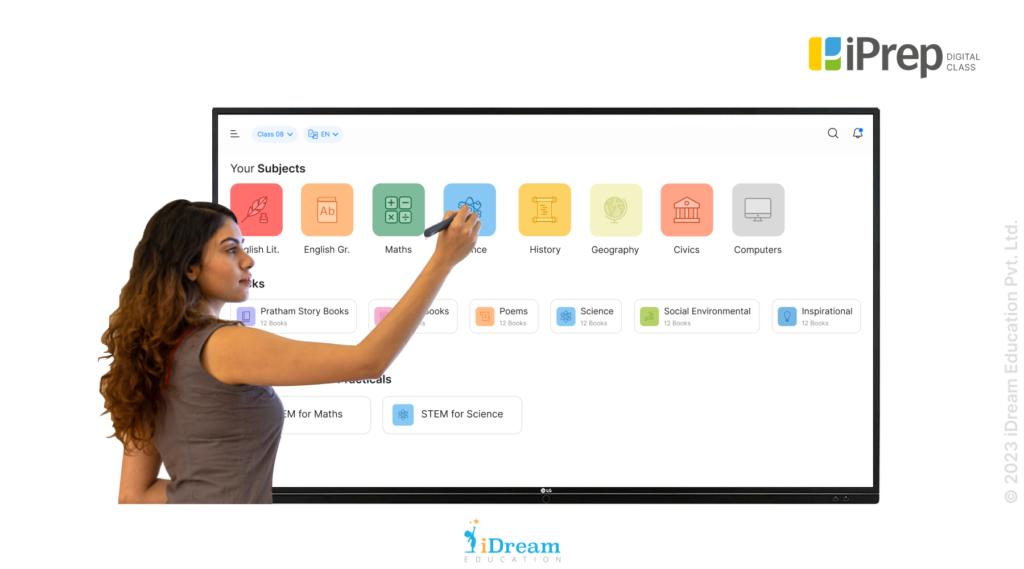
Smart Class with Interactive Flat Panels (IFPs) allow teachers to access and utilize a wide range of multi-category content, including animated video lessons, a book library, and interactive lessons with textbooks. Through IFPs, teachers can enrich their lessons with dynamic content from compatible learning platforms/app, complementing teaching and learning with easy access to comprehensive resources.
Use of Interactive Content to make Classrooms more engaging and interactive
Interactive Flat Panels (IFPs) in schools enable the use of interactive content, fostering real-time practice with immediate feedback. In schools, these panels facilitate collaborative learning experiences, allowing students to collaborate on projects, share ideas, and enhance their understanding.
Benefits of Interactive Flat Panels for Schools
Easy to setup, manage, and use
The implementation of Interactive Flat Panels (IFPs) in schools brings several benefits, particularly in terms of ease of setup, management, and use. These devices are designed to be user-friendly, making them easy to install and configure within the school environment. IFPs do not require extensive wiring or furniture arrangements. these can be conveniently mounted directly on walls with a few wires and screws. This further eliminates the need for specific infrastructure, making them accessible even in remote regions where resource limitations may exist.
User-Friendly Interface
One of the key benefits of using Interactive Flat Panels (IFP) in schools is their user-friendly interface. The intuitive design and familiar functions make it easy for both teachers and students to navigate and utilize in regular classroom sessions. Additionally, teachers are already accustomed to using TVs at home, enhancing their comfort level with IFPs. This familiarity translates into quicker adoption and integration of the technology in the classroom, resulting in a smoother teaching and learning experience.
What Makes an Interactive Flat Panel-Based Smart Class From iDream Education A Great Choice
Interactive Flat Panel-Based Smart Class by iDream Education is an easy-to-use, new-age Smart Classroom solution to empower 21st-century schools and teachers by combining the best digital content and resources, all in one place with iPrep, a comprehensive K 12 LMS for e learning for schools.
A Bilingual and Comprehensive Approach
Interactive Flat Panel-based Smart Class can be a great choice due to its comprehensive offerings. It provides an extensive range of rich digital content for classes 1st to 12th, encompassing all subjects. The multicategory is a combination of animated lessons, and practice modules offering instant feedback, practical demonstrations, syllabus books, detailed notes, and assessments. All this is in English, Hindi, and local languages. Overall, this combination of interactive and inclusive features of iPrep by Dream Education with interactive Flat Panel-based Smart Class is ideal for enhancing the teaching-learning experience and improving classroom interactions.
Improving classroom Efficiency and Ease
When teaching through smart class solutions, having all the necessary resources in one place is crucial as it saves time, eliminates the need for switching apps and connecting the device internet, and prevents distractions in the classroom. An interactive flat panel-based iPrep Digital Class is a unique solution for schools due to its integrated bilingual and user-friendly Learning Platform, allowing teachers to effortlessly switch between classes and access both online and offline content for NCERT & State Boards.
Efficient Tracking of Teaching Content
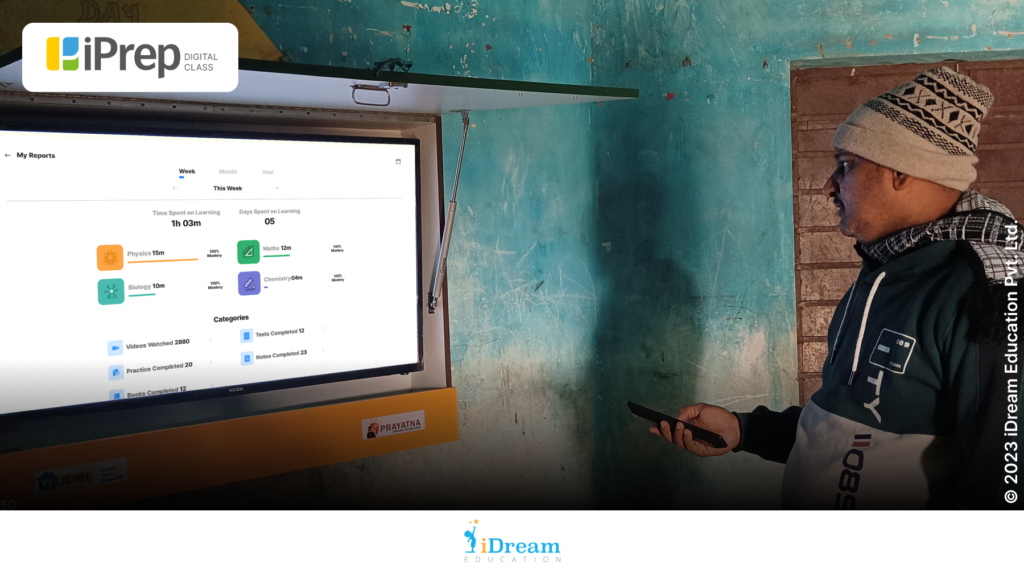
For teachers, keeping track of teaching content can be a daunting task when done manually, therefore iDream Education has designed iPrep Digital Class which allows teachers to keep track of chapter/topics covered in one place. It is then saved offline and automatically synchronized to a cloud-based reporting dashboard.
Altogether, through iPrep Digital Class, iDream Education is changing the way teaching and learning take place in classrooms.
It is indeed an exciting time to be in education as these innovative tools continue to enhance teaching and learning experiences, opening up endless possibilities for knowledge acquisition and academic growth.
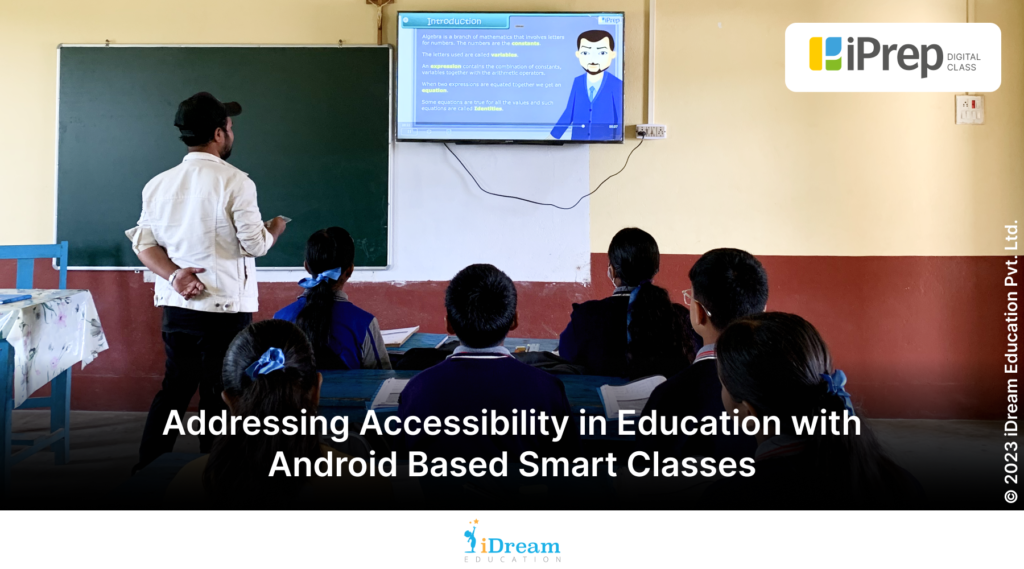
In today’s rapidly evolving world, the concept of easy-to-access solutions in education has gained significant importance. With the advancements in technology, particularly the increasing use of smartphones and the availability of high-speed internet, schools are increasingly embracing innovative ways to enhance accessibility in education. One emerging solution is Android-based smart classes, offering a seamless combination of technology and education.
Even in remote villages with limited resources and no internet connectivity, the notion of smart classes might initially seem implausible. In fact, one of the latest developments in this field is android based smart classrooms and android based learning tablets without the Internet! Android-based smart classes have gained widespread acceptance from various stakeholders, including governments, corporates, NGOs, and hardware partners. Their accessibility in remote areas and the easy navigation they offer to teachers and students have solidified their position as a useful digital learning solution in education.
Let’s explore the accessibility of Android Based Smart Class in Remote Areas and for Teachers and Students.
Android Based Smart Class Aligns with the Natural Psychology of Teachers
Android-based smart class systems eliminate technological resistance among teachers by presenting a familiar interface that aligns with their natural psychology of using technology at home. With its user-friendly interface resembling smartphones and TVs commonly found in households, teachers find it easier to adapt and integrate technology seamlessly into their day-to-day teaching practices. This familiarity enhances teachers’ confidence in using smart classroom app, thereby maximizing the potential benefits of incorporating technology in the classroom.
Android Based Smart Class Enables Flexibility and Mobility
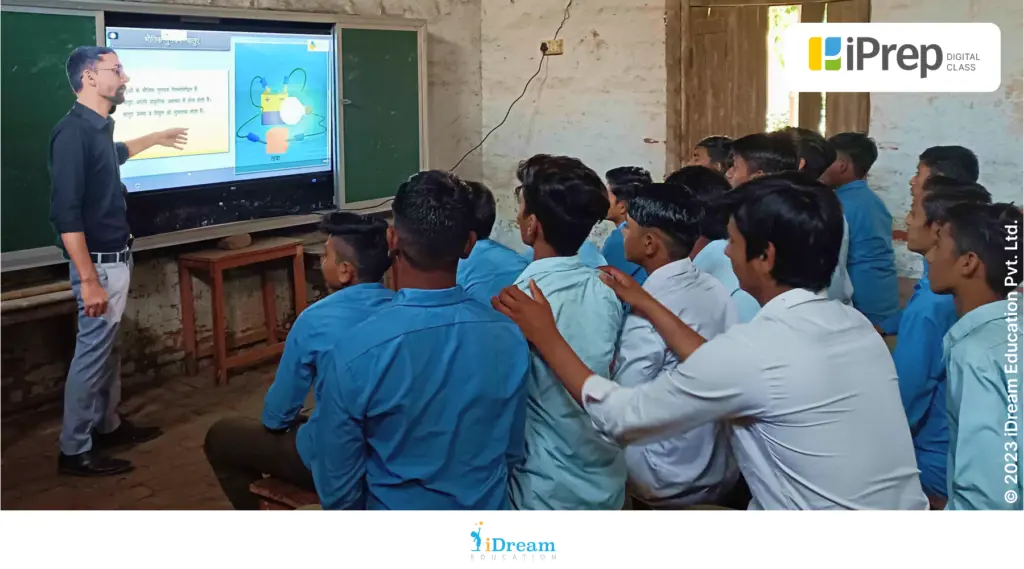
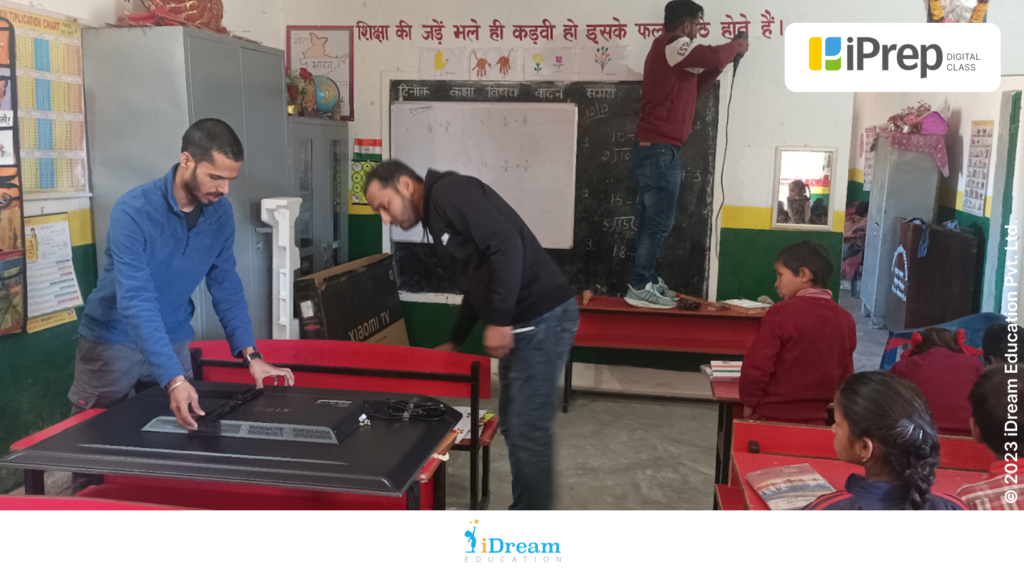
Geographical barriers often challenge integrating technology in government schools, impacting their reach and causing poor internet connectivity. However, implementing Android based TV provides a viable solution that can be easily set up at any location and used without the Internet. Merely requiring a few screws and a power plug to connect, these smart classes offer a straightforward installation process. One example of this can be seen in the schools of Uttarakhand, which are located on mountains and had no source to mount the smart TV on the wall. Undeterred, our team members ventured down the valley, procured the necessary screws, and successfully mounted the smart TV themselves, highlighting the Android-based smart class solution’s flexibility and mobility at any location.
Cost-Effectiveness of Android Based Smart Class
Cost is a crucial factor that necessitates attention. Numerous CSR projects, NGO initiatives, and Government tenders utilize Android based Smart Class model. Yet, they often require the addition of a PC or Windows box to facilitate the execution of Digital Content. Unfortunately, this supplementary hardware significantly raises expenses, complicates regular management, and ultimately undermines the advantages offered by the smart class. However, opting for smart TVs presents an affordable solution, particularly when equipped with preloaded teaching/learning content and limited to a single device. This approach ensures cost-effectiveness, allowing for more efficient implementation.
Converting Existing Setups into an Android-Based Smart Class
Using Smart Android boxes, it is easily possible to use a projector or a regular Smart TV into an Android Smart Class. Often, there are existing setups and technology based classrooms. These can be easily upgraded to run Android-Based Smart Classes. Apart from using regular smart TVs or projectors for its partners in a Smart Class, iDream Education has enabled android based smart classes in many schools as a part of various CSR/NGO initiatives and Government projects. The iPrep Digital Class works both online and offline, comes with multi-category content for all grades in multiple languages, and is available in NCERT and other state boards, with a Learning management system that syncs data to a reporting dashboard. With teacher and student training, both teaching and learning experiences are enhanced in over 16000 Schools across India already.
Accessibility of Learning Platforms/App
The accessibility of learning platforms/apps on android based TV plays a crucial role in seamlessly integrating smart classes into schools. Merely installing televisions in classrooms is insufficient as it amplifies teachers’ challenges in locating suitable teaching content and effectively delivering lessons, resulting in resistance. Conversely, Android-based smart classes facilitate effortless access to learning platforms/apps that consolidate teaching and learning content in a single location on the device. The key lies in introducing a user-friendly learning platform that offers diverse, engaging content for all grade levels and enables convenient monitoring of teaching materials.
Enhancing Teaching and Learning Experience
Teaching is traditionally a one-to-many approach, which sometimes poses concerns for teachers to personalize their instruction for each student while ensuring that the entire class remains on the same page. However, technology has introduced the possibility of having multicategory content on a single device, enabling teachers to use various teaching materials to gauge student engagement. Also, they can utilize bite-sized video lessons to provide concise summaries of the topics covered or conduct collaborative practice sessions that foster conceptual understanding and facilitate knowledge sharing among students. This integration of diverse content types enhances the overall teaching and learning experience, allowing for a more dynamic and interactive classroom environment.
Thus, Android Based Smart Class is bridging the gap between traditional teaching methods and technological advancements. These smart classes have brought a world of knowledge and resources to students and teachers by addressing the concern of accessibility. With this, schools in remote regions are breaking barriers to universal learning and nurturing a generation of learners to thrive in the digital age.
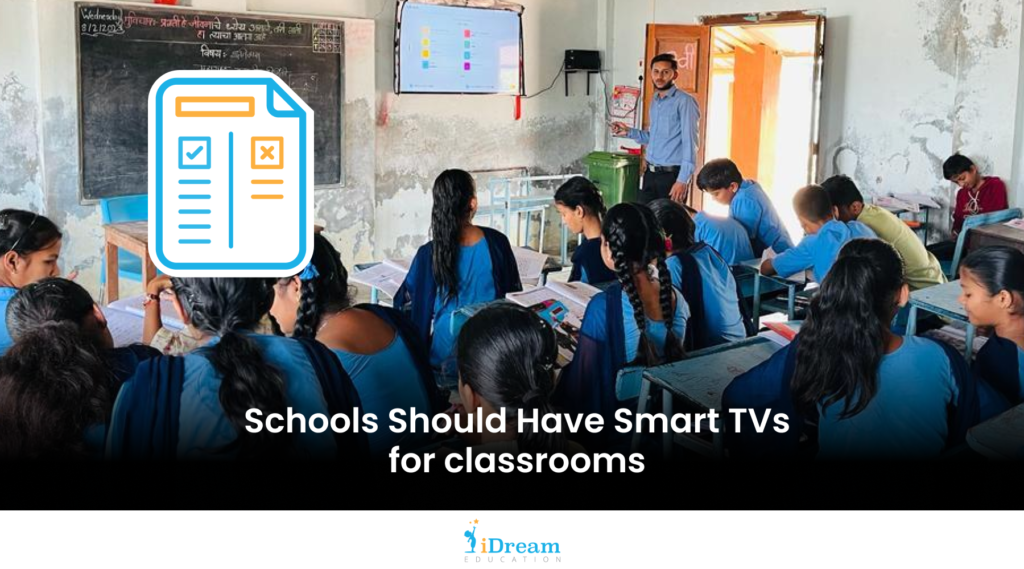
Explore the Benefits and Drawbacks of Using Smart TVs For Classrooms: Is It the Future of Classroom Learning?
Imagine a high school biology class where the students are studying human anatomy. The teacher wants to use visual aids to enhance the learning experience and decides to use a smart TV to display models of the human body. With the smart TV, the teacher can easily navigate through the models, zoom in on specific organs, and explain their functions in detail.
On the other hand, a teacher with textbooks, blackboards, and chalk wants to use visual aids to show models of the human body. Then, she/he will draw a sketch of a human body on board and try to explain by pointing to different body parts with chalk. This is just one of many scenarios that can occur. This creates inequality in classrooms; students may not have access to the same technology and learning opportunities.
In this blog, we will explore the various benefits of incorporating smart TVs in classrooms. We will also discuss possible drawbacks of using Smart TVs in classrooms and ways to overcome these drawbacks: and how teachers can create engaging and effective learning environment using Smart TV’s in classrooms.
What are Smart TVs For Classrooms?
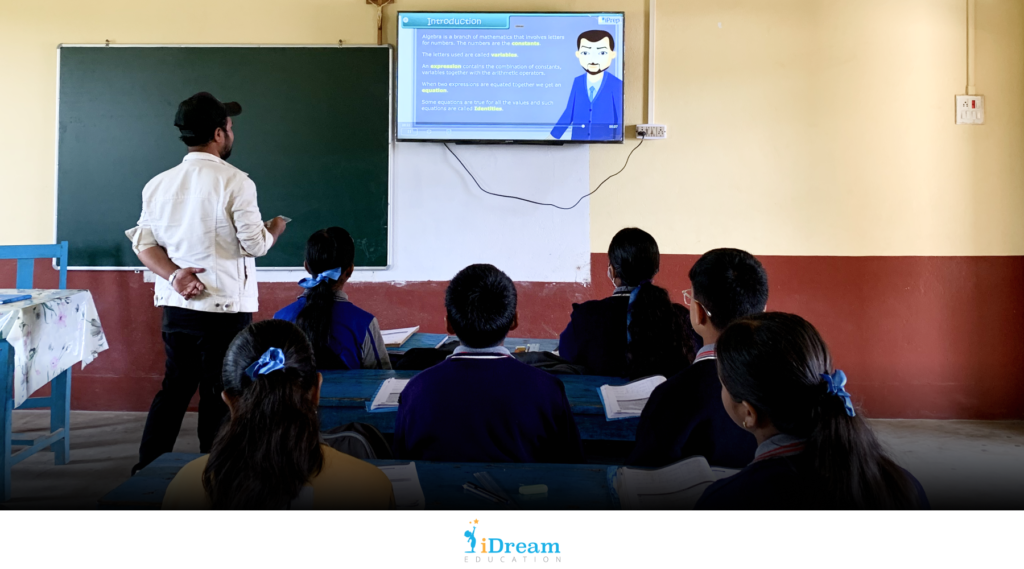
Smart TVs are a type of hardware commonly used for setting up smart classes, as they are easy to set up and manage. These devices integrate internet connectivity, powerful processors, and advanced software to provide a range of multimedia capabilities. Smart TVs are highly interactive and can be used to display educational content, facilitate virtual classes, and enable remote learning. Smart TVs are becoming increasingly popular in the EdTech industry because their compatibility of Smart TVs with learning platforms means that teachers can easily access educational content with the same convenience with which they use TV at their homes.
The Benefits of Smart TVs in Classrooms
Versatility
Smart TVs for classrooms are becoming increasingly popular due to their versatility as digital teaching tool. Smart TVs require little to no training to use and are familiar to most teachers, as their functioning is similar to a regular television with a remote or touch. This aligns with the natural psychology of teachers using TVs in their homes, making it comfortable and accessible to integrate technology into their teaching routine.
Interactive
Smart TVs for Classrooms are a great addition as they offer easy interactive displays and clear instructions for connecting to the internet, restarting, and resetting. With the intuitive interface of learning platforms, teachers can easily interact with content categories at the click of a button or touch, making learning more engaging and interactive. Overall, Smart TVs provide a convenient and efficient way to deliver educational content and improve classroom productivity.
Access a wide range of resources
Smart TVs have changed the way we consume media and access digital resources. With the ability to work as both a TV and a digital classroom, smart TVs provide users with a wide range of resources, from animated videos to digital syllabus books to progress tracking, switch platforms, and more. This makes smart TVs an ideal choice for both entertainment and education.
Easy to Use & Maintain
Smart TVs are a popular choice for classroom technology as they are easy to use and maintain. They are lightweight, making them easy to move around and set up anywhere. Setting up a Smart TV is a hassle-free process that requires just one stand and four screws, and once connected to a power source, it can be used right away. These features make Smart TVs a convenient and accessible option for setting up the digital classroom in the remotest region.
Large display
Smart TVs offer a large display that provides clear and vivid images, which are beneficial for students sitting in the back rows of a classroom or lecture hall. With their high-resolution screens, Smart TVs can help ensure that students can see the content clearly, even from a distance.
Improved student engagement
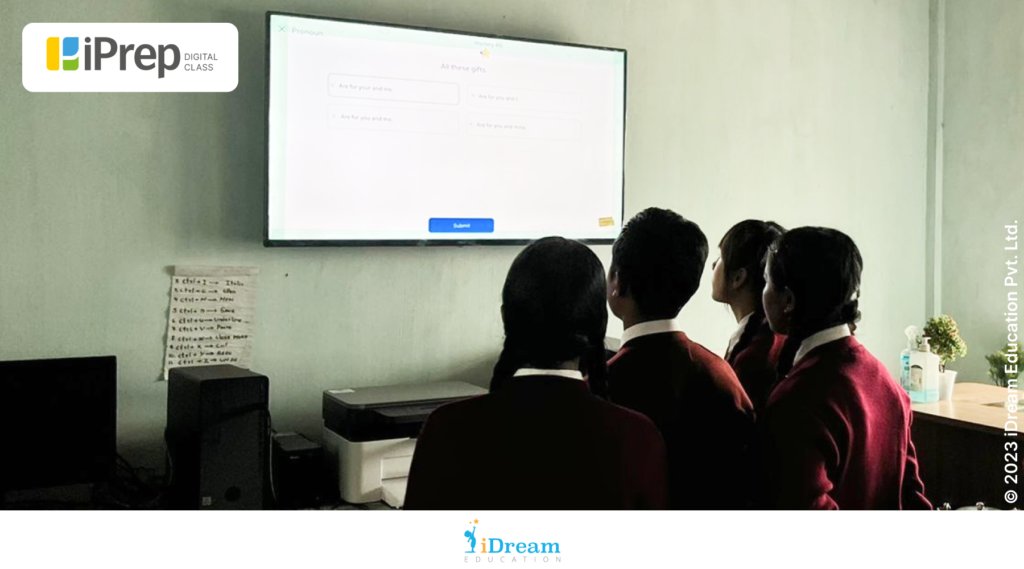
Learning on Smart TVs in classrooms can greatly improve student engagement by allowing them to learn through a variety of engaging visuals, such as animated videos, project videos, digital books, practice exercises, and more.
Increased interaction in the classrooms
Integrating smart TVs in the classroom has the potential to increase teacher-student interaction. With smart TVs, teachers can display interactive content such as video lessons, project videos, books, and more to engage students and foster active participation. Furthermore, real-time feedback on practice enhances classroom communication and creates a more dynamic learning experience. As a result, smart TVs can help bridge the gap between teacher and student, enabling more effective and collaborative learning.
Overcoming Possible Drawbacks of Using Smart TV’s in Classrooms
Internet connectivity
Smart TVs have transformed the way we watch television, but their accessibility depends on a stable internet connection, making them difficult to use in areas with poor connectivity. However, Smart TVs can still be used in classrooms if the learning platform allows users to access offline content. One example of this is the iPrep Digital class solution that uses Smart TVs. Content can be accessed using a pendrive plugged into the smart TV. Such solutions are valuable in regions with no limited internet connectivity.
Lack of technical expertise
While it’s true that Smart TVs can be intimidating to use for those without technical expertise, with intuitive interfaces and offline digital content, they can be easily used in an educational setting. With the simple plug-and-play approach of inserting a pendrive with the desired content, teachers can easily incorporate Smart TVs into their lessons without requiring any specific technical expertise.
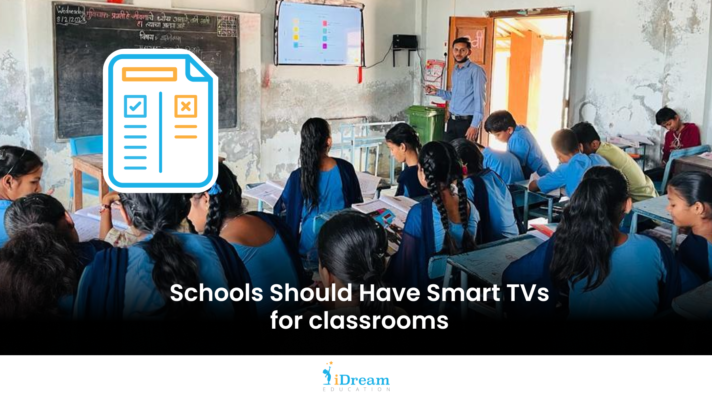
Why should schools have smart TVs for classrooms?
Smart TVs are an affordable and accessible digital teaching solution for classrooms. They also align with the natural psychology of teachers to use TVs in their homes, which eliminates technological resistance among teachers. Additionally, using smart TVs can perfectly engage students in class and make the classroom more interactive.
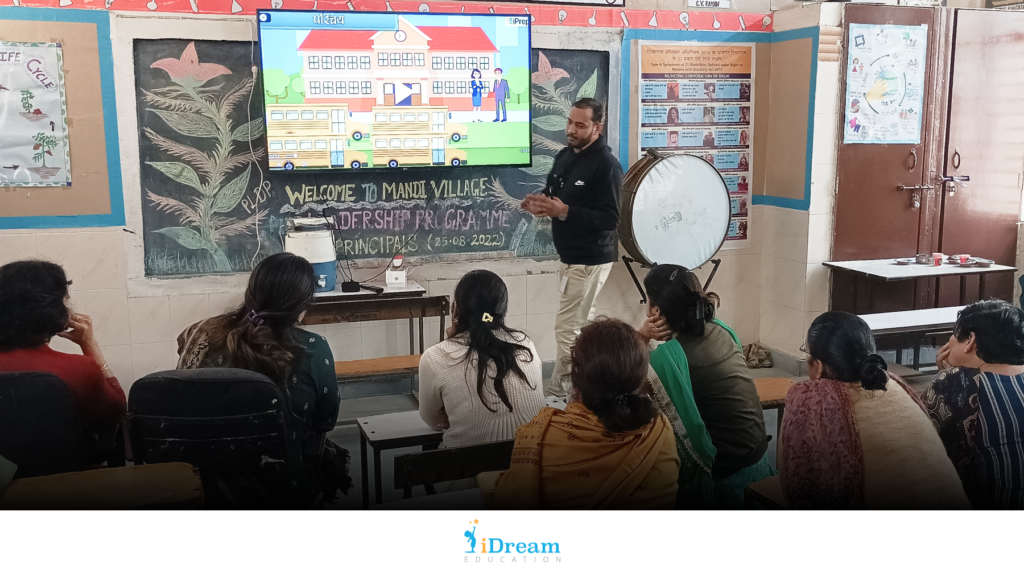
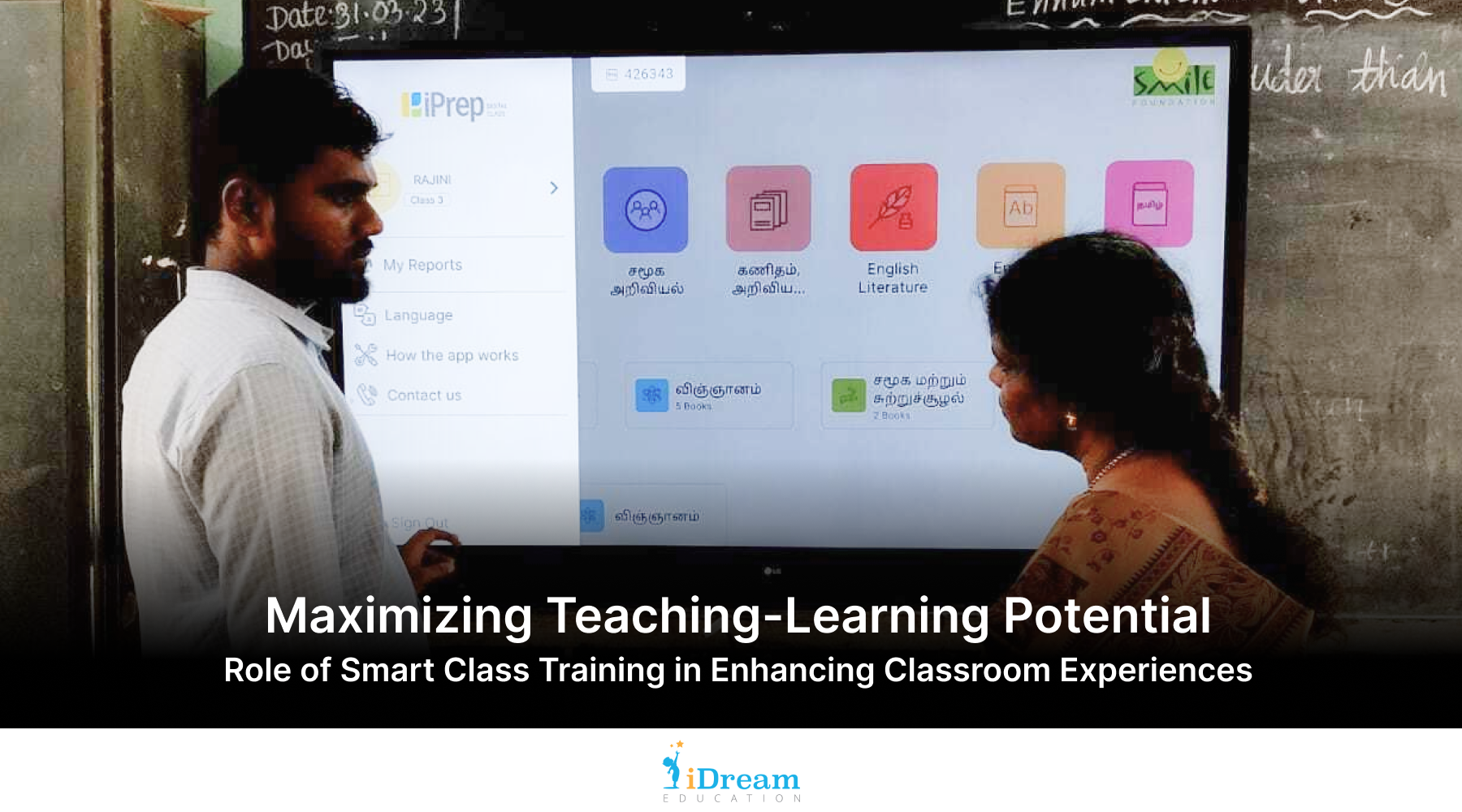
Enhance your classroom teaching with Smart Class and Smart Class Training: Technology meets Teaching!
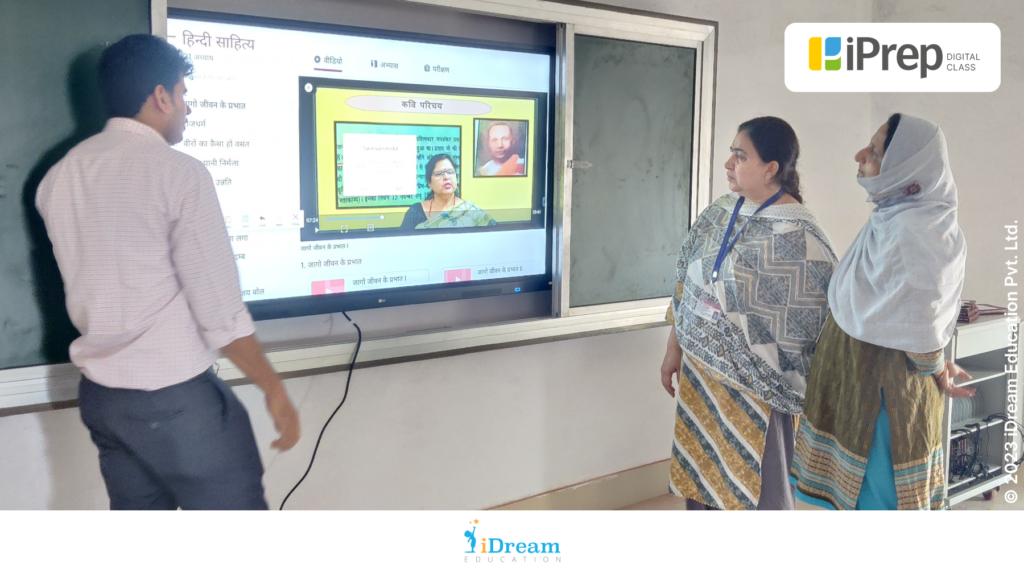
Imagine if you moved to a new city and had to navigate around using public transportation. If you’re not familiar with the transportation system, it might be confusing and challenging at first. You may not know which bus or train to take, which stops to get off at, or how to pay for your fare. However, with time and practice, you can become familiar with the system and navigate it with ease. Similarly, for teachers who have no experience with digital teaching and teaching devices, Smart Class might seem foreign to them. As a result, they perceive it as their replacement and resist using technology in the classroom.
Smart Class is Not a Replacement but The Perfect Complement to Traditional Teaching!
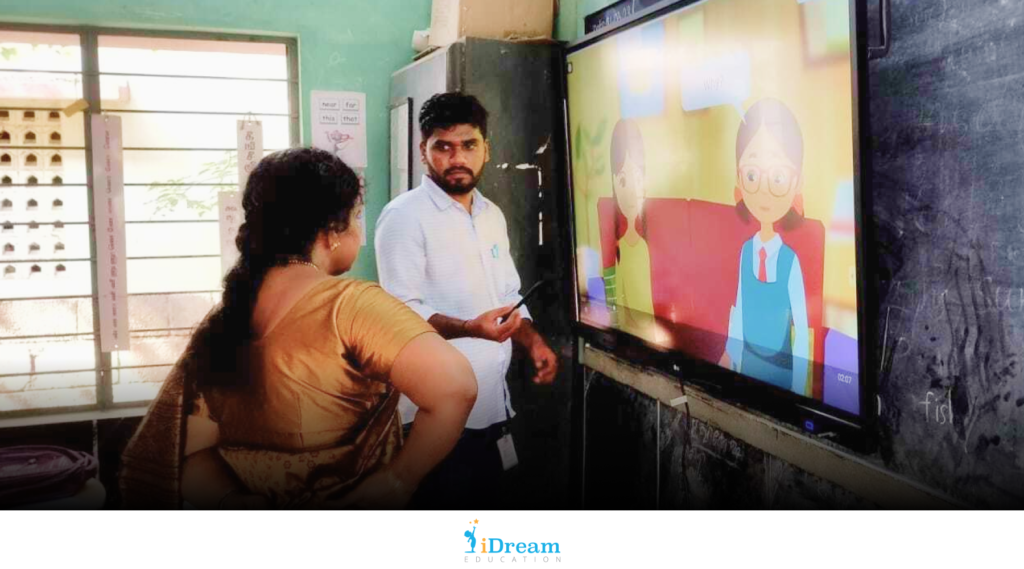
For ages, societies and nations have depended on teachers who are an integral part of the community for their ability to transform lives. But, with the rapid pace of technological advancement and increasing digitalization, it has become essential for teachers to adopt smart teaching methods and integrate the use of classroom technology to enhance the learning experience of their students. This includes the use of interactive and engaging multimedia resources, and using learning platforms that complement their teaching. However, to encourage teachers to incorporate smart class content into their teaching, it’s crucial to provide them with appropriate training so that they are familiar with the technology and its features. This is the only way to encourage them to use it effectively and confidently, leading to a more engaging and effective learning experience for their students.
What is Smart Class Training?
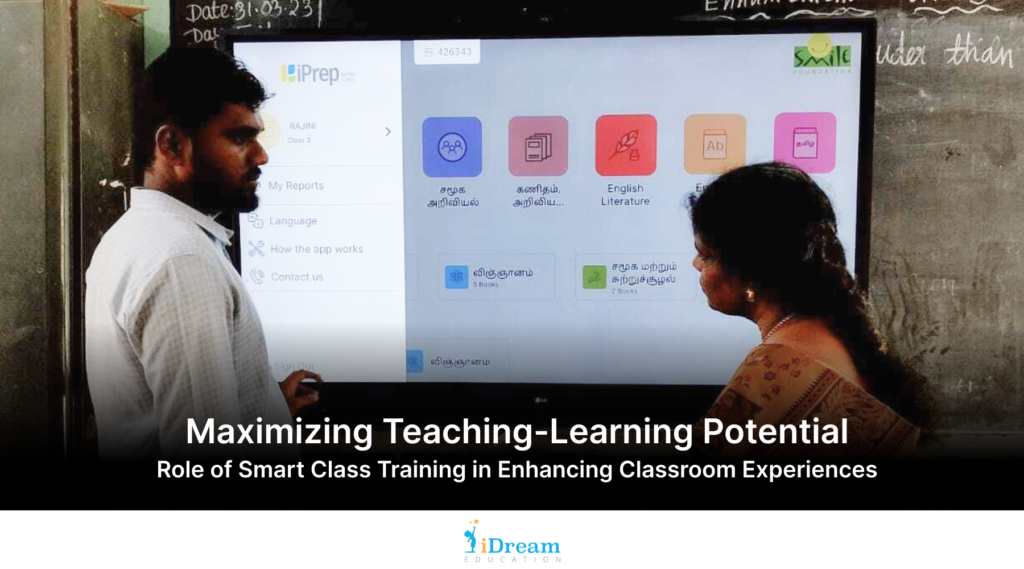
Smart classroom training is an inclusive approach to teaching that drives the use of Edtech and interactive tools to enhance the learning experience and student engagement. It involves integrating and training Learning Management Systems (LMS), software applications, and multimedia resources to create a dynamic and engaging classroom environment.
How Does Smart Class Training Help Teachers?
Smart class training introduces teachers to solutions that can personalize their teaching for students.
With the click of a button, teachers can access a wealth of e-learning content to enhance their lessons and revision.
Through well-structured smart class training, teachers can bring a dynamic and engaging learning environment to their classrooms.
All of this is to drive student engagement, develop conceptual understanding, retain knowledge, and improve learning outcomes.
Why is it important to train teachers to use smart classes?
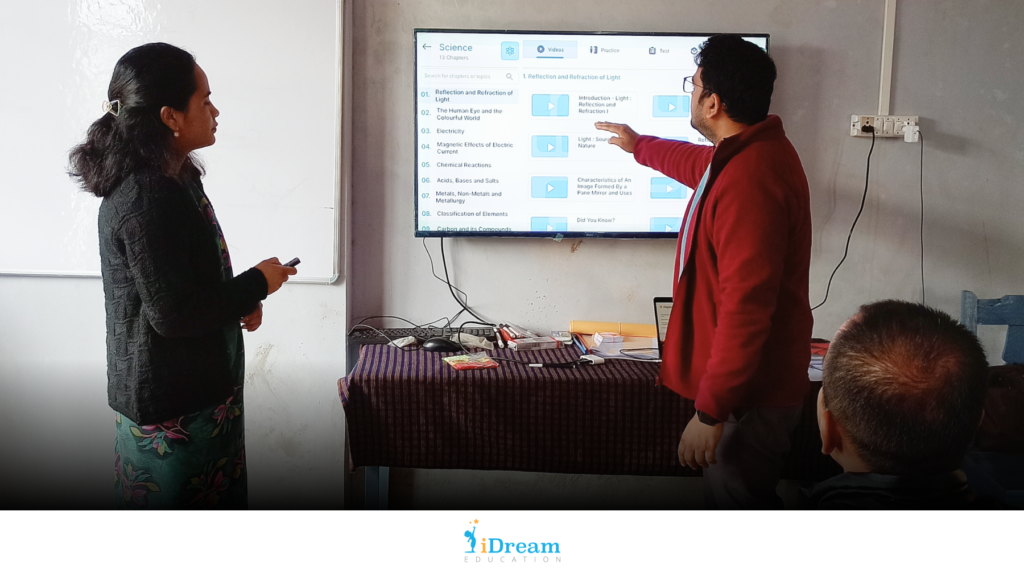
Easy Navigation: Learning platforms on smart classes are designed keeping in mind various teaching-learning needs. One of the most critical teaching-learning needs is access to different types of content. Smart class training enables teachers to easily navigate through the different content categories, allowing them to choose the most relevant content for their lessons and teach through it. Categories include core learning modules, explainer video lessons, practice content, quizzes, books, and more, that teachers often need to navigate for student engagement.
Enable Interactive Classroom Learning: Training of smart classes help teachers effectively use interactive content such as MCQ practice questions, DIY Videos, and more to enhance student engagement and increase their participation.
Easy Revision of Syllabus: At times, teachers may worry about finishing the syllabus within the given timeframe, causing them to overlook student interaction and clear explanations. However, animated video lessons in smart classrooms can help teachers conduct a revision of the syllabus, personalized teaching, and assess student understanding of the subject matter.
Smart Class Training makes teachers well-versed in its usage to provide an effective and engaging learning experience for their students.
What are the specific benefits of smart class training?
Smart class training offers several benefits to both teachers and students. Two of these are:
Increased willingness to use smart class content in the classroom: When teachers are aware of the use of technology in the classroom, they are confident, and they willingly use it to make teaching interactive and engaging for students. Teachers who possess knowledge about incorporating technology in the classroom are more confident and enthusiastic about utilizing it to create interactive and engaging lessons for their students.
Increased teaching efficiency and effectiveness: With a good understanding of smart class, teachers aim to simplify administrative tasks like lesson planning and student progress tracking to focus on providing personalized learning to cater to different student needs and learning styles.
Thus, smart class training can help teachers enhance their classes by providing a more interactive and engaging learning experience for students. With the right smart class training, teachers know that it is to complement their teaching, thus start changing their classrooms into dynamic learning environments that inspire and motivate students to learn, grow and thrive.
In today’s fast-paced world, learning has become a crucial aspect of empowering both students and teachers. However, with the increasing workload and lack of time, it becomes difficult for teachers and students to keep up with their teaching and learning. This is why learning platforms have become essential for educational institutions, especially schools. Enabling a one stop learning platform in schools can provide students with a rich and engaging learning experience to help them make their learning easy, engaging and enjoyable.
But, How to Choose the learning platform for schools?
With a wide range of options available, it can be challenging for governments, NGOs, and CSR companies to choose the best learning platform for schools. This blog will provide a comprehensive guide for choosing the most suitable learning platform for schools. We will talk about the iPrep is designed for universal reach, considering device compatibility, curriculum, user-friendliness, bilingual content, continuous monitoring, and more.
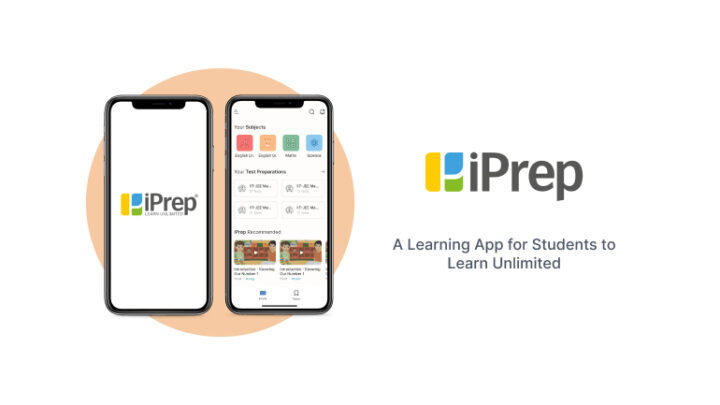
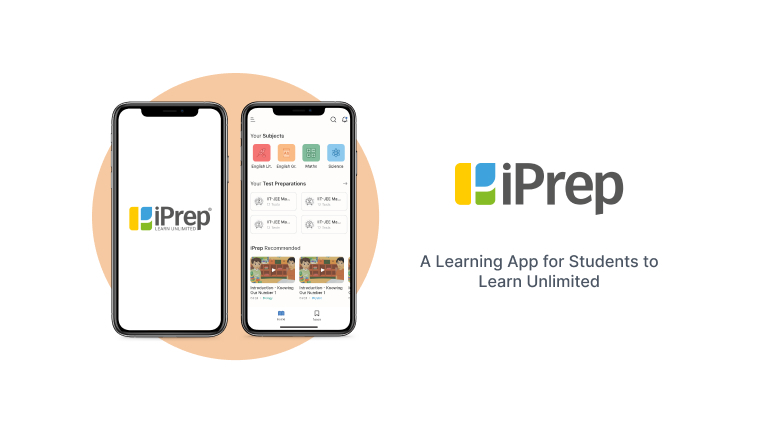
Introducing iPrep: A Learning App for students to Learn Unlimited.
The iPrep is a comprehensive learning solution that offers rich digital content for classes 1st to 12th, all subjects and is bilingual. It works on all hardware devices and includes multi-grade access in a single subscription to facilitate universal access to Learning and Growth.
Key differentiators that set iPrep apart from other learning platforms
Hardware compatibility: iPrep works on all major devices, including mobiles, tablets, smart TVs, touch panels, laptops, and notebooks. This means that students and teachers can access iPrep anytime, anywhere, and on any device they prefer.
Multi-category content: iPrep offers rich digital content for classes 1st to 12th, covering all subjects and skills. iPrep offers animated lessons, practice with instant feedback, practicals, syllabus books, notes, and assessments with exam preparation. This ensures that students get a complete learning experience with everything they need to succeed in their studies. However, topic-wise practice enables interactive learning and teaching environment by providing them with a platform to assess their knowledge.
Bilingual Learning Content: The content is available in English, Hindi and other language medium, making it bilingual so that students and teachers can learn and teach in their preferred language.
Life skills and Value education: Beyond academics, iPrep also offers a rich library of books on personal growth, stories & picture books, inspiring biographies, and interactive lessons for holistic learning and growth. This makes iPrep, a one -stop learning platform for students to develop their overall personality and skills.
Easy Access to the content of all grades: One of the most significant features of the iPrep is unlimited access to the content of all grades in one subscription. This empowers students to cover historical learning gaps and also learn ahead of their grade levels. With the iPrep’s multi-grade access feature, students can learn at their own pace and choose the topics they want to focus on.
Reporting and Analytics: iPrep is integrated with reporting and analytics to ensure ongoing learning outcomes focus on students, teachers, and parents. This means that the learning platform provides regular feedback and progress reports to help students and teachers identify areas that need improvement and track their progress.
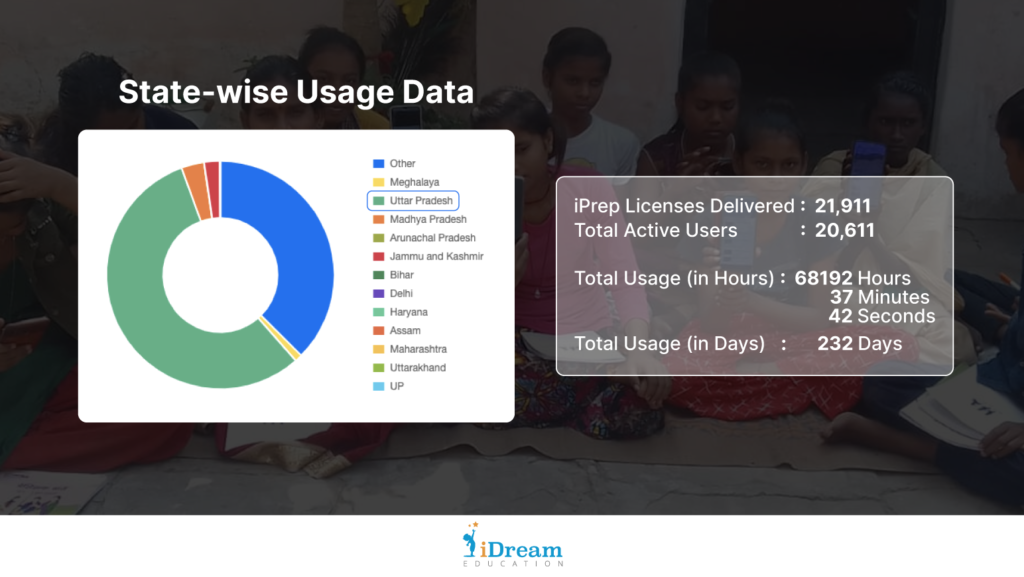
We have enabled more than 20000 subscriptions to the iPrep in Kashmir, Meghalaya, Karnataka, UP and more to empower students to Learn Unlimited. Enabling a learning platform like, iPrep for schools, governments, NGOs, and CSR companies can provide students with a platform for lifelong learning and growth.
If you would like to know about our iPrep and other iPrep Products, comment below or write to us at share@idreameducation.org.
Education is the key to success, but for many girls, getting access to education does become a challenge. This has been seen in Uttar Pradesh as well. According to a report by the National Sample Survey Organisation (NSSO), only 53.4% of girls* in the state complete secondary education. The reasons for this are many, including societal structures & beliefs, and infrastructure. The Government is actively working to improve the situation, and a lot of progress has been made so far.
The Initiative
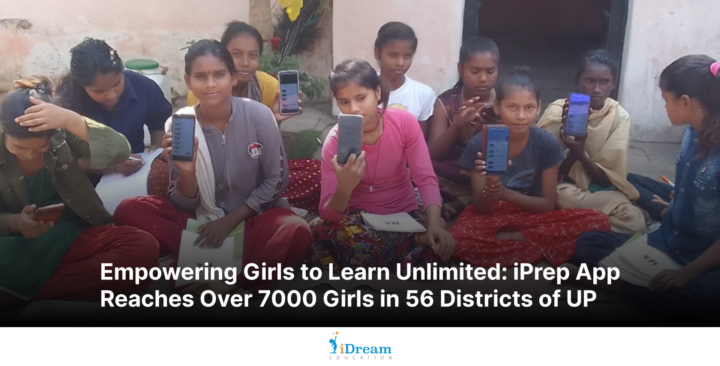
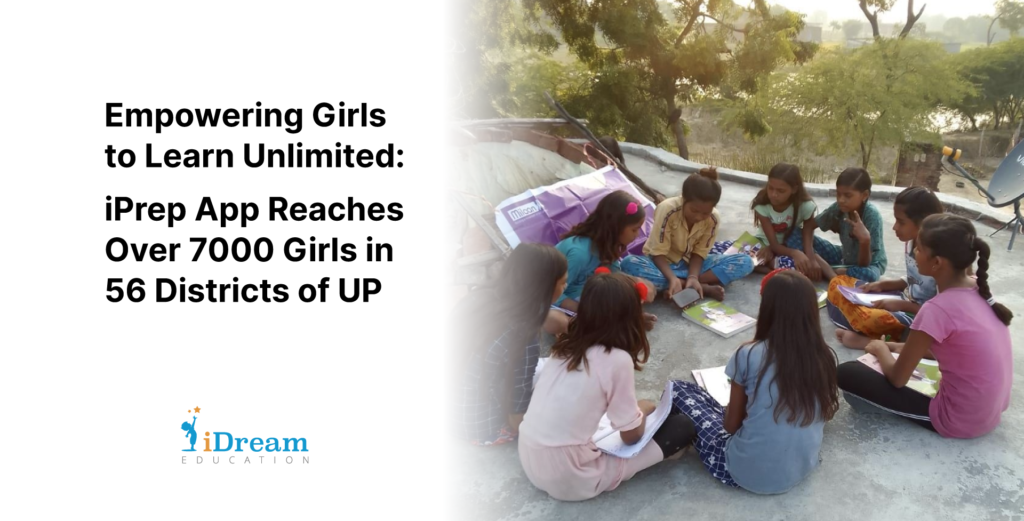
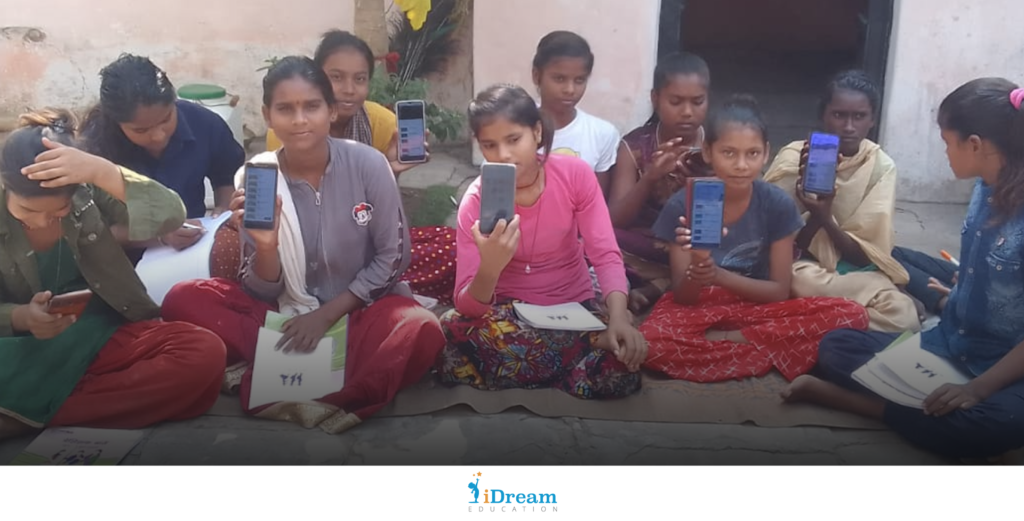
Under the Bharat EdTech Initiative and a project implemented by Milaan Foundation, over 7000 girls across 56 districts of Uttar Pradesh were given access to Digital Education through the iPrep by iDream Education (a K-12 learning App) accessible through Smartphones. It offers rich digital content for classes 1st to 12th, all subjects and skills, is bilingual, works on all hardware devices and includes multi-grade access in a single subscription to facilitate universal access to Learning and Growth. This has allowed these girls to access rich digital content for their classes and all subjects with easy access to the content of all classes to cover up their historical learning gaps and/or prepare for higher grades.
iPrep App provided easily understandable content in various categories, including animated lessons, syllabus books, and interactive multiple-choice question (MCQ) practice with real-time feedback. This comprehensive approach made learning more accessible and enjoyable for girls.
The impact of iPrep on the girls using it has been significant.
Some key observations from the midline assessment are:
Enjoying learning from animated lessons: Girls find animated lessons enjoyable and engaging. They feel that it is not boring because it has an explanation with real-life connections. Further, with the help of animations, girls are able to comprehend complex concepts easily. As a result, they have developed an interest in learning.
The revisionbecame simpler: Another significant benefit of iPrep to girls is that lesson revision has become simpler. If any girl needs help following classroom teaching, they easily revise lessons from iPrep at home by pausing videos, understanding the concepts, and then playing again. This allows girls to learn at their own pace, ensuring that they understand each topic thoroughly before moving on to another topic.
Achieving Mastery: By utilizing iPrep, girls are able to determine what they need to learn through practice and achieving mastery on each topic. With the ability to monitor their progress and identify areas for improvement, the girls are empowered to take charge of their own learning, resulting in increased confidence in the topics learned.
Increasing Engagement: Active Girls on iPrep Exhibit Improvement in Usage
Based on the usage reports, it is evident that active girls on iPrep spend an average of 175 minutes per month using the platform. Furthermore, nearly 80% of girls use iPrep daily.
The impact of iPrep on girls’ education in Uttar Pradesh is an example of how technology can be used to improve access to education. It has enabled thousands of girls to access quality education and has helped bridge the gap between those with access to education and those without it. With continued efforts like this, we can hope to see a brighter future for girls in Uttar Pradesh and beyond.
If you would like to know about our iPrep and our digital learning solutions, comment below or write to us at share@idreameducation.org.